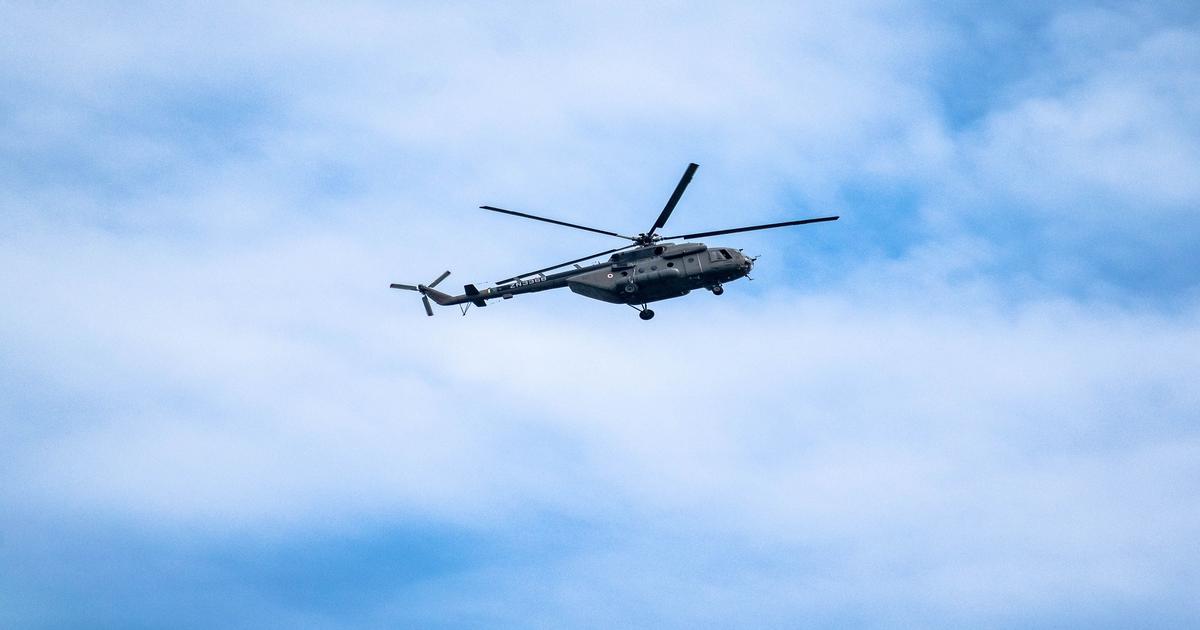
A US Army AH-64 Apache helicopter was shot down by an Iranian drone near the Strait of Hormuz on June 9, 2026, marking the first loss of a Hellfire missile-armed Apache gunship since the US-Iran conflict began on February 28. Both crew members survived, rescued within two hours by an uncrewed US Navy Corsair drone boat operating in the area. President Trump confirmed both service members were safe and described their injuries as non-life-threatening.
The US military launched retaliatory strikes on Iran in response to the downing, according to US Central Command (CENTCOM). The incident occurred on the same day as the car bombing of a Russian military official near Moscow and amid ongoing ceasefire negotiations that would produce the June 17 memorandum of understanding.
What Happened
The Apache was operating near the Strait of Hormuz, the narrow waterway between Iran and the Arabian Peninsula through which approximately 21 percent of global oil trade passes. Iran had been conducting drone operations in the area as part of its broader military posture during the conflict.
According to two US officials cited by NBC News, the helicopter was brought down by an Iranian drone strike. The two crew members ejected or exited the aircraft and were rescued within approximately two hours by a US Navy Corsair unmanned surface vessel, one of the Navy’s autonomous maritime systems operating in the Gulf region.
Both crew members required medical attention but their injuries were described as not serious or life-threatening. President Trump, posting on social media, called the two service members “fine” and confirmed they were safe.
The Apache and Why It Matters
The AH-64 Apache is the US Army’s primary attack helicopter, armed with Hellfire missiles, 30mm cannon, and Hydra rockets. It has been used extensively in every major US military operation since the Gulf War. Losing one to an Iranian drone strike is operationally and symbolically significant: the Apache is a highly capable, heavily defended platform, and its loss demonstrates the effectiveness of Iran’s drone warfare capabilities at close range.
This was the first Apache lost to hostile fire in the US-Iran conflict. Previous US losses in the conflict were primarily fixed-wing aircraft and naval drone systems. The Apache loss triggered the immediate CENTCOM retaliatory strikes.
US Retaliation
CENTCOM announced new US attacks on Iran in response to the helicopter downing. The retaliatory strikes targeted Iranian military infrastructure, consistent with the US approach throughout the conflict of responding to each significant Iranian action with proportionate strikes on military targets. Details of the specific targets hit were not immediately made public.
The exchange occurred eight days before the June 17 memorandum of understanding was signed, demonstrating that active combat continued until very close to the diplomatic agreement. The incident likely contributed to both sides’ urgency to reach the ceasefire extension rather than allowing military escalation to continue.
The Role of Unmanned Systems in the Rescue
The use of a Corsair unmanned surface vessel to rescue the downed crew is notable. The Corsair is a Navy autonomous boat capable of operating without a crew in contested maritime environments where sending a manned vessel would create additional risk. Deploying it for a combat search-and-rescue mission in the Strait of Hormuz area represents a significant operational use of unmanned surface systems.
The successful rescue within two hours reflects the density of US naval assets operating in the Gulf region during the conflict. The US had maintained a significant naval presence, including carrier groups and supporting vessels, throughout the February to June conflict period.
Frequently Asked Questions
Was a US helicopter shot down near the Strait of Hormuz?
Yes. A US Army AH-64 Apache helicopter was shot down by an Iranian drone near the Strait of Hormuz on June 9, 2026. Both crew members survived and were rescued within two hours by a US Navy Corsair unmanned surface vessel. It was the first Apache lost in the US-Iran conflict that began February 28, 2026.
How were the US helicopter crew rescued?
The two crew members were rescued by a US Navy Corsair unmanned surface vessel, an autonomous drone boat operating in the Gulf area. The rescue took approximately two hours. Both crew members required medical attention for non-life-threatening injuries.
Did the US respond to the helicopter shootdown?
Yes. CENTCOM announced new US strikes on Iran in response to the helicopter downing. The retaliatory strikes targeted Iranian military infrastructure, continuing the pattern of proportionate military responses that characterized the conflict throughout its duration before the June 17 ceasefire agreement.

Trust Post Desk
A journalist and editor at TrustPost.org covering world and national news, technology updates and human-interest stories. They check every fact, interview sources in person or online, and aim to deliver clear, accurate reporting. Their work ranges from breaking news to in-depth features and daily newsletters. Outside the newsroom, they follow emerging trends and engage with readers on social media.