For the first time in World Cup history, FIFA has made hydration breaks mandatory in every single match at the 2026 tournament. The rule applies to all 104 games regardless of temperature, stadium design, or weather conditions.
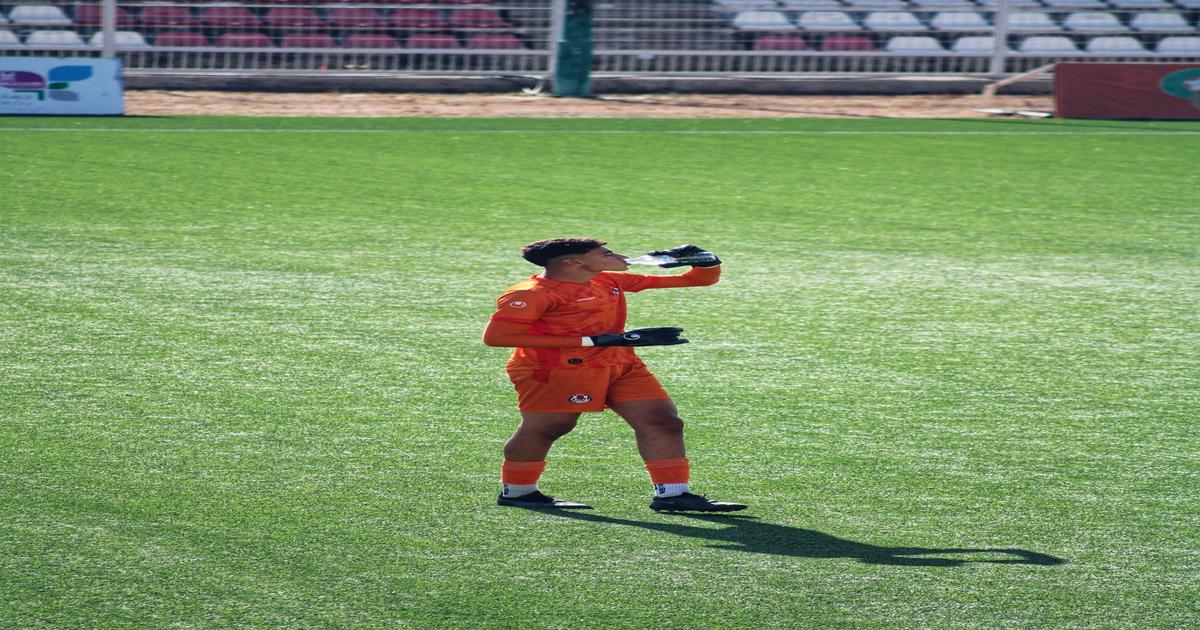
A referee’s whistle stops play at the 22-minute mark of each half. Players get three minutes to drink and coaches get a rare opportunity to gather their squads and adjust tactics. A second whistle ends the break and restarts play.
Why Is This Year Different?
Previous tournaments allowed hydration breaks at the referee’s discretion or only when temperatures exceeded a specific threshold. Referees used a wet bulb globe temperature metric to decide.
FIFA changed the rule for 2026 to create equal conditions across all 104 matches. The tournament spans the United States, Canada, and Mexico, with venues ranging from air-conditioned domes to outdoor stadiums in extreme summer heat.
The 2025 FIFA Club World Cup, also held in the United States, gave FIFA a preview of what players would face. Temperatures in many cities soared into the 90s Fahrenheit, and some matches saw heat indexes above 100 degrees.
The Safety Argument
FIFA said the mandatory breaks ensure that players in cooler indoor stadiums and players in sweltering outdoor heat are treated equally. The governing body also cited the importance of not letting match officials be put in the position of making heat-related calls.
Dehydration during intense athletic performance in heat can cause cramping, heat exhaustion, and in severe cases, heatstroke. The summer heat in cities like Dallas, Kansas City, and Los Angeles can be intense.
TrustPost previously covered the broader heat risk facing World Cup 2026 players in outdoor venues, including humidity concerns in certain cities.
The Controversy
Not everyone supports the rule. Critics argue the mandatory breaks disrupt the flow of play and give coaches a tactical advantage that is not normally available during a match.
Some scientists have also challenged whether three minutes is actually enough time for meaningful rehydration or body cooling. Research suggests that effective cooling requires more time than a standard hydration break allows.
Coaches, however, have embraced the breaks. Several managers admitted that they planned to use the pauses to make halftime-style adjustments midway through each half. This has drawn criticism from those who feel it changes the nature of the game.
How Coaches Are Using the Breaks
The three-minute window is long enough for coaches to gather players, show tactical boards, and make formation adjustments. Several World Cup coaches confirmed they prepared specific instructions for both the 22nd-minute and the second-half break.
Players, by contrast, must focus on quick rehydration. The three minutes leaves little time for both drinking and listening to extended tactical instructions. Players and coaching staffs have developed efficient routines to maximize the brief window.
The breaks have also become a moment for broadcasters to run commercials, a detail some critics noted was not incidental to FIFA’s decision-making process.
Comparison to Other Sports
Other major sports routinely include scheduled stoppages that allow for hydration and coaching. Basketball’s timeouts, American football’s between-plays structure, and tennis’s changeovers all serve similar dual purposes.
Soccer has historically prided itself on continuous play and minimal stoppages. The hydration breaks represent a significant cultural shift for a sport that rarely pauses for any reason other than injury or video review.
Frequently Asked Questions
When do hydration breaks happen in the 2026 World Cup?
Hydration breaks occur at approximately the 22-minute mark of each half. The referee blows the whistle, play stops for three minutes, then a second whistle restarts the match. All 104 games in the tournament will have these breaks.
Why did FIFA make hydration breaks mandatory?
FIFA made the breaks mandatory to ensure equal conditions across all 104 matches, regardless of temperature or stadium type. The rule draws on lessons from the 2025 FIFA Club World Cup, where extreme summer heat in American cities was a recurring issue.
Are players actually getting cooler during the breaks?
Scientists are divided. Some argue three minutes is not enough for meaningful cooling or full rehydration. Others say any rehydration is beneficial. The consensus is that the breaks help more than they hurt, even if they do not fully solve the heat problem.
Related Articles
- World Cup 2026 Heat Danger: Which Matches Face the Highest Risk
- World Cup 2026 Week 1 Recap: Messi Hat Trick, Kane Brace, Haaland Goals
- England 4-2 Croatia World Cup 2026: Kane, Bellingham, Rashford Stars
Sources: ESPN – FIFA Hydration Breaks Explained | NPR – What Hydration Breaks Do | FIFA.com – 2026 World Cup Rules

Trust Post Desk
A journalist and editor at TrustPost.org covering world and national news, technology updates and human-interest stories. They check every fact, interview sources in person or online, and aim to deliver clear, accurate reporting. Their work ranges from breaking news to in-depth features and daily newsletters. Outside the newsroom, they follow emerging trends and engage with readers on social media.