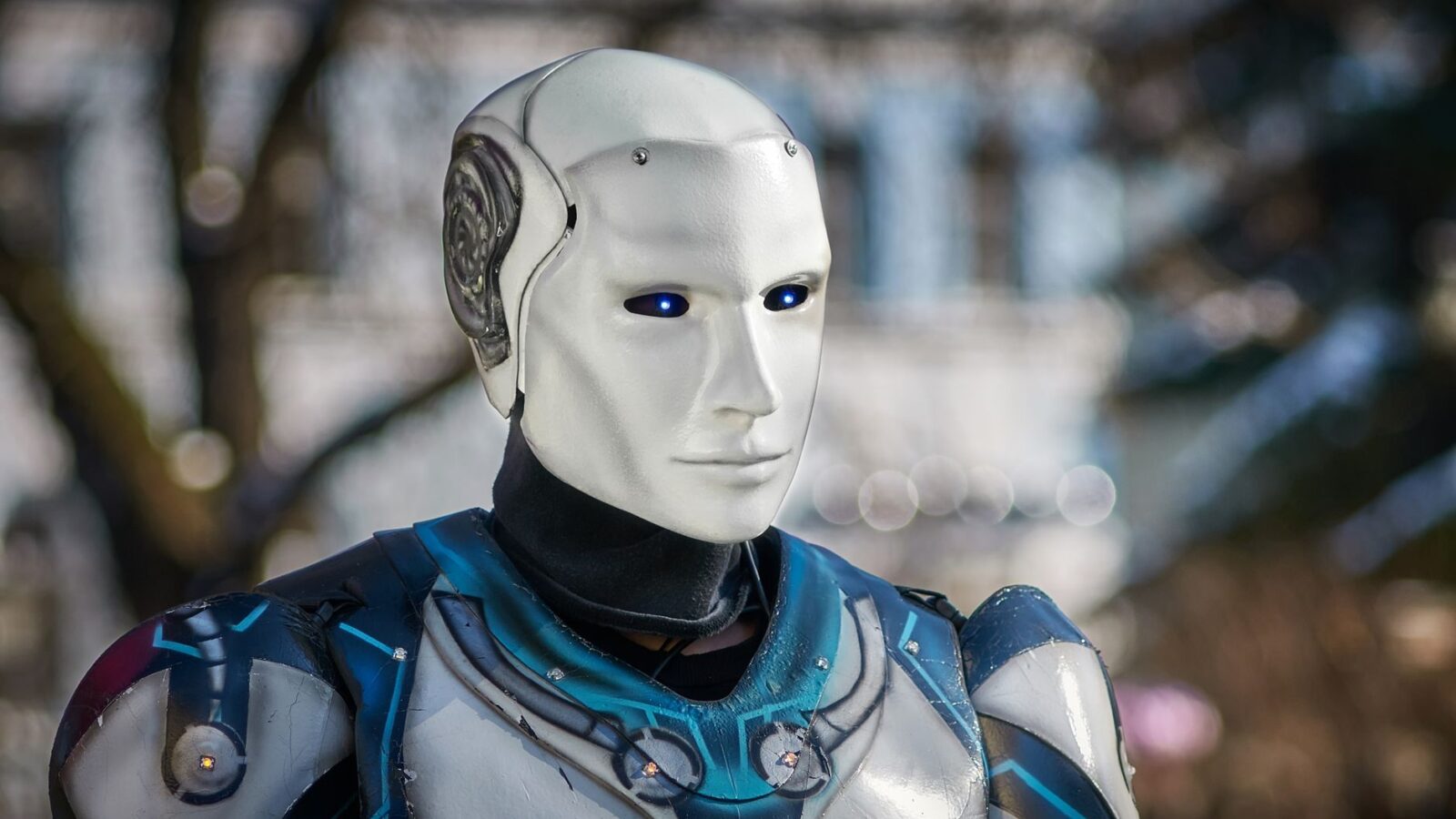
BYD confirmed in June 2026 that it is developing humanoid robots as a core business track, challenging Tesla and Hyundai in the emerging robot market.
Executive Vice President Stella Li announced BYD is advancing independent research and development of humanoid robots in full force alongside its EV operations.
BYD’s Humanoid Robot Plans Confirmed
BYD’s initial robot deployment will focus on its global 4S dealership network, where robots will handle sales guidance and customer reception duties.
BYD had already deployed industrial robots in production environments in 2025 and showcased a prototype at the Brussels Motor Show in January 2026.
Per CarnewsChina’s coverage, BYD’s long-term vision takes humanoid robots beyond factories and into homes for cleaning, cooking, and daily companionship tasks.
How BYD’s EV Technology Powers Its Robots
BYD is applying its high-density battery expertise directly to humanoid robots, giving its designs a potential endurance advantage over competitors.
Proximity sensors and AI systems originally developed for its electric vehicles translate naturally into the navigation and perception needs of walking robots.
As CnEVPost’s report noted, BYD’s vertical integration across batteries, chips, and software gives it a cost structure advantage that pure robotics companies lack.
BYD vs Tesla, Hyundai, and Boston Dynamics
Tesla’s Optimus robot has been in factory trials since 2025, giving Tesla a head start in manufacturing deployment that BYD must now overcome.
Hyundai’s Boston Dynamics unit is commercializing Atlas for industrial use, while BYD is targeting the consumer and dealership segments first.
BYD’s key advantage is its existing dealer network of thousands of 4S service centers globally, giving it an immediate distribution channel for robots.
Where BYD Plans to Deploy Its Humanoid Robots
Phase one is dealer network deployment in 2026, with robots greeting customers, walking them through vehicles, and answering specification questions live.
Phase two targets manufacturing lines, where BYD plans to deploy its humanoid robots for assembly tasks currently requiring skilled human labor.
Phase three is the home market, where BYD’s full-scenario intelligent service ecosystem vision puts a personal robot in every connected home.
What the Humanoid Robot Race Means for Manufacturing
BYD entering the humanoid robot market signals the industry is crossing the threshold from research projects to commercial-scale business plans.
The robotics acceleration is tracked in our AI agents replacing jobs coverage, where physical labor displacement is now accelerating faster than policy.
Per Humanoid Guide’s analysis, humanoid robots are expected to reach sub-$50,000 price points by 2028, at which point BYD’s manufacturing scale becomes a decisive edge.
Investment and Market Outlook for Humanoid Robots
The global humanoid robot market is projected to reach $38 billion by 2035, driven by labor shortages in manufacturing, logistics, and elder care sectors.
BYD’s entry validates the market and will attract further capital investment, accelerating competition between Chinese, South Korean, and American robotics firms.
This sector’s growth compounds existing economic pressures described in our US inflation May 2026 coverage, where automation and tariffs reshape labor costs together.

Trust Post Desk
A journalist and editor at TrustPost.org covering world and national news, technology updates and human-interest stories. They check every fact, interview sources in person or online, and aim to deliver clear, accurate reporting. Their work ranges from breaking news to in-depth features and daily newsletters. Outside the newsroom, they follow emerging trends and engage with readers on social media.