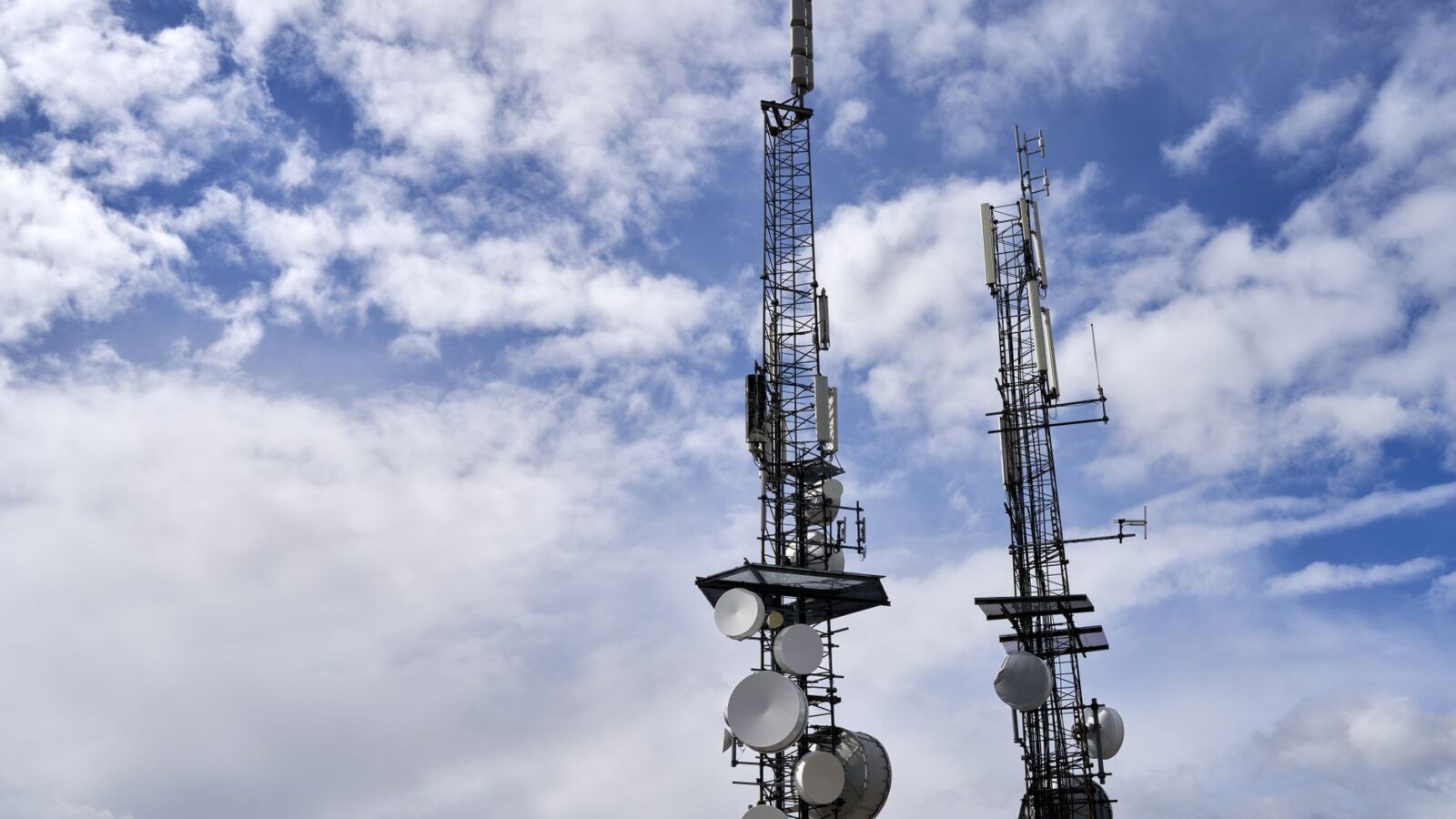
6G technology represents the next generation of wireless networks, promising speeds above one terabit per second with AI built into the network architecture.
While 5G is still rolling out globally, researchers and governments are already defining standards and timelines that will shape 6G deployment.
What 6G Technology Actually Is
6G is not just faster 5G but a redesigned network architecture that treats AI as a native component rather than a layer on top.
Key technical features expected in 6G include sub-terahertz spectrum, integrated sensing, ultra-low latency below one millisecond, and AI-managed radio resource allocation.
Per Ericsson’s 6G overview, 6G is designed for applications that do not yet exist: real-time holographic communication, swarm robotics, and digital twins.
When 6G Technology Will Arrive
Commercial 6G networks are expected to begin rolling out around 2030, with initial coverage concentrated in enterprise campuses, industrial zones, and dense urban areas.
India targets 6G commercial availability by 2029 to 2030, positioning itself ahead of the typical 10-year mobile generation cycle.
Per IDTechEx 6G market report, early 6G deployment will be localized enterprise networks, not the nationwide consumer coverage seen with 4G and 5G.
Why 5G Failed to Meet Its Promise
The mobile industry is roughly halfway through the 5G rollout in 2026, but widespread disappointment exists: the promised game-changing applications never arrived for consumers.
5G’s biggest benefits, including ultra-reliable low-latency communication for industrial automation, remained largely confined to pilot projects and private enterprise networks.
Per The Register’s 6G analysis, mobile operators want standards bodies to avoid 5G’s mistakes by defining clear monetizable use cases before 6G deployment.
The Spectrum Challenge for 6G
6G networks will need up to three times the spectrum currently allocated for 5G, requiring coordination across government regulators in every major market.
Sub-terahertz frequencies have very short range and struggle to penetrate walls, requiring many more 6G base stations per square kilometer than 5G.
The combination of spectrum scarcity and infrastructure cost means 6G will likely launch as premium enterprise connectivity first, not a universal consumer replacement for 5G.
AI and 6G: A Native Partnership
Unlike previous mobile generations, 6G standards are being written with AI as a built-in network function rather than an application layer add-on.
AI will manage radio resources, predict interference, route data dynamically, and adapt network behavior to usage patterns without human operator intervention.
AI-native 6G design connects to trends covered in our NVIDIA Cosmos 3 launch report, where physical AI is reshaping both network and chip design.
Who Is Leading 6G Development
Ericsson, Nokia, Samsung, and Huawei are the primary equipment vendors investing in 6G research, each filing thousands of 6G-related patents since 2022.
The US, EU, Japan, South Korea, and China are each funding national 6G programs, adding a geopolitical dimension to a technical standardization process.
Fragmentation risk is real: if the US and China develop incompatible 6G standards, the global roaming that defined 4G and 5G could break down.
What to Expect Before 6G Arrives
Before 2030, the biggest wireless improvements will come from 5G Advanced, the 3GPP Release 18 and 19 upgrades to existing 5G infrastructure.
5G Advanced adds features like AI radio management, improved energy efficiency, and better support for fixed wireless access that could address some 5G disappointments.
Businesses should not wait for 6G: today’s ROI comes from 5G private networks and AI agents, as our agentic AI systems report shows.

Trust Post Desk
A journalist and editor at TrustPost.org covering world and national news, technology updates and human-interest stories. They check every fact, interview sources in person or online, and aim to deliver clear, accurate reporting. Their work ranges from breaking news to in-depth features and daily newsletters. Outside the newsroom, they follow emerging trends and engage with readers on social media.