Sleepmaxxing is the 2026 sleep optimization trend where people maximize every detail of rest for total wellness.
The term combines sleep with optimization and describes a growing cultural obsession with getting the best sleep possible.
What Is Sleepmaxxing and Why the Sleep Trend Is Growing
Sleepmaxxing refers to the deliberate optimization of sleep using gadgets, supplements, routines, and data from wearables.
Followers track metrics like heart rate variability, deep sleep stages, and sleep onset latency every single night.
The trend gained momentum on TikTok and YouTube, where influencers share detailed evening routines and sleep stacks.
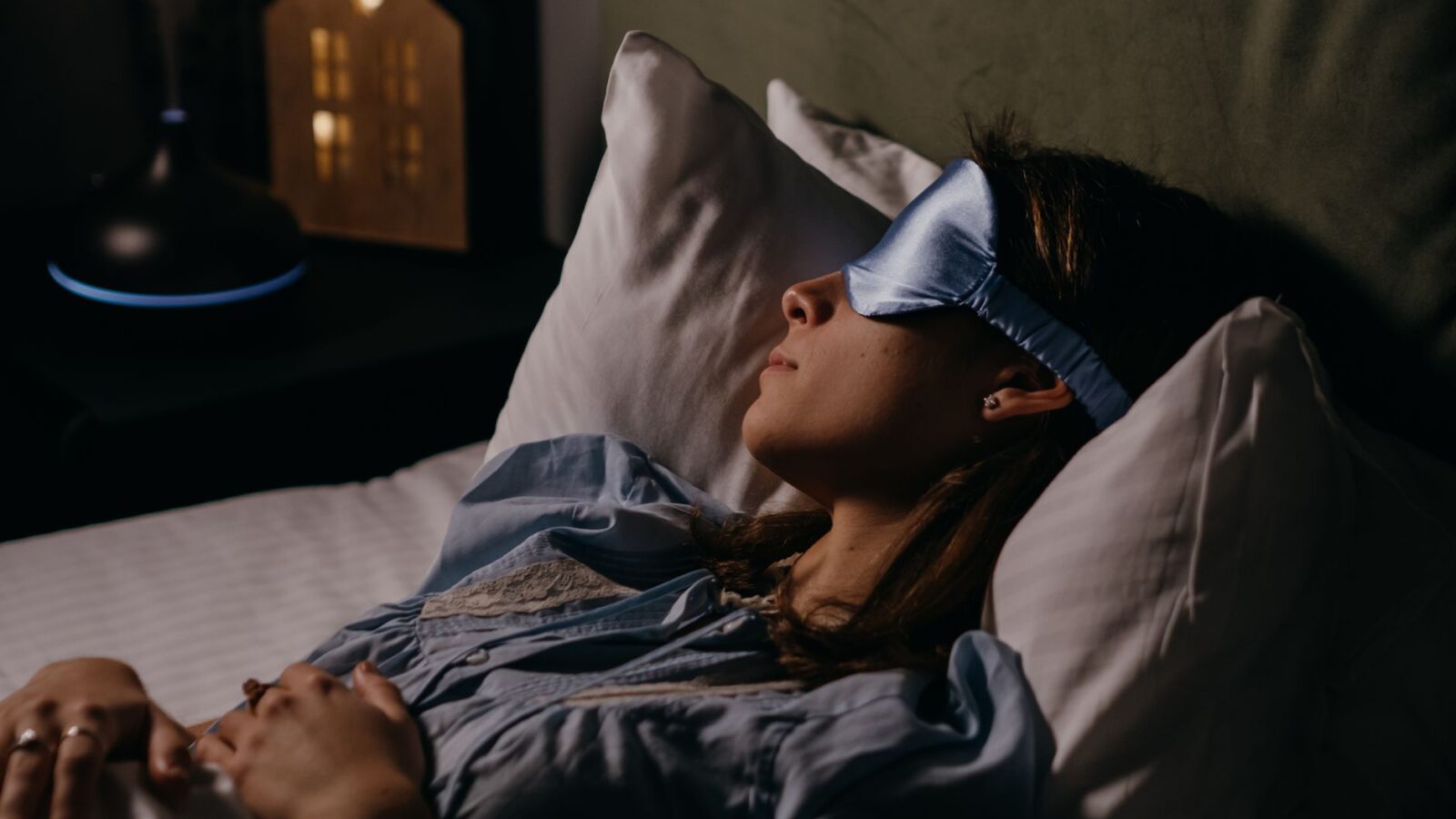
Common sleepmaxxing tools include smart rings, sleep masks, white noise machines, magnesium supplements, and mouth tape.
The Global Wellness Institute covered the rise of sleep optimization at Global Wellness Institute sleep trends 2026 with detailed 2026 trend data.
Key Sleepmaxxing Techniques and Sleep Optimization Tools
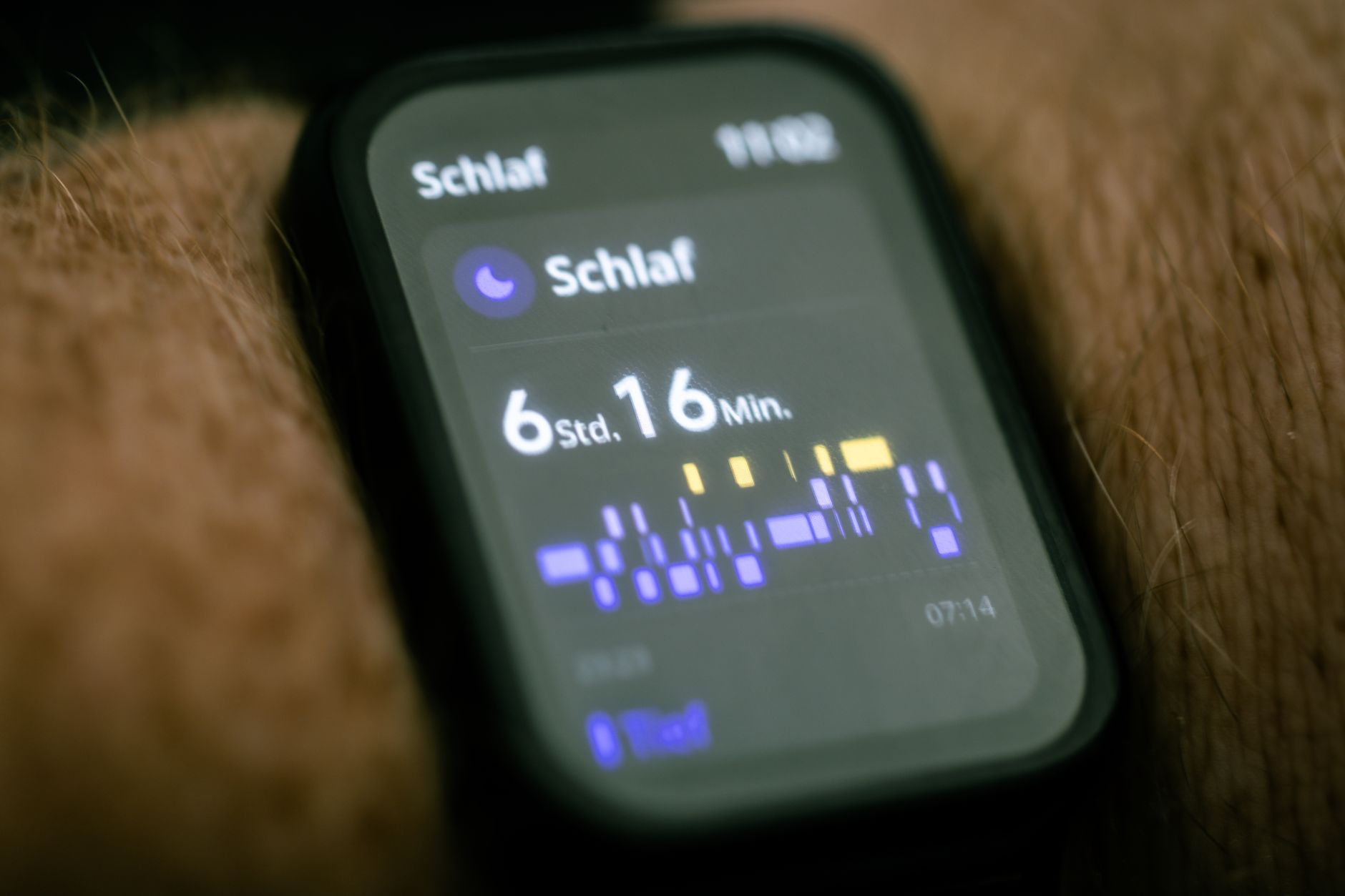
Sleep trackers like Oura Ring, WHOOP, and Fitbit give users nightly scores on sleep quality and recovery.
Many sleepmaxxers adjust their bedtime, room temperature, and light exposure based on these tracked data points.
AI models trained on sleep study data can now predict cardiovascular disease risk by analyzing sleep physiology signals.
Supplements like magnesium glycinate, glycine, and ashwagandha are popular additions to sleepmaxxing routines in 2026.
Cooling mattress pads, blackout curtains, and air purifiers are also common tools for an optimized sleep environment.
Many sleepmaxxers also experiment with sleep restriction therapy to improve sleep quality over the long term.
Timing meals to align with circadian rhythms, known as time-restricted eating, is another popular optimization approach.
The Counter-Trend: Slow Sleep vs Sleep Optimization
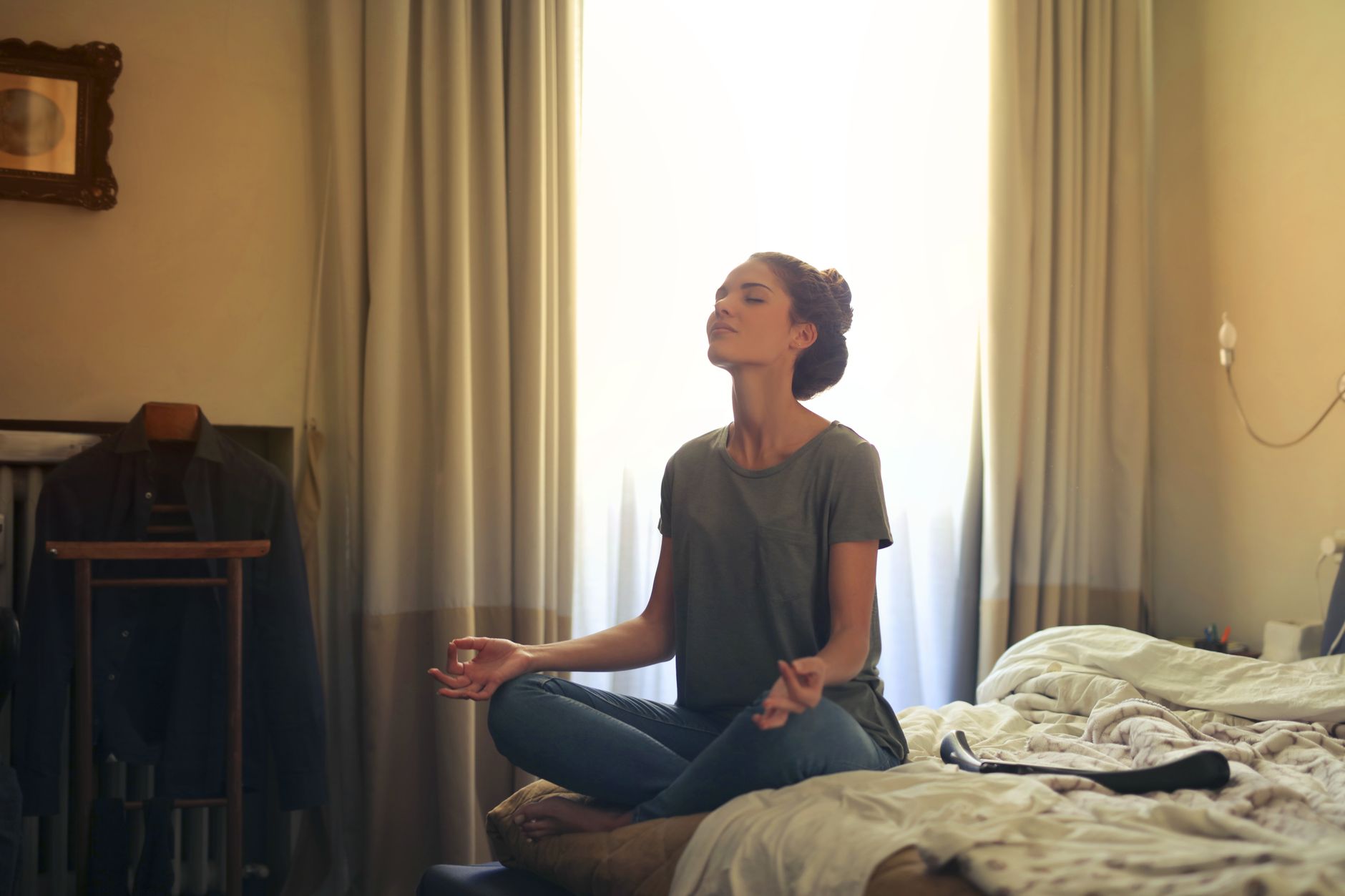
Not everyone embraces sleepmaxxing. A growing counter-trend called Slow Sleep pushes back against the data-driven approach.
Slow Sleep advocates prioritize simple, screen-free evenings with dimmed lights, herbal tea, and consistent schedules.
Experts warn that excessive focus on sleep data can cause orthosomnia, an anxiety disorder tied to sleep metrics.
Orthosomnia causes people to worry so much about their sleep scores that the anxiety itself disrupts their rest.
The Slow Sleep movement is detailed at Mattress Miracle on the Slow Sleep movement as a wellness alternative for those stressed by optimization culture.
What Science Says About Sleep Optimization and Wellness

Research confirms that adults need between 7 and 9 hours of quality sleep per night for optimal health outcomes.
Deep sleep stages are critical for memory consolidation, immune function, hormone regulation, and physical repair.
Wearables are generally accurate at detecting sleep stages but less reliable for precise clinical measurements.
Scientists say lifestyle changes such as consistent wake times and reduced evening screen use matter more than gadgets.
For those building sleep and wellness routines, see our guide on AI prompts for sleep and wellness routines for AI-assisted planning ideas.
Our post on how AI tools support health and wellness goals also covers AI tools that help you stick to health goals and routines.
Related Articles
Best AI Prompts for Productivity and Daily Wellness

Trust Post Desk
A journalist and editor at TrustPost.org covering world and national news, technology updates and human-interest stories. They check every fact, interview sources in person or online, and aim to deliver clear, accurate reporting. Their work ranges from breaking news to in-depth features and daily newsletters. Outside the newsroom, they follow emerging trends and engage with readers on social media.