Nervous system regulation has emerged as the defining wellness trend of 2026, reshaping how people manage daily stress.
The trend centers on practices that calm or stimulate the autonomic nervous system to improve health and resilience.
What Nervous System Regulation Means as a Wellness Trend
The autonomic nervous system controls the fight-or-flight response and the rest-and-digest mode of the human body.
Nervous system regulation means intentionally shifting between these two modes using specific practices and routines.
Popular regulation tools include breathwork, cold plunge therapy, vagus nerve stimulation, and somatic movement.
The trend reflects a shift from surface-level self-care to targeting the biological roots of stress and anxiety.
The Global Wellness Institute at Global Wellness Institute research portal tracks nervous system regulation as a key category in its 2026 research.
Top Nervous System Regulation Practices in 2026
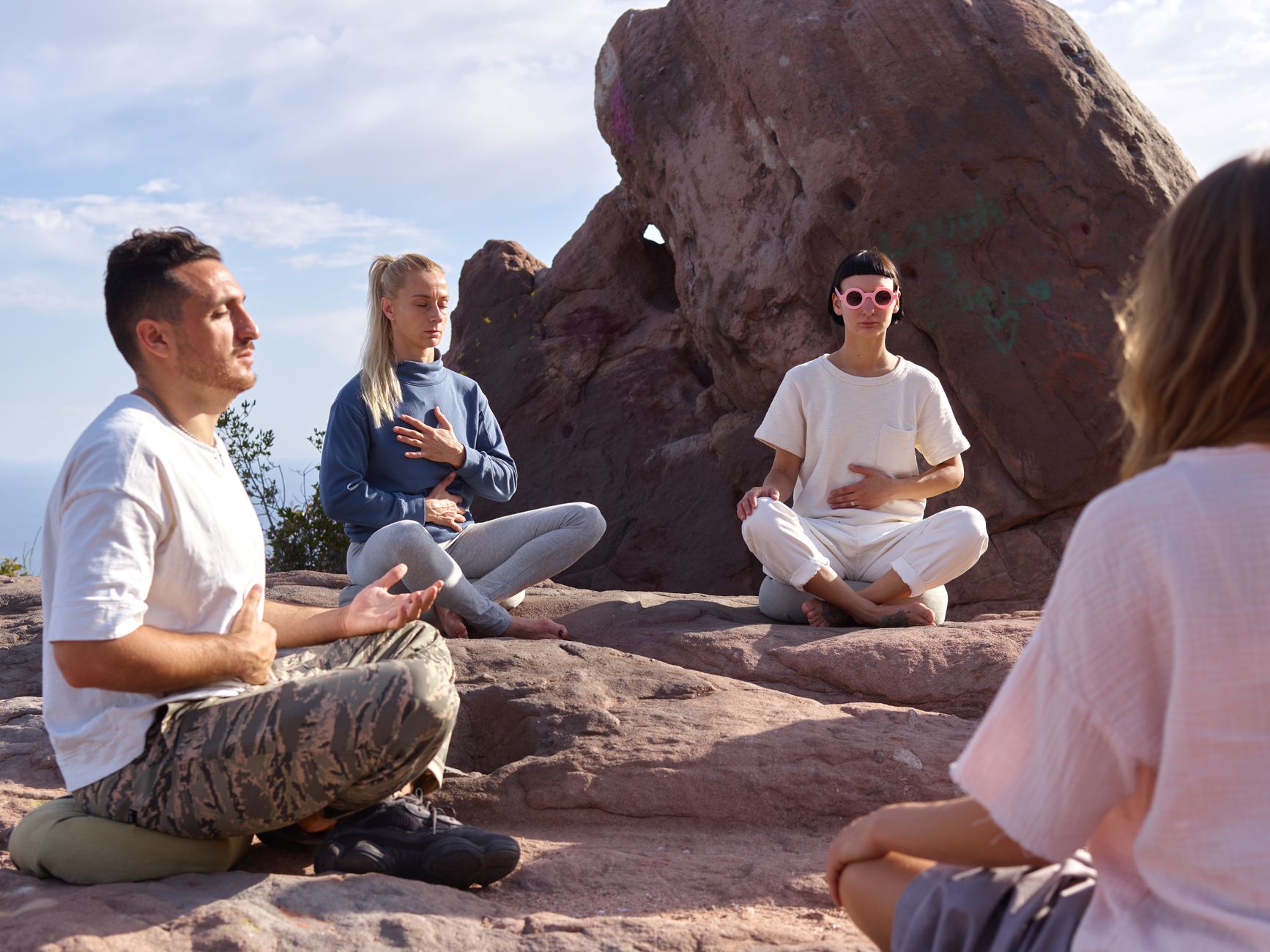
Box breathing and extended exhale techniques are among the most popular tools for calming the nervous system quickly.
Cold exposure through ice baths and cold showers activates the vagus nerve and builds stress tolerance over time.
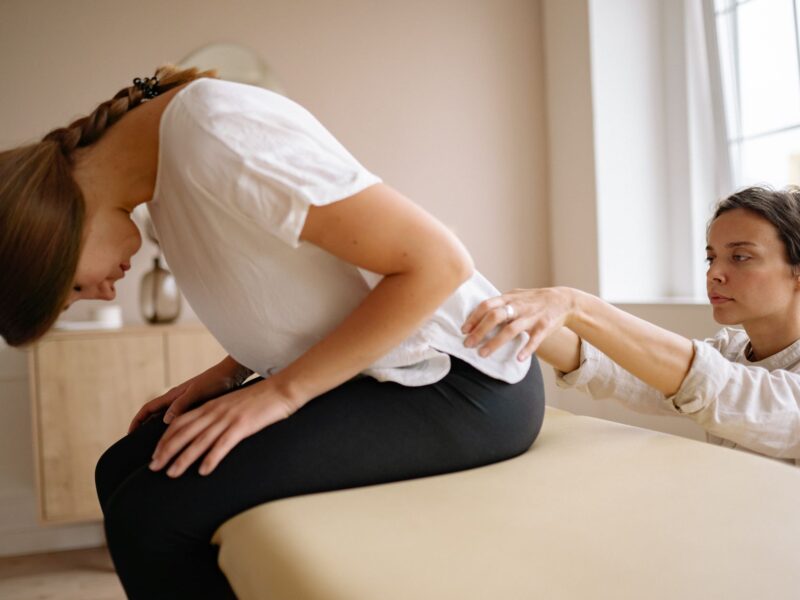
Somatic therapy, which focuses on body-based movement, is increasingly used alongside talk therapy for trauma recovery.
Weighted blankets and grounding practices such as walking barefoot are also used to down-regulate a stressed system.
Wearables like WHOOP, Garmin, and Oura Ring track heart rate variability as a marker of nervous system state.
Why Nervous System Wellness Is Trending Now in 2026
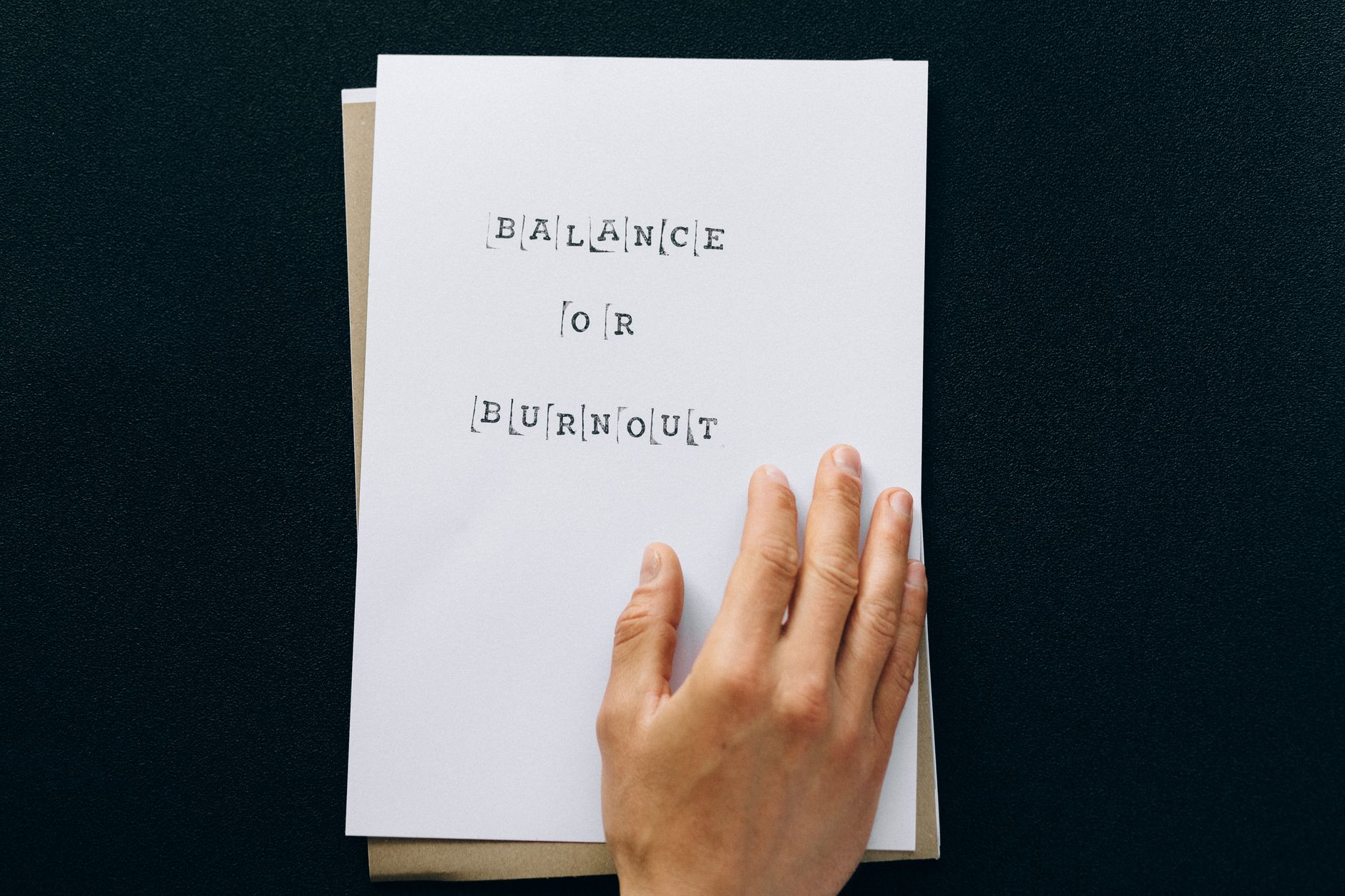
Post-pandemic burnout and climate anxiety have driven more people to seek tools that address the root of stress.
Rising mental health diagnoses and long wait times for therapy have pushed interest in self-regulation techniques.
Social media has amplified the trend, with breathwork and cold therapy content drawing millions of views weekly.
Scientists note that chronic nervous system dysregulation is linked to inflammation, poor sleep, and metabolic disease.
Dr. Axe outlines the top 2026 wellness trends, including nervous system regulation, at Dr. Axe wellness trends 2026 guide.
How AI and Tech Support Nervous System Wellness
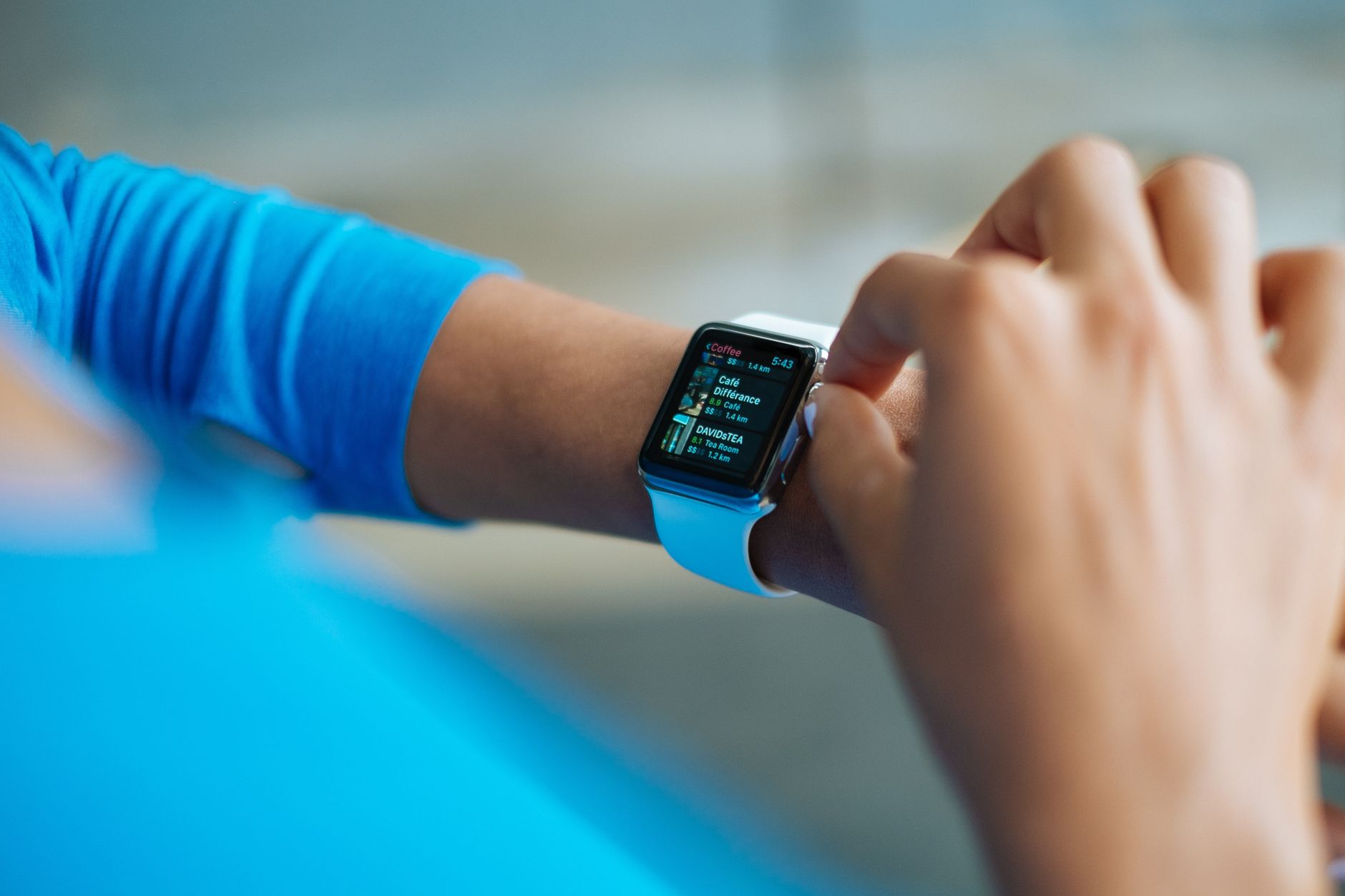
AI-guided breathing apps now personalize breathwork sessions based on real-time heart rate and HRV data.
Wearable devices give users feedback on when their system is in a stressed state and suggest regulation exercises.
Some apps use AI to detect stress patterns over weeks and recommend lifestyle adjustments for better balance.
The trend is moving toward personalized nervous system health plans built from continuous biometric monitoring data.
Some therapists now combine nervous system regulation exercises with cognitive behavioral therapy for faster results.
Employers are also adopting nervous system wellness programs to reduce burnout and improve productivity at work.
Group breathwork classes, previously niche, are now offered at major gyms and wellness centers across the country.
For help building wellness routines with AI, see our guide on AI tools for building daily wellness routines for practical daily planning prompts.
Our post on using AI to support mental wellness and clarity also covers how AI writing tools can support mental clarity and self-reflection practices.
Related Articles
Best AI Prompts for Wellness and Productivity

Trust Post Desk
A journalist and editor at TrustPost.org covering world and national news, technology updates and human-interest stories. They check every fact, interview sources in person or online, and aim to deliver clear, accurate reporting. Their work ranges from breaking news to in-depth features and daily newsletters. Outside the newsroom, they follow emerging trends and engage with readers on social media.