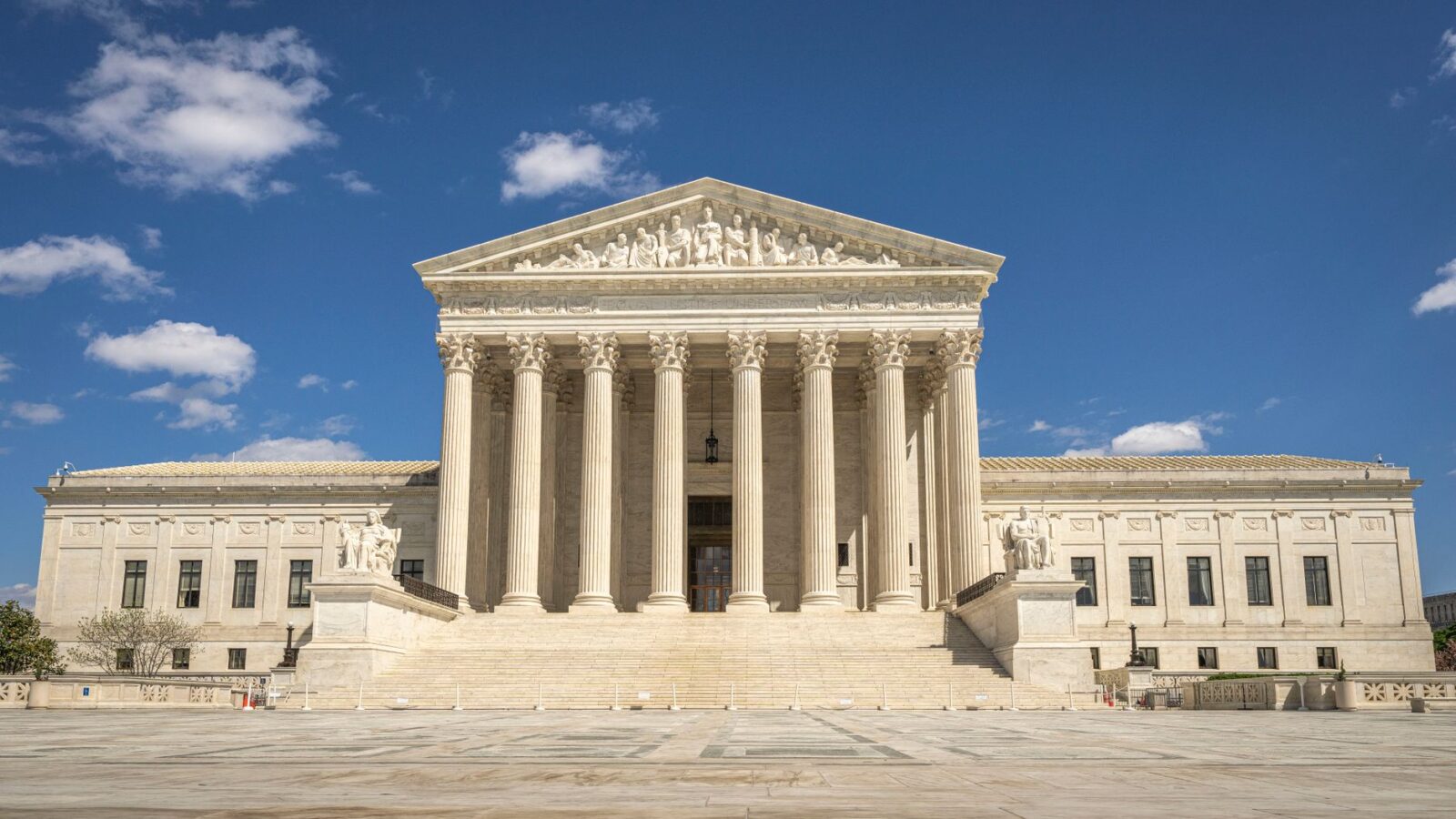
The Supreme Court issued a major copyright ruling, tossing a $1 billion verdict against internet provider Cox in its battle with Sony.
The unanimous decision in Cox v. Sony is a significant win for broadband providers facing pressure to police their users.
The Supreme Court Ruling Explained
The justices ruled that internet service providers are not automatically liable for copyright infringement committed by their subscribers.
The decision overturns a $1 billion jury verdict that record companies had won against Cox Communications.
It was a unanimous ruling, signaling broad agreement among the justices on the core legal question.
The outcome removes one of the largest copyright damages awards ever levied against a broadband company.
Legal experts called it a landmark moment for how online infringement claims will proceed going forward.
As Fox Business report on the ruling reports, the outcome reshapes how copyright owners can pursue piracy claims online.
Inside the Cox v. Sony Copyright Case

Sony and other record companies had argued that Cox failed to cut off users who repeatedly pirated music.
They claimed the provider should be held responsible for not terminating accounts flagged for infringement.
Cox countered that policing every subscriber would force it to disconnect households over unproven accusations.
The case centered on how far providers must go to stop illegal downloads on their networks.
A lower court had sided with the labels, producing the enormous billion-dollar damages figure.
That verdict alarmed the broadband industry, which feared similar suits from other copyright holders.
What the Court Decided

The Court found that simply providing internet access does not make a company liable for user piracy.
Providers must show more direct involvement before they can be held responsible for copyright infringement.
The ruling removes the threat of massive damages that had loomed over the broadband industry.
It draws a clearer line between offering a service and actively encouraging illegal activity.
The justices emphasized that liability requires more than knowing infringement might occur on a network.
The CBS News Supreme Court tracker notes the term also includes pending cases on free speech and tech regulation.
Why the Ruling Matters
The decision protects internet providers from being turned into copyright enforcers against their own customers.
Critics worry it could make it harder for artists and labels to fight large-scale online piracy.
Supporters say it preserves open internet access without forcing mass disconnections based on accusations.
The case could influence how courts treat platform liability in future technology disputes.
The ruling lands amid wider scrutiny of technology and the law, as seen in major tech security cases.
Legal and business shifts increasingly move together, a pattern visible in how tech deals reshape the industry too.
The ruling is likely to be cited for years in disputes over online platform responsibility.
Record labels may now push Congress for new laws rather than relying on the courts.
Broadband providers, meanwhile, can breathe easier knowing the billion-dollar threat has been lifted.
How regulators respond will shape the balance between copyright protection and open internet access.
Related Articles
Tata Electronics Cyber Attack Exposed Apple and Tesla Trade Secrets
Qualcomm Acquires AI Startup Modular in $3.9 Billion Deal
OpenAI and Broadcom Unveil Jalapeno, Their First Custom AI Chip

Trust Post Desk
A journalist and editor at TrustPost.org covering world and national news, technology updates and human-interest stories. They check every fact, interview sources in person or online, and aim to deliver clear, accurate reporting. Their work ranges from breaking news to in-depth features and daily newsletters. Outside the newsroom, they follow emerging trends and engage with readers on social media.