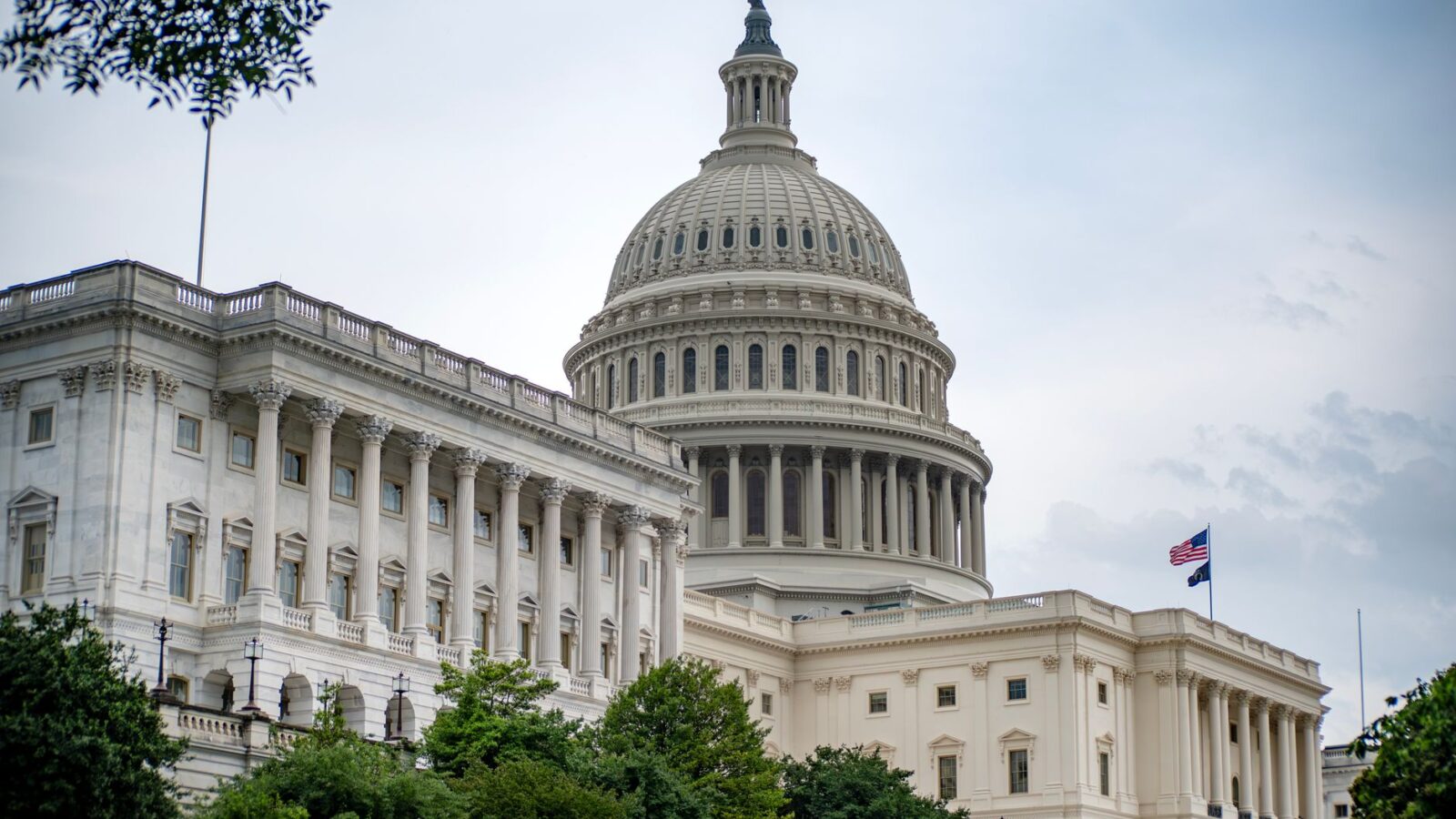
The US Senate passed a war powers resolution rebuking President Trump over Iran, then reversed course just one day later.
The dramatic back-and-forth highlighted deep divisions in Congress over the president’s authority to wage war.
It also revealed how quickly political pressure can reshape even a historic congressional vote.
The episode unfolded as sensitive US-Iran negotiations continued in the background this week.
Few votes in recent memory have swung so sharply in such a short span of time.
The Senate Passes the Iran War Powers Resolution

On June 23, the Senate voted 50 to 48 to limit President Trump’s ability to resume war with Iran.
Four Republicans joined Democrats to pass the measure in a rare rebuke of the president.
The crossover senators were Rand Paul, Susan Collins, Lisa Murkowski, and Bill Cassidy.
Democratic Senator John Fetterman broke ranks and voted against the resolution.
It marked the first time a war powers resolution had successfully passed both chambers of Congress.
As CNN report on the vote reported, the vote set up a potential clash with the White House.
Why the Resolution Was Largely Symbolic

Despite the historic vote, the resolution was always expected to be largely symbolic in practice.
It was not expected to become law, since the president can veto such measures.
The House had earlier passed its own version directing Trump to end hostilities with Iran.
Supporters argued the vote still sent a powerful message about congressional war powers.
Critics dismissed it as a gesture that would not change the administration’s actual policy.
The Washington Post coverage detailed how the measure aimed to curb the president’s military authority.
The Senate Walks Back Its Rebuke of Trump
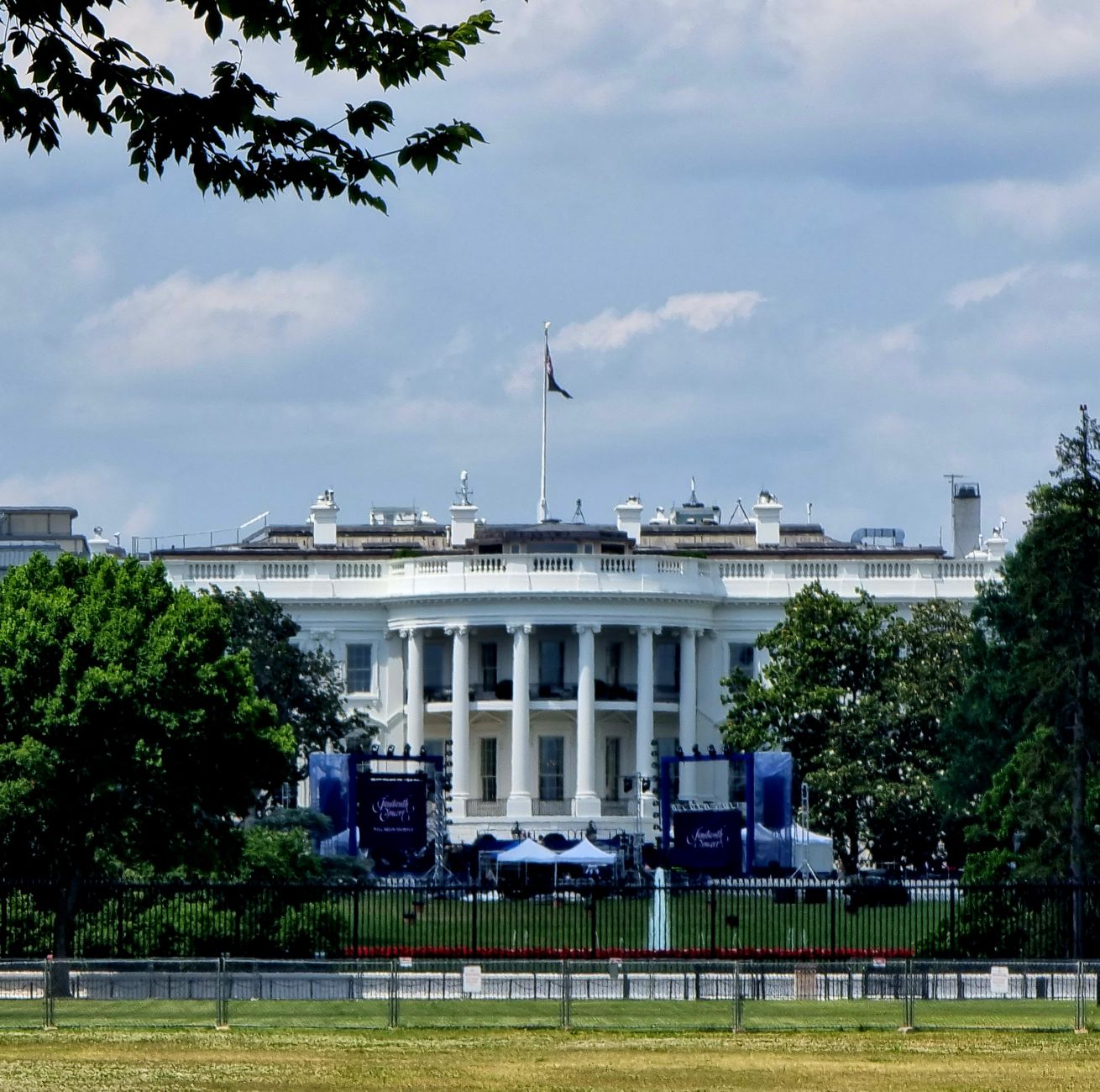
Just one day later, the Senate reversed itself, rejecting an attempt to advance a similar measure.
Two Republicans who had backed the first resolution changed their positions on the second vote.
Senator Rand Paul voted present, while Senator Bill Cassidy voted against advancing the resolution.
The reversal handed the Trump administration a key procedural win on Iran policy.
Trump dismissed the earlier Senate rebuke as meaningless, lashing out at the vote publicly.
According to Time report on the reversal, the swift turnaround reflected intense political pressure behind the scenes.
What the Iran War Powers Fight Means

The episode underscored ongoing tension between Congress and the White House over war powers.
It came as delicate US-Iran negotiations continued, raising the stakes of every move.
Lawmakers remain divided over how much authority a president should have to launch military action.
The reversal suggests the administration retains firm control over its Iran strategy for now.
The debate over war powers is likely to resurface as the Iran situation evolves.
Follow more of our world news coverage for related international developments shaping global security today.
The Iran standoff competes for attention with other major global headlines across world headlines this week.
How Lawmakers Reacted to the Reversal

The Senate’s rapid reversal drew sharp reactions from lawmakers on both sides of the aisle.
Democrats accused Republicans of caving to pressure from the president within a single day.
Some Republicans defended the change, arguing the resolution risked tying the president’s hands.
Senators who switched their votes faced immediate questions about their reasoning.
The back-and-forth left many observers confused about where the Senate actually stood.
Anti-war advocates expressed frustration that the historic first vote was so quickly undone.
The episode highlighted how fragile congressional rebukes of executive power can be.
The Bigger Picture on US Iran Policy

The war powers fight unfolded against the backdrop of delicate US-Iran negotiations.
Both sides have signalled interest in talks, even as tensions remain high in the region.
The United Nations nuclear agency has said inspections of Iranian sites will eventually happen.
Its chief described the precise timing of those inspections as not essential for now.
NATO leaders have publicly backed the administration’s broader strategy on Iran.
How the diplomacy plays out will shape whether the war powers debate resurfaces.
For now, the president retains broad control over the direction of US Iran policy.
Related Articles
Ukraine Launches TrophyLab to Share Captured Russian Weapons Data
Venezuela Earthquake 2026: Twin Quakes Devastate Caracas Region
Supreme Court Tosses $1 Billion Copyright Ruling in Cox v. Sony

Trust Post Desk
A journalist and editor at TrustPost.org covering world and national news, technology updates and human-interest stories. They check every fact, interview sources in person or online, and aim to deliver clear, accurate reporting. Their work ranges from breaking news to in-depth features and daily newsletters. Outside the newsroom, they follow emerging trends and engage with readers on social media.