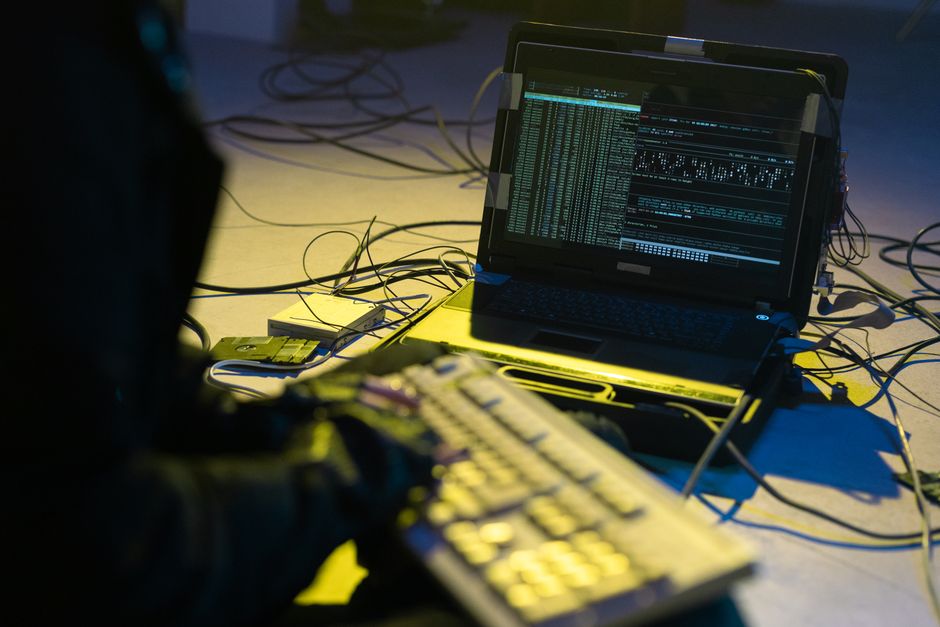
A group of Russian hackers was behind the cyberattack that crippled Jaguar Land Rover in late August 2025, according to a New York Times report published June 26, 2026. The breach forced the British automaker to lock down its networks and halt production for five weeks, delivering a $2.5 billion blow to the wider UK economy and ranking as the most expensive cyberattack in British history.
The scale of the damage has reignited concern over how a single intrusion can ripple across an entire national economy, and how exposed even the most advanced manufacturers remain. For background on the rising threat landscape, see our coverage of emerging AI-driven cybersecurity threats.
How Phishing Took Down a Carmaker for Five Weeks
Despite the sophistication of the overall operation, TechCrunch reports the attackers relied on social engineering, including phishing emails and phone calls, to gain their initial foothold. Once inside, they moved through JLR systems until the company was forced to shut everything down to contain the spread.
The five-week production halt stopped vehicles from rolling off assembly lines and rippled outward to suppliers and dealers. It is a stark reminder that even well-resourced manufacturers can be undone by a convincing email rather than an exotic exploit.
Why the $2.5 Billion Figure Hit the Whole UK Economy
The headline cost is not limited to Jaguar Land Rover itself. The five-week stoppage cascaded through the company’s extensive supply chain, idling parts makers and logistics firms that depend on JLR’s output. As United24 Media reported, economists tallied the combined hit at roughly $2.5 billion, the costliest cyber incident the United Kingdom has ever recorded.
That figure underscores how modern manufacturing concentrates economic risk. When one major producer freezes, the financial pain spreads far beyond its own balance sheet, reaching thousands of workers and small firms across the supply chain.
The incident has also prompted calls for stronger national cyber resilience standards, with policymakers questioning whether critical manufacturers carry enough protection against state-linked threats. Insurers and regulators are now scrutinizing how a single carmaker became a systemic economic risk.
The Murky Question of Kremlin Involvement
While investigators identified the hackers as Russian, their exact relationship to the state remains unclear. They could be independent criminals, government operatives, or criminals working with the Kremlin’s tacit approval. This ambiguity is common in major Russian-linked intrusions and complicates any diplomatic or legal response.
The uncertainty matters because attribution shapes consequences. A purely criminal gang invites prosecution, while state involvement raises the stakes toward sanctions and international pressure. Investigators may never fully resolve which scenario applies here.
How Microsoft Traced the Intruders
Microsoft tracked the attackers and alerted Jaguar Land Rover that a Russian group was operating inside its systems. The role of an outside technology giant in detecting the breach highlights how much companies now rely on external threat intelligence to spot sophisticated intrusions they cannot catch alone.
For organizations hoping to avoid a similar fate, proactive defense is essential. Our guide to penetration testing tools covers how security teams probe their own networks before attackers do, catching the weaknesses that phishing campaigns exploit.
Related Articles
AI Cybersecurity Threats: What Businesses Face in 2026

Trust Post Desk
A journalist and editor at TrustPost.org covering world and national news, technology updates and human-interest stories. They check every fact, interview sources in person or online, and aim to deliver clear, accurate reporting. Their work ranges from breaking news to in-depth features and daily newsletters. Outside the newsroom, they follow emerging trends and engage with readers on social media.