BBC Radio 4’s Long Wave service on 198 kHz shut down on June 27, 2026, ending one of the oldest continuous broadcast services in British radio. The BBC announced the closure on May 11, setting the switch-off for 0100 BST, as aging transmitter equipment reached the end of its working life.
The shutdown closes a chapter in broadcasting history that stretches back generations. It also reflects the steady migration of audiences toward digital and online listening, a shift we examined in our look at how modern streaming services work.
Why 198 kHz Goes Silent Now
The company that owns and operates the Long Wave broadcast equipment confirmed the system is reaching the end of its life. As the Radio Society of Great Britain noted, Long Wave is an older broadcasting technology with steadily declining listener numbers, and upgrading the equipment was not considered cost-effective for a licence-fee-funded service.
Faced with expensive repairs to serve a shrinking audience, the BBC chose to retire the service rather than invest in technology already eclipsed by FM, DAB, and internet streaming. The decision had been signposted for years before the final date arrived.
The Aging Droitwich Transmitters Behind the Shutdown
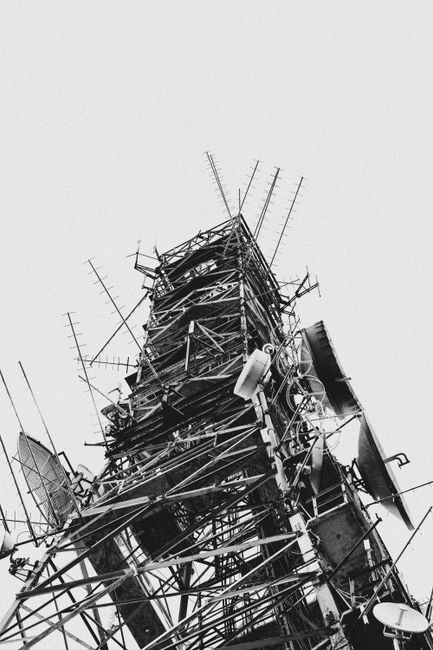
The closure took down the Long Wave transmitting stations at Droitwich in Worcestershire, Westerglen near Stirling, and Burghead overlooking the Moray Firth. As documented records show, the Droitwich site has been a landmark of British broadcasting for decades, its powerful signal reaching far across the country and beyond.
These high-power transmitters required specialized valves and components that are increasingly difficult and costly to source, making continued operation impractical as parts and expertise dwindle. Few engineers still specialize in maintaining such equipment.
What Long Wave Listeners Lose
Long Wave carried Radio 4 to listeners in areas with weak FM and DAB coverage, including parts of the coast and far-flung regions where the long-range signal excelled. Some dedicated listeners relied on it precisely because it reached where newer technologies could not.
A campaign called Keep Longwave fought to preserve the service as radio heritage, but declining listenership and rising costs ultimately won out. Affected listeners must now switch to FM, DAB, or online streams to continue hearing Radio 4.
The 198 kHz signal also carried a quirky legacy role for decades, having once been tied to backup communications and the shipping forecast that generations of listeners knew by heart. Its loss feels symbolic as much as practical for longtime fans.
The Slow Decline of Legacy Radio
The 198 kHz shutdown is part of a broader retreat from legacy broadcast technologies across Europe. As audiences move to on-demand and digital platforms, the economics of maintaining power-hungry analogue transmitters no longer add up for public broadcasters.
For those drawn to audio’s future rather than its past, our guide on starting a podcast shows how creators now reach listeners without any transmitter at all, using nothing more than a microphone and an internet connection.
Related Articles
How Streaming Services Work: Netflix and Disney Explained

Trust Post Desk
A journalist and editor at TrustPost.org covering world and national news, technology updates and human-interest stories. They check every fact, interview sources in person or online, and aim to deliver clear, accurate reporting. Their work ranges from breaking news to in-depth features and daily newsletters. Outside the newsroom, they follow emerging trends and engage with readers on social media.