California lawmakers have advanced AB 2047, the California Firearm Printing Prevention Act, which would require 3D printer manufacturers to install state-certified software that scans design files and blocks any print job for prohibited firearm parts. The Electronic Frontier Foundation warns the mandate is technically unworkable and threatens privacy, free speech, and open-source development.
The bill has cleared the State Assembly and now heads to the Senate, where digital rights advocates are urging rejection. The fight echoes broader battles over surveillance technology that we have tracked in our coverage of new privacy and identification laws.
What AB 2047 Would Force Printers to Do
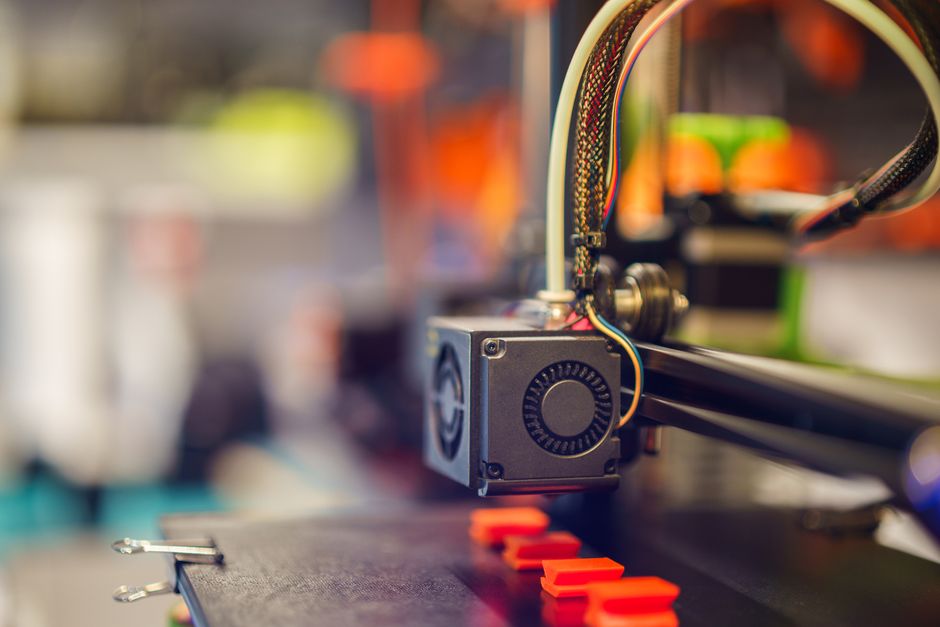
Under the bill, 3D printer makers would be required to use a state-certified algorithm that inspects digital design files before printing. If the software detects components matching prohibited firearm parts, it would block the print job automatically. In effect, printers would police their own users on the state’s behalf.
As Adafruit reported, the legislation would mandate DOJ-approved printers that report on themselves, a requirement with no real precedent in consumer hardware. Every printer sold in the state would effectively ship with a built-in monitor.
Why the EFF Calls the Mandate Unworkable
The Electronic Frontier Foundation argues the bill censors lawful speech, builds out corporate surveillance, and criminalizes open-source experimentation. The group says the print-blocking standard is technically impossible to implement reliably, since design files can be modified, renamed, or split in countless ways.
A scanning algorithm strict enough to catch real firearm parts would inevitably flag legitimate designs, while one loose enough to avoid false positives would miss the very files it targets. This fundamental tension sits at the heart of the EFF’s objection and has no clean technical fix.
The Open-Source Developers Caught in the Middle
One of the most concerning aspects, according to the EFF, is that the bill criminalizes common practices like creating and using alternative open-source 3D printing programs. Hobbyists, businesses, and developers who build their own software could face legal jeopardy for ordinary work.
The mandate would burden open-source developers with ambiguous and unrealistic standards, potentially chilling legitimate innovation across an entire community. This pattern of surveillance creep mirrors concerns raised about facial recognition expansion in other policy areas.
Where the Bill Goes Next
AB 2047 now moves to the California Senate, where opponents are mounting a campaign to defeat it. The EFF is calling on legislators to drop the bill and protect the tools of creators across the state, framing the fight as a test of digital freedom.
The outcome will set an important precedent for how far governments can push hardware makers to surveil their own customers. A California law could quickly become a template other states follow, raising the stakes well beyond the state’s borders and into national policy.
Manufacturers, meanwhile, face a difficult choice if the bill passes: build costly compliance software into their devices or stop selling in the largest state market in the country. Either path carries significant financial and reputational consequences for the industry.
Related Articles
New Privacy Laws and Online Identification Requirements

Trust Post Desk
A journalist and editor at TrustPost.org covering world and national news, technology updates and human-interest stories. They check every fact, interview sources in person or online, and aim to deliver clear, accurate reporting. Their work ranges from breaking news to in-depth features and daily newsletters. Outside the newsroom, they follow emerging trends and engage with readers on social media.