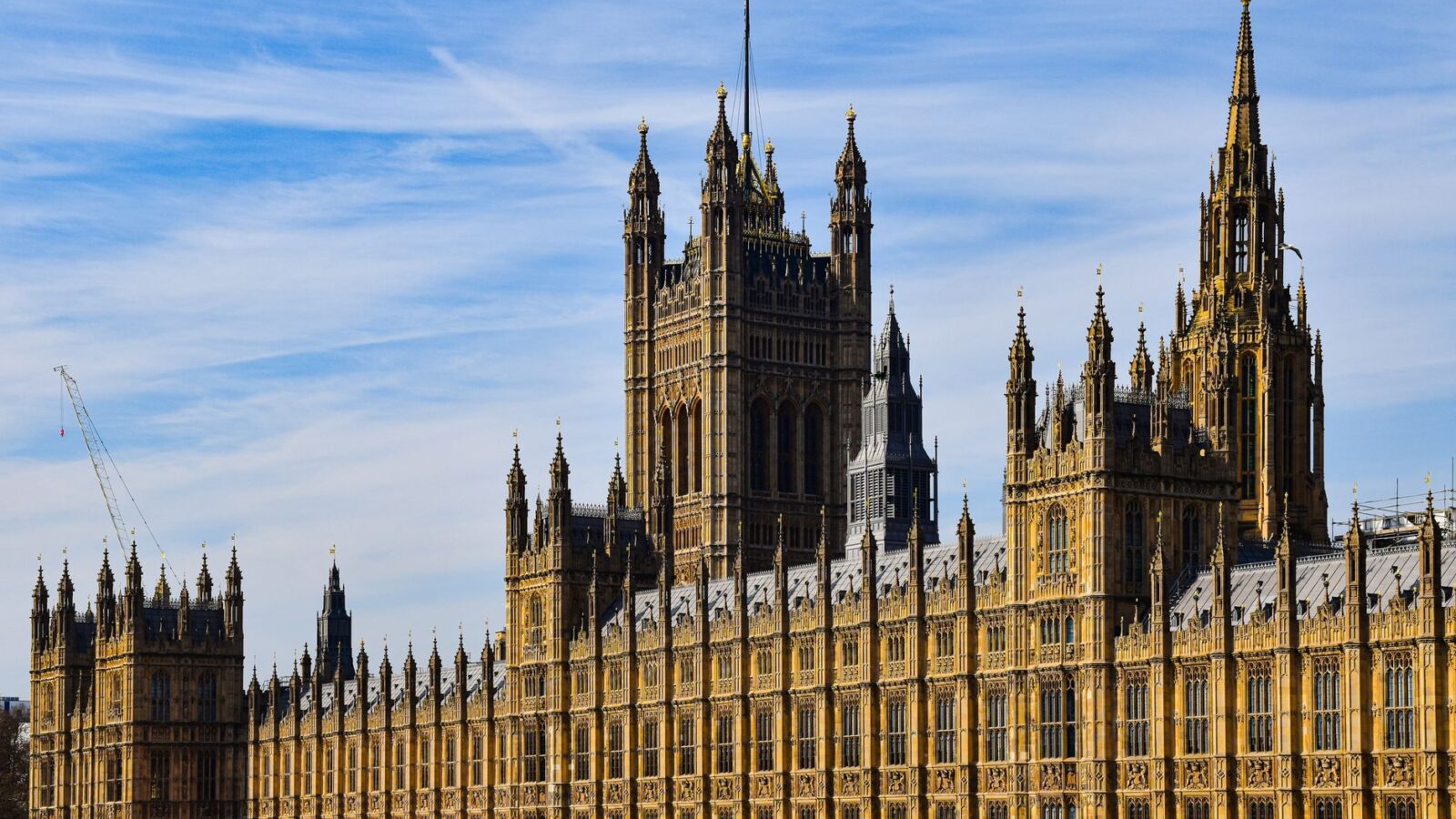
British Prime Minister Keir Starmer resigns, announcing his decision on June 22, 2026, and throwing Labour into a fast-moving leadership contest.
His likely successor is Andy Burnham, whose by-election win days earlier piled fresh pressure on Starmer to quit.
The resignation marks another dramatic turn in a turbulent decade for British politics and government.
Keir Starmer Resigns as Prime Minister
Starmer announced his resignation on June 22, 2026, after mounting calls from Labour MPs for a leadership challenge.
The move would make Britain its sixth prime minister in just seven years, underscoring years of political turbulence.
In his resignation speech, Starmer said he would ask his party to set out a leadership timetable.
He framed the decision as being in the best interests of the Labour Party and the country.
The resignation followed weeks of internal pressure and growing doubts about his leadership among Labour ranks.
According to NBC News report, the announcement triggered an immediate scramble to find his replacement.
Andy Burnham and the By-Election That Changed Everything

Andy Burnham, the popular former mayor of Greater Manchester, is now the runaway favourite to lead Labour.
He stepped down as mayor to stand in a local by-election in Makerfield, Greater Manchester, last week.
Burnham easily won the seat, returning to Parliament as a Member of the House of Commons.
That victory dramatically strengthened his position and intensified pressure on Starmer to step aside.
Former Health Secretary Wes Streeting said he would back Burnham’s leadership bid, boosting his momentum.
As CNN live coverage reported, Burnham’s return reshaped the Labour leadership picture almost overnight.
The Labour Party Leadership Contest Timeline
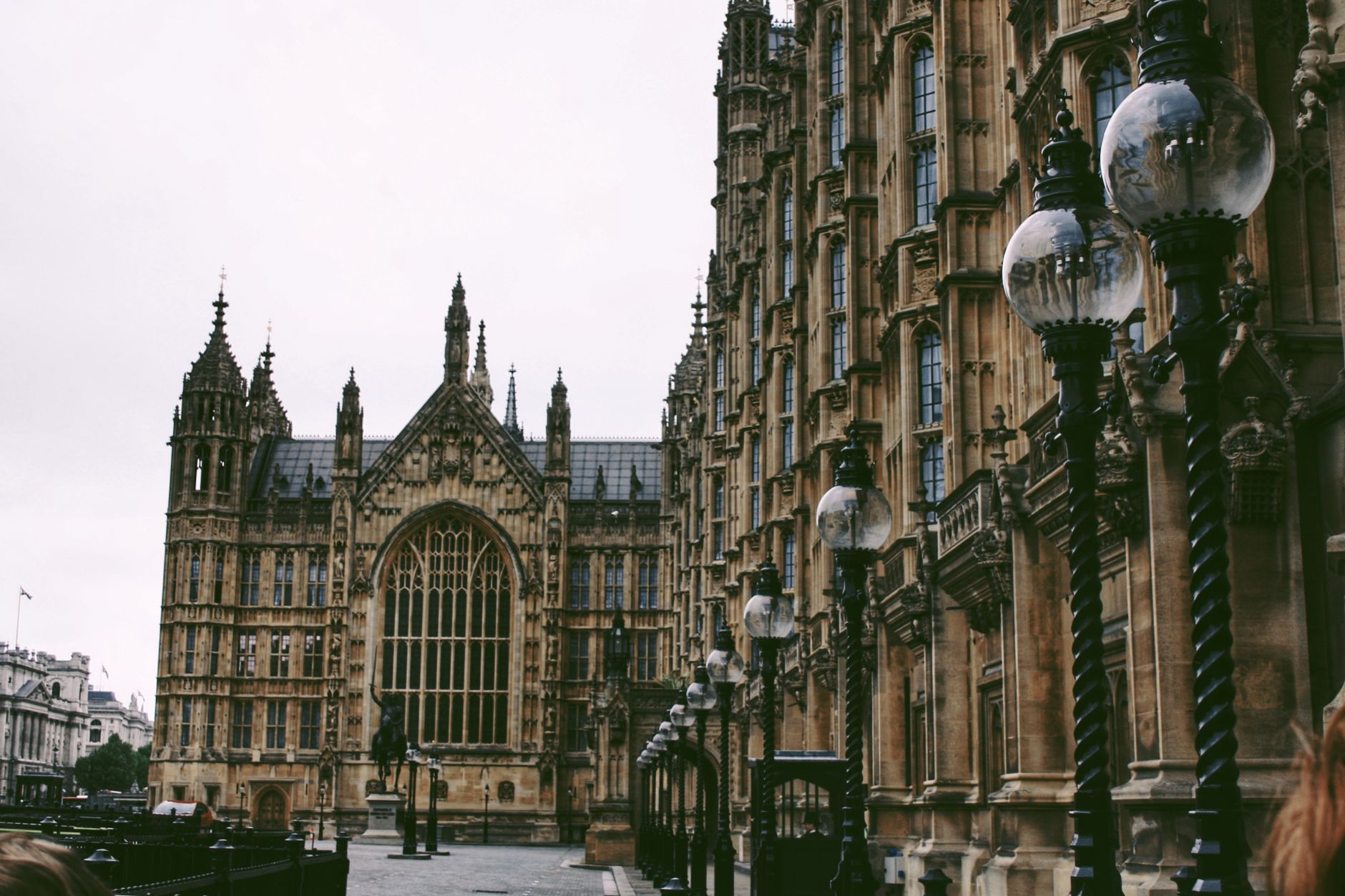
Starmer said nominations for the leadership would open on July 9, ahead of Parliament’s summer break.
The process is expected to move quickly, given the urgency of replacing a sitting prime minister.
Whoever wins the Labour leadership will automatically become the United Kingdom’s next prime minister.
Burnham enters as the clear front-runner, but a formal contest still has to play out.
Labour MPs and members will weigh who can best steady the party and the government.
The Al Jazeera report noted that pressure had been building on Starmer for some time before he quit.
What the Resignation Means for Britain
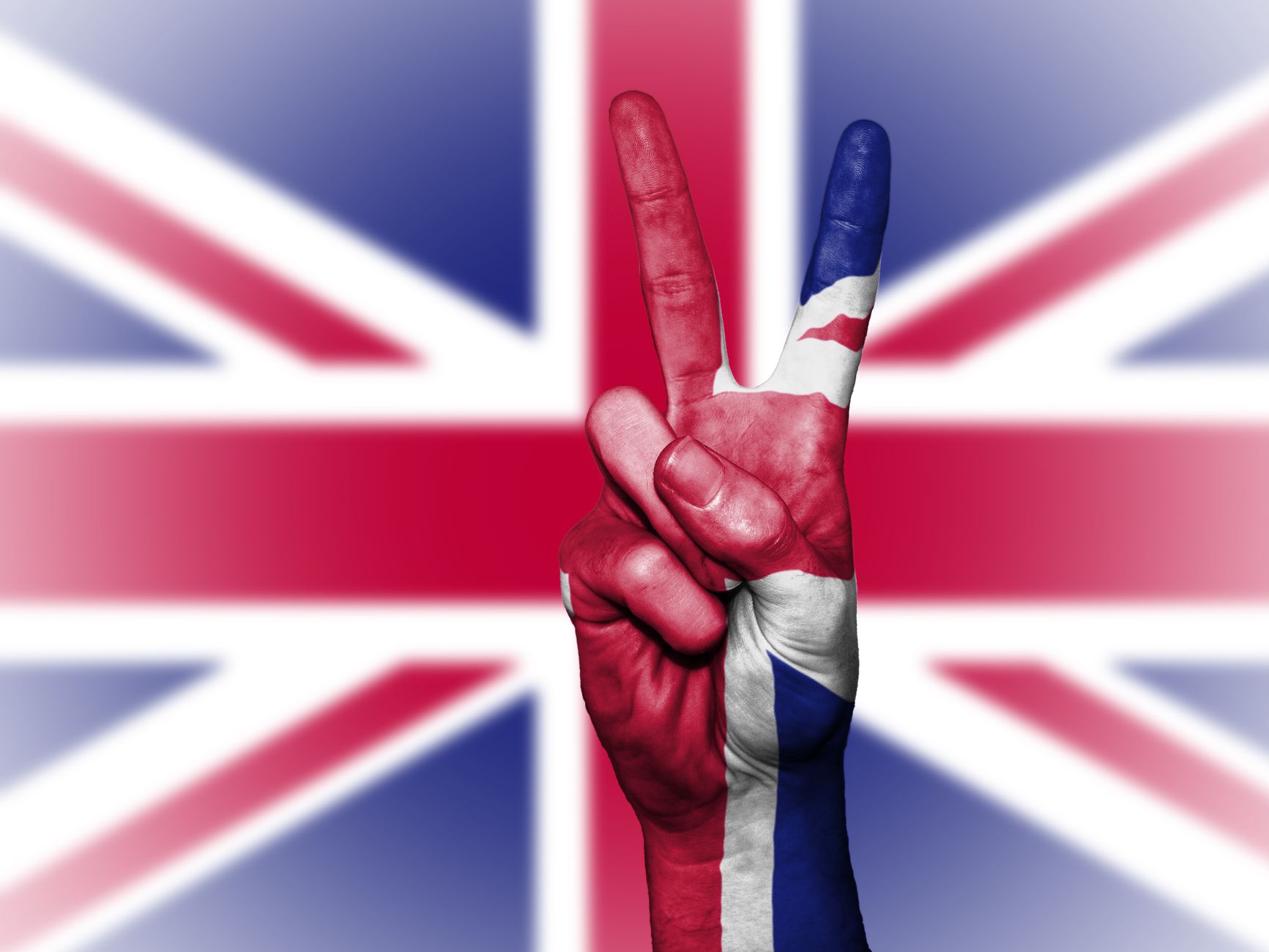
A change of prime minister brings uncertainty over policy direction at a sensitive moment for Britain.
Markets, allies, and voters will watch closely to see how a Burnham government might differ.
The rapid turnover of leaders has become a defining feature of recent British politics.
For now, Starmer remains in place until the Labour Party selects its new leader.
The coming weeks will determine who steers the country through its next chapter.
Follow more of our world news coverage as the leadership contest and its global implications develop further.
Britain’s political shift unfolds alongside other major global headlines dominating international attention this week.
Reactions to Keir Starmer’s Resignation
Starmer’s resignation drew swift reactions from across Britain’s political spectrum on June 22.
Senior Labour figures moved quickly to position themselves ahead of the leadership contest.
Wes Streeting’s early endorsement of Andy Burnham signalled where party momentum was heading.
Opposition parties seized on the turmoil, framing it as proof of Labour’s instability in power.
Commentators noted the resignation capped weeks of speculation about Starmer’s grip on the party.
Supporters praised Starmer for stepping aside rather than clinging on amid the pressure.
The public reaction reflected fatigue with the rapid churn of British prime ministers in recent years.
Challenges Facing the Next Prime Minister
Whoever succeeds Starmer will inherit a difficult economic and political landscape in Britain.
The new leader must quickly unite a Labour Party shaken by months of internal division.
Pressing issues include the cost of living, public services, and Britain’s role on the world stage.
A fresh prime minister will also need to reassure international allies and financial markets.
Burnham, if chosen, would bring a distinct style shaped by his years as a regional mayor.
He has built a reputation as a plain-speaking figure focused on practical local issues.
The coming leadership race will test whether Labour can present a steady, united front.
Related Articles
Ukraine Launches TrophyLab to Share Captured Russian Weapons Data
Venezuela Earthquake 2026: Twin Quakes Devastate Caracas Region
Supreme Court Tosses $1 Billion Copyright Ruling in Cox v. Sony

Trust Post Desk
A journalist and editor at TrustPost.org covering world and national news, technology updates and human-interest stories. They check every fact, interview sources in person or online, and aim to deliver clear, accurate reporting. Their work ranges from breaking news to in-depth features and daily newsletters. Outside the newsroom, they follow emerging trends and engage with readers on social media.