The Africa Investment Forum 2026, organized by the African Development Bank and its partners, generated a record $94 billion in investment pledges for projects across the African continent, with infrastructure, renewable energy, agriculture, and digital economy projects accounting for the largest share of commitments from a diverse mix of development finance institutions, sovereign wealth funds, private equity firms, and corporate investors. The Forum, which brings together deal facilitators, project sponsors, and investors to advance large-scale project financing on the continent, has built a track record since its 2018 launch of converting boardroom discussions into actual capital flows to African projects, with the AfDB tracking the closure rate of Forum-originated deals as a measure of the event’s real economic impact rather than the headline pledge numbers that can include aspirational figures not backed by specific project commitments. The 2026 record pledge total reflects both the growing appetite among global investors for African infrastructure exposure – particularly in the renewable energy and digital infrastructure sectors where Africa’s demand growth trajectory is among the world’s most attractive – and the improving quality of project preparation and regulatory frameworks that African governments have developed to make projects bankable for international capital.
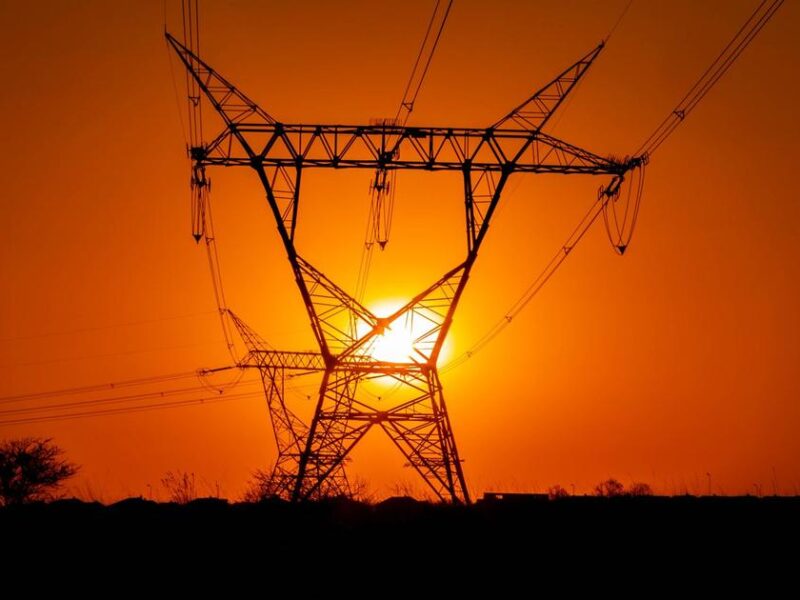
Several themes dominated the 2026 Africa Investment Forum. The energy transition represented the largest single category of investment discussions, with solar, wind, and grid storage projects in South Africa, Kenya, Morocco, Egypt, and the broader SAPP and EAPP power pool frameworks attracting interest from European, American, and Asian energy developers and infrastructure funds. The demand for battery storage minerals – lithium, cobalt, manganese, nickel, and graphite, all available in significant quantities across Africa – was a major focus of mining and battery supply chain discussions, with investors seeking to understand the regulatory and logistics pathways for developing African battery material projects that can supply European and US EV manufacturers under the supply chain diversification and nearshoring strategies those manufacturers have adopted. Digital infrastructure – data centers, subsea cable systems, last-mile connectivity networks – attracted significant investment pledges from technology companies and infrastructure funds seeking to serve Africa’s growing digital economy. The AfDB’s assessment that the gap between Africa’s infrastructure investment needs and current financing levels remains approximately $100 billion per year reminds observers that even a record Forum is addressing only a portion of the continent’s investment requirement. The innovative debt-for-development mechanisms that Zambia’s restructuring pioneered represent one potential path to mobilizing additional financing for African infrastructure without increasing already-elevated sovereign debt burdens.

Trust Post Desk
A journalist and editor at TrustPost.org covering world and national news, technology updates and human-interest stories. They check every fact, interview sources in person or online, and aim to deliver clear, accurate reporting. Their work ranges from breaking news to in-depth features and daily newsletters. Outside the newsroom, they follow emerging trends and engage with readers on social media.