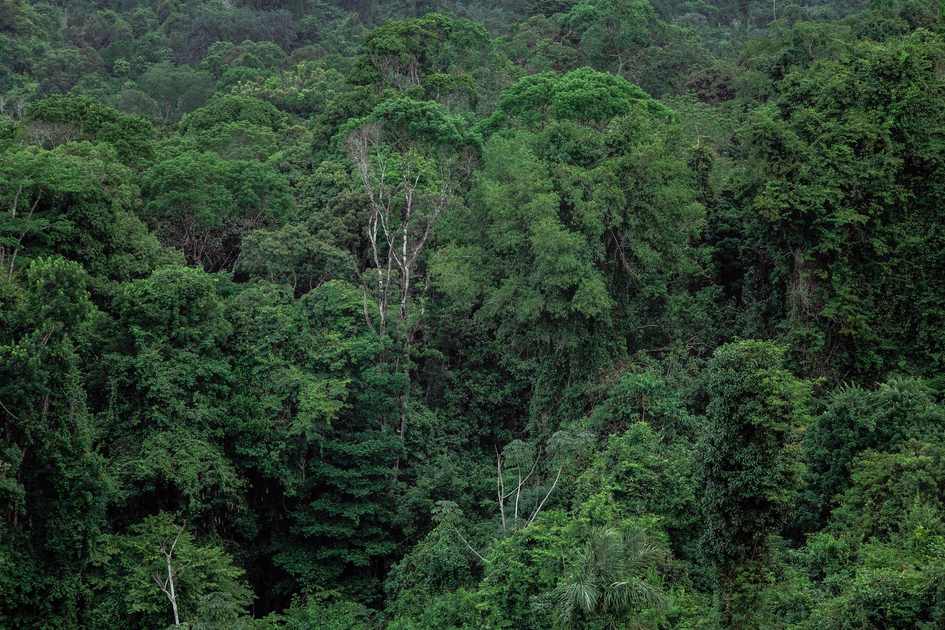
Brazil’s National Institute for Space Research (INPE) published its biennial Amazon deforestation assessment on Monday showing a 72 percent reduction in forest clearing over the 2024-2025 monitoring period compared to the 2019-2022 peak of the deforestation crisis, which had seen annual forest loss in the Brazilian Amazon reach levels not recorded since 2004. The reduction, from approximately 11,600 square kilometers of annual deforestation at peak to approximately 3,200 square kilometers in 2025, represents the fastest documented turnaround in Amazon deforestation rates in the history of the monitoring program and has been credited to a combination of strengthened enforcement by the Brazilian environmental agency IBAMA, criminal prosecution of major deforestation operations, and the deployment of an AI-powered real-time satellite monitoring system that allows authorities to detect and respond to clearing events within hours rather than months.
The political context for the deforestation reversal is inseparable from the change in Brazilian federal government. The administration of President Luiz Inácio Lula da Silva, which took office in January 2023, made reducing Amazon deforestation a centerpiece of its environmental policy and international diplomacy, reversing the trajectory of the previous Bolsonaro administration which had substantially weakened IBAMA’s enforcement capacity, reduced environmental fines, and created regulatory signals that emboldened illegal clearing operations. Lula’s government tripled IBAMA’s enforcement budget, reinstated 600 environmental agents whose contracts had been terminated under the previous government, established specialized federal prosecution units for environmental crimes, and negotiated international agreements with Norway, Germany, and the Amazon Fund’s other donors to restore the climate finance that had been suspended during the Bolsonaro years. Reuters reported that IBAMA conducted 4,200 enforcement operations in the Amazon in 2025, up from 890 in 2022, resulting in $800 million in environmental fines and the seizure of more than 3,000 vehicles and pieces of heavy equipment used in illegal clearing operations.
The AI satellite monitoring system, developed in partnership with Brazil’s Space Agency and Google Earth’s AI team, has been particularly significant in changing the enforcement dynamic. Previous monitoring systems operated on monthly or quarterly assessment cycles that allowed illegal operators to clear land, remove timber value, and establish cattle or soy operations before authorities were even aware clearing had occurred. The new system processes satellite imagery continuously and flags detected clearing events to IBAMA within two hours, enabling rapid response operations that can interrupt clearing before it is complete. Bloomberg reported that early-detection interventions have proved substantially more effective at stopping and deterring clearing than the previous model of retrospective assessment and fining, both because they disrupt operations before their economic value is realized and because the speed of detection communicates to illegal operators that the previous practical immunity from timely detection no longer applies.
International climate finance has played an important supporting role in sustaining the political commitment to enforcement. The Amazon Fund, a multilateral mechanism channeling primarily Norwegian and German government contributions, has committed approximately $1.7 billion for the 2023-2026 period, supporting both enforcement operations and alternative livelihood programs for Amazon communities that had previously depended on extractive activities. Financial Times reported that these alternative livelihood programs – focused on sustainable forestry, biodiversity-based enterprises, ecotourism, and high-value agricultural production that is economically competitive without clearing additional forest – are beginning to show meaningful evidence of creating economically viable pathways away from clearing, though the scale of these programs remains modest relative to the economic incentives that drive deforestation. CNBC noted that Brazil’s cattle and soy export industries, which are the primary economic drivers of Amazon clearing, have come under growing pressure from European buyers and the EU deforestation regulation, which requires imported commodities to be certified as deforestation-free from December 2024, creating market incentives for supply chain cleanliness that reinforce regulatory enforcement on the ground.

Trust Post Desk
A journalist and editor at TrustPost.org covering world and national news, technology updates and human-interest stories. They check every fact, interview sources in person or online, and aim to deliver clear, accurate reporting. Their work ranges from breaking news to in-depth features and daily newsletters. Outside the newsroom, they follow emerging trends and engage with readers on social media.