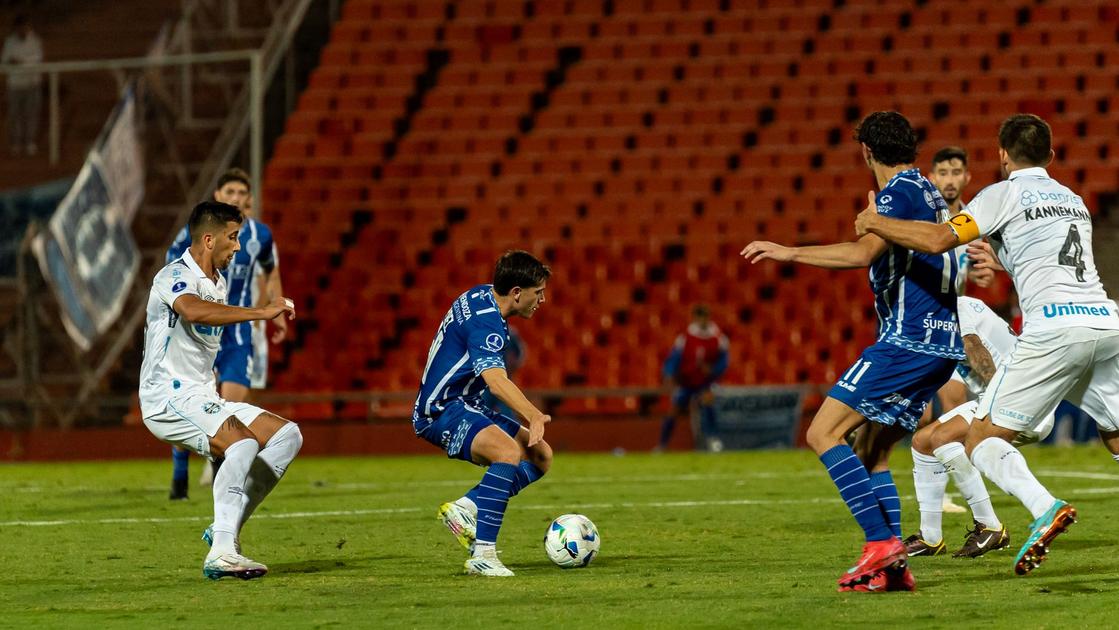
Australia produced one of the most tactically disciplined performances of the 2026 FIFA World Cup’s opening days on June 14, defeating Turkey 2-0 in their Group D opener in Vancouver despite facing a Turkish side that dominated possession so thoroughly it bordered on embarrassing for the Socceroos on paper. Turkey finished the match with 72 percent of possession, 30 total shots, and the kind of attacking statistics that should, by conventional football metrics, have produced multiple goals. Instead, Australia’s goalkeeper Patrick Beach made eight saves, the Australian defense executed a combined 55 clearances, and strikes from Nestory Irankunda and Connor Metcalfe in either half delivered a result that will go down as one of the most effective counterattacking performances in recent World Cup history. FIFA president Gianni Infantino was among those watching from the stands in Vancouver as Australia spoiled Turkey’s return to the World Cup for the first time in 24 years.
The match was Australia’s version of the statement result that every World Cup contender hopes for in its group opener: not just winning, but winning in a way that establishes the team’s tactical identity and sends a message to future opponents. Winning while conceding 72 percent of possession and 30 shots against a quality European side tells the rest of Group D – and the potential knockout stage opponents watching – that Australia can absorb pressure, defend organized structures effectively, and punish opposition mistakes with clinical efficiency on the break. For Tony Popovic’s Socceroos squad, building on the momentum of the 2022 World Cup run to the last 16, the Vancouver result represents confirmation that the team’s development since Qatar has continued in the right direction.
Irankunda and Metcalfe: The Goals That Won It
Nestory Irankunda, the 19-year-old Bayern Munich forward who has been one of the most exciting Australian footballers to emerge in a generation, opened the scoring with a counterattacking goal that exemplified the Socceroos’ game plan. As Turkey pushed numbers forward in search of their expected dominance, Australia’s transition play exploited the space behind the Turkish defensive line with pace and precision, and Irankunda’s clinical finish capped a move that covered ground faster than Turkey’s midfield could track back to deal with it. Connor Metcalfe, the Canadian Soccer League midfielder who has become an increasingly important figure in Australia’s central midfield, added the second goal in the second half in similar fashion – waiting for the moment when Turkey’s pressure created gaps rather than goals, and punishing the transition with a composed finish. The two-goal margin between a side with 28 percent possession and one with 72 percent is a football result that coaches and analysts will study as a case study in low-block counterattacking tactics executed at the highest level. The result mirrors the kind of upset dynamics seen elsewhere in the tournament, with tactical discipline repeatedly overcoming possessional dominance.
Patrick Beach and the Wall That Kept Turkey Out
Eight saves from a goalkeeper in a match that finishes 2-0 to that goalkeeper’s team is an unusual statistical combination – it speaks to both the volume of Turkish pressure and the quality of Beach’s performance in preventing what the xG models would have suggested should have been a Turkish victory. Beach, who plays his club football in the A-League with Melbourne City, has been one of Australia’s most consistent performers through the qualification campaign and the 2025 Asian Cup preparation, but the Vancouver performance elevated his profile to a genuinely international audience. The combination of Beach’s shot-stopping and the Australian outfield players’ commitment to clearing every ball that reached the penalty area produced the 55 clearance count – a figure that reflects a side that understood its tactical assignment and executed it without deviation across 90-plus minutes. For a tournament in which Australia has historically needed to manage the gap between its football culture’s development and the resources available to the sport in a country where rugby league, rugby union, and Australian rules football compete for the same athlete pool, this result demonstrated that the Socceroos can compete with European sides that carry far deeper football infrastructure.
Group D: What the Result Means for Australia’s Advancement Prospects
Group D now takes shape with Australia on three points from one match following the Turkey defeat. The 2026 World Cup’s expanded 48-team format means 32 teams advance from the group stage – the top two from each of the 12 groups plus eight of the twelve third-place finishers. Australia’s three-point cushion from the opening match puts them in a very strong position to advance regardless of results against their remaining group opponents, provided they avoid a heavy defeat that would damage their goal difference in the third-place tiebreak calculations. Turkey, meanwhile, must win their remaining group matches to remain in contention for advancement after the opening loss. For Australian football and its growing fanbase across the country, the Vancouver result offers the prospect of deep knockout stage involvement that would further accelerate the sport’s development in a country that has been investing steadily in football infrastructure since the 2006 World Cup generated a wave of public interest. The NDIS funding debates and other domestic policy discussions that occupy Australian political attention at home will compete for headlines with a Socceroos squad that may be about to give the nation reasons to stay up late watching football.

Trust Post Desk
A journalist and editor at TrustPost.org covering world and national news, technology updates and human-interest stories. They check every fact, interview sources in person or online, and aim to deliver clear, accurate reporting. Their work ranges from breaking news to in-depth features and daily newsletters. Outside the newsroom, they follow emerging trends and engage with readers on social media.