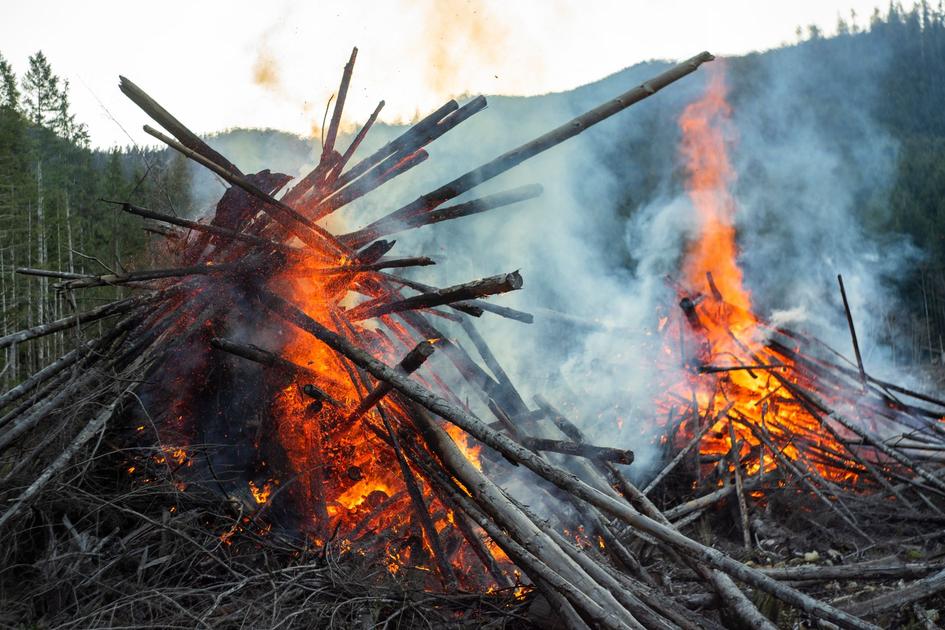
Canada’s 2026 wildfire season is tracking above normal as of mid-June, with the Canadian Interagency Forest Fire Centre reporting 1,747 fires across the country, of which 44 were classified as out of control and requiring active suppression resources that provincial and territorial firefighting organizations were coordinating with federal assistance. British Columbia has been identified as the province at highest sustained risk in 2026, with a combination of drought conditions, above-normal temperatures, and the accumulation of fuel loads from beetle-killed timber across interior BC forests creating fire weather conditions that meteorologists and fire managers characterized as among the most hazardous of recent years heading into the peak July-August fire season. Alberta, Saskatchewan, and Ontario have also recorded elevated fire activity in 2026, with evacuation orders and alerts affecting communities across the western and central provinces and creating the social disruption, air quality impacts, and economic costs that have become a regular feature of Canadian summers as climate change intensifies the fire weather conditions across the boreal and temperate forests that cover much of the country’s northern and interior regions.
Canada’s experience with wildfire has been transformed over the past decade by the scale and severity of events that have exceeded historical precedent: the 2016 Fort McMurray fire that forced the evacuation of 90,000 people and caused over $9 billion in insured losses, the 2017 BC fire season that burned a record 1.2 million hectares, the catastrophic 2023 season that burned over 18 million hectares, and the 2024 Jasper fire that devastated the iconic mountain town’s infrastructure and tourist facilities. The 2026 season, while not yet matching the extraordinary scale of 2023, is developing in a fire weather environment that climate scientists link clearly to the global warming trend that is increasing temperatures, reducing spring snowpack, extending drought periods, and creating the combination of dry, hot, and windy conditions that generate the most destructive wildfire weather. Canada’s federal and provincial governments have been investing in wildfire mitigation through FireSmart programs that create defensible space around communities, prescribed burning to reduce fuel loads in high-risk areas, and improvements in early detection and suppression capacity. The broader Canadian policy environment of the Carney government’s legislative agenda includes environmental protection measures that aim to address the climate drivers of the intensifying fire seasons alongside the immediate suppression and community protection investments.

Trust Post Desk
A journalist and editor at TrustPost.org covering world and national news, technology updates and human-interest stories. They check every fact, interview sources in person or online, and aim to deliver clear, accurate reporting. Their work ranges from breaking news to in-depth features and daily newsletters. Outside the newsroom, they follow emerging trends and engage with readers on social media.