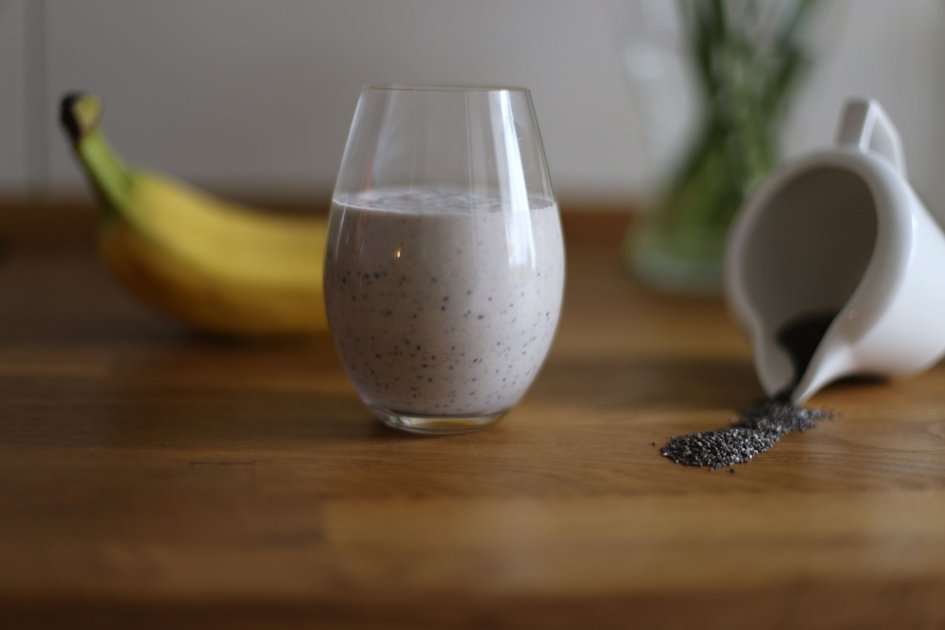
Chia seeds have completed one of the more remarkable journeys in modern food culture – from a novelty ingredient associated with Chia Pet terracotta figurines, to a staple in health food stores, to an ingredient with a measurable and growing presence in mainstream supermarkets globally. The global chia seed market has grown substantially over the past decade and shows no signs of slowing, driven by plant-based diet adoption, functional food trends, and the seeds’ genuinely impressive nutritional profile that sets them apart from the cycle of superfood hype that has claimed and discredited many of their peers.
What Makes Chia Seeds Nutritionally Distinctive
Unlike many foods that achieve superfood status through marketing rather than evidence, chia seeds have a nutritional profile that genuinely warrants attention. They are among the richest plant-based sources of omega-3 fatty acids (specifically alpha-linolenic acid), contain more calcium by weight than dairy milk, and offer a complete protein profile unusual for a plant food of their size. The seeds are also an exceptional source of dietary fiber, which is chronically under-consumed in Western diets and is associated with cardiovascular health, blood sugar regulation, and gut microbiome diversity.
- Two tablespoons of chia seeds contain approximately 10 grams of fiber – roughly a third of the daily recommended intake for adults.
- The same serving provides approximately 5 grams of protein and 5 grams of omega-3 fatty acids.
- Chia seeds are naturally gluten-free, making them compatible with celiac and gluten-intolerant dietary requirements.
- Their ability to absorb up to 12 times their weight in water makes them a useful thickener in plant-based cooking – chia ‘eggs’ (seeds soaked in water) serve as a binding agent in vegan baking.
Market Growth Drivers
The chia seed market is being driven by several converging trends. Plant-based diet adoption continues to grow globally, and chia seeds fit cleanly into vegetarian, vegan, paleo, keto, and Mediterranean dietary frameworks simultaneously – an unusual cross-category compatibility that broadens the addressable market. The functional food trend – consumer preference for foods that deliver specific health benefits rather than just calories – positions chia seeds favorably against conventional breakfast and snack options.
In emerging markets, particularly in Asia and India, chia seeds have benefited from growing middle-class interest in Western health foods, combined with local wellness traditions that are receptive to seed and grain-based nutrition. The relatively low price point of chia seeds compared to other superfoods also makes them accessible to a broader socioeconomic range of health-conscious consumers.
How to Actually Use Chia Seeds
The gap between knowing chia seeds are healthy and actually incorporating them regularly into eating habits is where many wellness trends fail. The practical advantage of chia seeds is their versatility and neutrality of flavor – they do not significantly alter the taste of most foods they are added to. Stirring a tablespoon into yogurt, oatmeal, smoothies, or salad dressings is the lowest-effort incorporation method. Chia pudding – seeds soaked overnight in plant milk with sweetener and flavorings – is the most popular standalone preparation.
Frequently Asked Questions
Should you eat chia seeds every day?
For most healthy adults, 1-2 tablespoons daily is a reasonable amount that delivers meaningful nutritional benefits. Introduce them gradually if you are not used to high-fiber foods, as rapid increases in fiber intake can cause digestive discomfort.

Trust Post Desk
A journalist and editor at TrustPost.org covering world and national news, technology updates and human-interest stories. They check every fact, interview sources in person or online, and aim to deliver clear, accurate reporting. Their work ranges from breaking news to in-depth features and daily newsletters. Outside the newsroom, they follow emerging trends and engage with readers on social media.