India is advancing one of the most strategically consequential infrastructure projects in the Indo-Pacific: a $9 billion megaport, international airport and expanded military installation on Great Nicobar Island, the remote southern tip of India’s Andaman and Nicobar archipelago that sits near the western entrance to the Strait of Malacca. The project, which is generating intense attention from both Beijing and major powers watching Indo-Pacific developments, places India in a position to monitor and, in times of conflict, potentially interdict a chokepoint through which China ships more than 70 percent of its imported oil. For China, which depends on Middle Eastern and African crude flowing through the Strait of Malacca to fuel its economy and military, India’s growing presence at the strait’s western end represents a strategic vulnerability that Beijing has not previously had to plan around.
Great Nicobar Island lies approximately 3,000 kilometers from New Delhi but just 150 kilometers from the northern tip of Sumatra, positioning it squarely within the maritime geography of Southeast Asia rather than the South Asian mainland. The island is home to the Indian Navy’s INS Baaz naval air station, which currently supports maritime patrol aircraft and surveillance missions over the Bay of Bengal and the Andaman Sea. The $9 billion development project expands those capabilities substantially, adding roads, bridges, deep-water docks capable of handling large commercial and military vessels, a new international airport, and significantly upgraded military installations that extend India’s reach toward the Malacca chokepoint.
Why the Strait of Malacca Matters to Both India and China
The Strait of Malacca, the narrow sea passage between the Malay Peninsula and the Indonesian island of Sumatra, is one of the world’s most critical maritime chokepoints. Approximately 90,000 ships transit the strait each year, carrying roughly a third of global seaborne trade and the majority of the oil and liquefied natural gas shipped from the Middle East and Africa to East Asia. For China, the strait is a point of acute strategic vulnerability – the country’s military planners refer to it as the “Malacca Dilemma,” acknowledging that Chinese energy security is dependent on a waterway that China does not control and cannot easily protect in a conflict scenario. India’s development of Great Nicobar Island as a major military platform near the western entrance to the strait gives New Delhi a new lever in its strategic competition with China without requiring confrontational posturing. The broader pattern of nations asserting strategic capabilities in 2026 extends to this maritime domain.
Environmental and Indigenous Concerns
The Great Nicobar project has not been without controversy domestically. Nearly a fifth of the island’s land area is designated for clearing to accommodate the new infrastructure, raising serious concerns from environmentalists about the impact on the island’s biodiversity, which includes nesting sites for leatherback sea turtles and unique tropical forest ecosystems. Indigenous rights groups representing the Shompen, one of the world’s most isolated hunter-gatherer communities whose traditional territory overlaps with the project zone, have raised alarms about the threat to a way of life that has persisted for thousands of years. The Indian government has characterized the project as a national security imperative while promising environmental safeguards, but critics argue the scale of land clearance makes meaningful mitigation impossible.
India’s Naval Ambitions and the International Fleet Review 2026
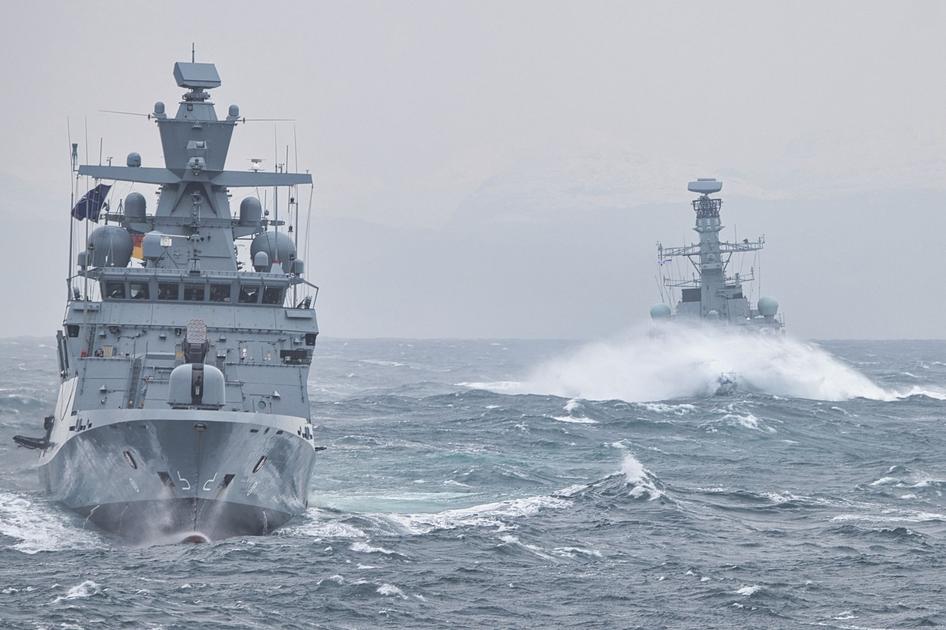
The Great Nicobar project is part of a broader Indian naval modernization drive that was displayed to the world in February 2026 at the International Fleet Review in Visakhapatnam, Andhra Pradesh. The event brought naval vessels from 74 countries to India’s eastern coast, with 85 ships including 19 foreign warships and more than 60 aircraft participating in a flypast alongside three submarines. President Droupadi Murmu reviewed the fleet from INS Sumedha, an indigenously built offshore patrol vessel, in a display of both India’s growing naval capability and its expanding network of naval partnerships across the Indo-Pacific. The fleet review, the third India has hosted and the largest by any measure, served as a signal to regional and global audiences that India intends to be taken seriously as a maritime power. The accelerating pace of technological investment across all domains – from consumer AI to military infrastructure – characterizes the strategic environment of 2026.

Trust Post Desk
A journalist and editor at TrustPost.org covering world and national news, technology updates and human-interest stories. They check every fact, interview sources in person or online, and aim to deliver clear, accurate reporting. Their work ranges from breaking news to in-depth features and daily newsletters. Outside the newsroom, they follow emerging trends and engage with readers on social media.