There is a running joke among frequent travelers that you can learn everything you need to know about a fellow passenger by looking at their luggage. The meticulously organized carry-on with a packing cube for every category of clothing belongs to a different person than the overstuffed roller bag with items jammed in at angles that defy physics. But the psychology of what we pack and how we travel goes deeper than jokes, touching on personality traits, values, and the stories we tell ourselves about who we are when we leave home.
The Hard-Shell vs Soft-Shell Divide
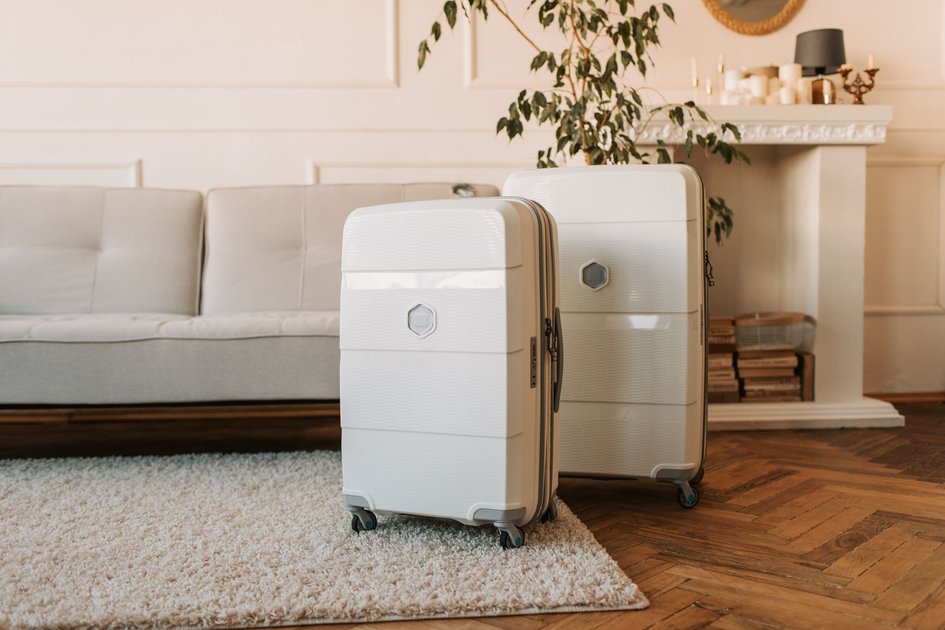
The choice between a hard-shell and soft-shell suitcase is a minor practical decision with a surprisingly large body of opinion attached to it. Hard-shell advocates tend to be protective of their belongings, more likely to pack breakable items, and often have a preference for order and structure that extends beyond luggage. The scratch patterns on a well-traveled hard-shell suitcase are worn as badges of experience by some frequent travelers. Soft-shell users typically prioritize flexibility – the ability to squeeze a slightly overpacked bag into an overhead bin, to add items at the last minute without rearranging everything.
- Research on decision-making styles suggests that people who spend significant time choosing ‘optimal’ luggage correlate with conscientiousness as a personality trait, while spontaneous packers correlate with higher openness to experience.
- The rise of premium direct-to-consumer luggage brands like Away, Rimowa, and Tumi has made the brand of luggage a status signal in airports, particularly in business travel contexts where fellow travelers are likely to recognize the brands.
- Minimalist travelers – those who commit to carry-on only regardless of trip length – often describe the constraint as liberating rather than limiting, a physical manifestation of a broader preference for simplicity.
What Your Packing Style Reveals
Beyond the bag itself, packing behavior is a rich area for personality observation. Over-packers consistently overestimate how many outfit options they will actually exercise and underestimate the inconvenience of managing excess luggage – a pattern that psychologists link to difficulty tolerating uncertainty. Under-packers tend to be highly adaptable, comfortable with improvisation, and willing to do laundry or buy things locally rather than carry every contingency with them.
The meticulous packer who uses color-coded packing cubes, rolls every garment, and creates a spreadsheet of items is exercising a form of pre-trip control that psychologists associate with anxiety management – the preparation ritual reduces uncertainty about the trip by creating the illusion of having accounted for every contingency.
Travel Accessories as Identity
The proliferation of travel accessories – passport holders, cable organizers, travel pillows, silk sleep masks, water filtration bottles – reflects how travel has become not just a means to a destination but a lifestyle identity. The well-curated travel kit communicates to other travelers and to oneself that this is a person who takes travel seriously, who has invested in the experience, and who approaches the world with intention.
Frequently Asked Questions
What is the best luggage brand in 2026?
Away remains popular for its value-to-quality ratio and carry-on optimization. Rimowa is the premium hard-shell choice for those who prioritize durability and brand recognition. For budget travelers, brands like Travelpro offer professional-grade functionality at accessible prices. The best brand depends entirely on how often you travel, where you go, and what you prioritize.

Trust Post Desk
A journalist and editor at TrustPost.org covering world and national news, technology updates and human-interest stories. They check every fact, interview sources in person or online, and aim to deliver clear, accurate reporting. Their work ranges from breaking news to in-depth features and daily newsletters. Outside the newsroom, they follow emerging trends and engage with readers on social media.