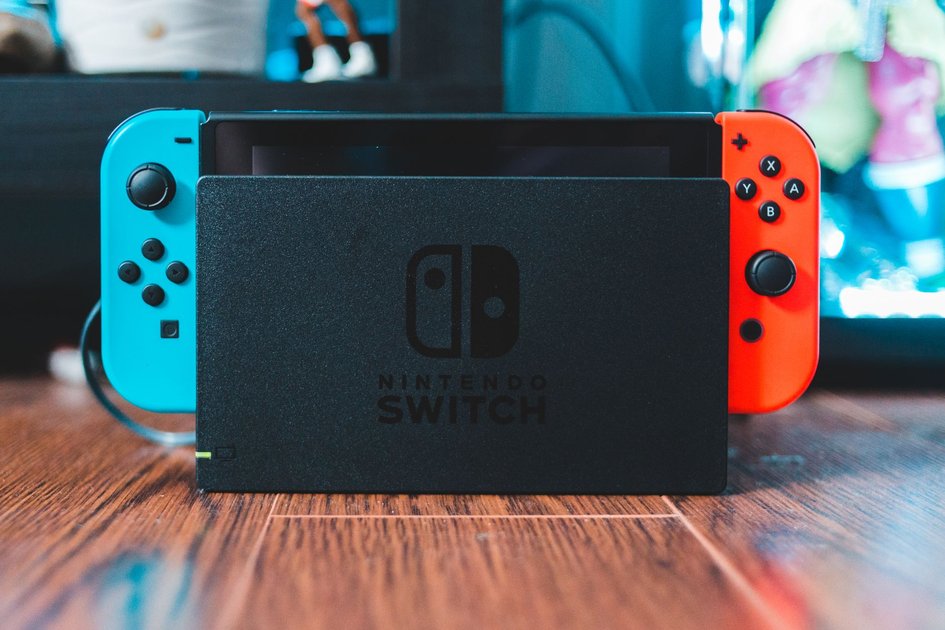
Nintendo confirmed on Friday that the Switch 2 has sold more than 10 million units globally in its first 90 days since launch – making it the fastest-selling console in Nintendo’s history, surpassing the record set by the original Switch’s first 90 days by approximately 2 million units, and continuing the extraordinary commercial momentum that has made the Switch franchise the most successful gaming hardware platform since the PlayStation 2. The milestone arrives at a moment when some analysts had questioned whether the Switch 2 would find it difficult to replicate the original’s magical combination of novelty and utility, and the 10 million figure has answered those questions definitively in Nintendo’s favour while creating new questions about how high the ceiling for the platform might ultimately be.
The commercial success has been driven by three convergent factors that Nintendo’s product team identified as essential to the Switch 2’s launch strategy. First, the backwards compatibility with the original Switch’s enormous game library – more than 5,000 titles – gave buyers an immediate, vast software catalogue without requiring a new software investment from day one. Second, the launch lineup of first-party Nintendo titles was the strongest the company has assembled for any hardware launch in its history, led by a new Mario Kart instalment and a Zelda title that several reviewers have called the most technically impressive game Nintendo has ever produced. Third, the Switch 2’s improved technical specifications – a custom NVIDIA chip that enables 4K output when docked, significantly improved handheld performance and HDR support – provide a meaningful upgrade experience for the 140 million Switch owners who represent the platform’s most likely early adopters.
What Makes the Switch 2 Different
- Upgraded Display: An 8-inch OLED display with HDR support in handheld mode, a significant improvement over the original Switch OLED’s already excellent screen.
- Performance Leap: The custom NVIDIA Tegra chip delivers approximately 3x the GPU performance of the original Switch, enabling 4K/60fps output in docked mode for first-party titles.
- New Magnetic Joy-Con: The revised Joy-Con controllers attach magnetically rather than sliding on rails – a change universally praised for eliminating the connection wobble that was a persistent ergonomic complaint about the original design.
- Mouse Mode: A new Joy-Con feature enables mouse-like cursor control when the controller is placed on a flat surface, a novel input method being incorporated into select launch titles.
- GameChat: Integrated voice and video chat functionality that uses the console’s screen and speakers, reducing the dependency on smartphones for social gaming communication.
- Expanded Online Infrastructure: Nintendo Switch Online has been upgraded with faster servers, lower latency and expanded cloud save functionality that addresses persistent criticisms of Nintendo’s online gaming infrastructure.
Buy the Nintendo Switch 2: The Nintendo Switch 2 is available now on Amazon. Check current pricing and availability for the Nintendo Switch 2 on Amazon – including bundle options with games and accessories.
The Software That Drove the Numbers
The Switch 2’s launch software lineup has been described by multiple publications as Nintendo’s most impressive collection of launch titles since the SNES, with several titles that would individually be considered system sellers positioned at or near the console’s launch window. Mario Kart World, the most commercially important of the launch titles, has already sold more than 8 million copies – making it the fastest-selling Mario Kart game in the franchise’s 35-year history. The Legend of Zelda: Echoes of the Kingdom, which Nintendo positioned as the Switch 2’s flagship showcase title, has sold more than 6 million copies and received the highest aggregate review scores of any Zelda game since Breath of the Wild.
The third-party software support for Switch 2 has also been stronger than for any previous Nintendo platform in recent memory, reflecting both the improved technical capabilities that bring the console closer to parity with PlayStation 5 and Xbox Series X/S for certain types of games, and the commercial lesson that developers learned from the original Switch’s surprising commercial success. The Switch 2’s launch window includes ports of several major third-party titles that were previously considered too technically demanding for the original Switch, alongside Switch 2-exclusive versions of several franchise games that take specific advantage of the new hardware capabilities. The combination of Nintendo’s extraordinary first-party output with stronger-than-usual third-party presence has given the Switch 2 a software breadth in its launch window that neither the original Switch nor the Wii U achieved at comparable stages of their life cycles.
Where Does Switch 2 Go From Here?
Nintendo’s release schedule for the remainder of 2026 suggests that the first-party software momentum will be maintained throughout the year, with a new Donkey Kong title, a Pokemon Legends sequel and a Metroid Prime entry all confirmed for the calendar year. The company has been deliberately managing information flow about its upcoming lineup, revealing titles in the months before their release rather than announcing them years in advance – a strategy that has been effective at maintaining consumer interest on a rolling basis rather than creating the ‘content drought’ periods that have historically affected gaming hardware platforms when their launch windows end.
The 10 million milestone raises the question of what a realistic lifetime sales trajectory for the Switch 2 looks like. The original Switch sold approximately 143 million units over its lifetime – a figure that placed it among the best-selling gaming consoles in history. Analysts who had been conservative about the Switch 2’s prospects before launch have been revising their lifetime sales estimates upward following the 10 million milestone, with several now projecting that the console could surpass the original’s lifetime sales if Nintendo can maintain software momentum and avoid the pricing missteps that have historically undermined gaming console platforms in their second and third years. Nintendo’s demonstrated ability to sustain software releases across a gaming platform’s full lifecycle gives those projections more credibility than they would carry for most hardware manufacturers. The first 90 days have been extraordinary. The remaining years will be watched just as closely by Nintendo fans and industry observers alike.

Trust Post Desk
A journalist and editor at TrustPost.org covering world and national news, technology updates and human-interest stories. They check every fact, interview sources in person or online, and aim to deliver clear, accurate reporting. Their work ranges from breaking news to in-depth features and daily newsletters. Outside the newsroom, they follow emerging trends and engage with readers on social media.