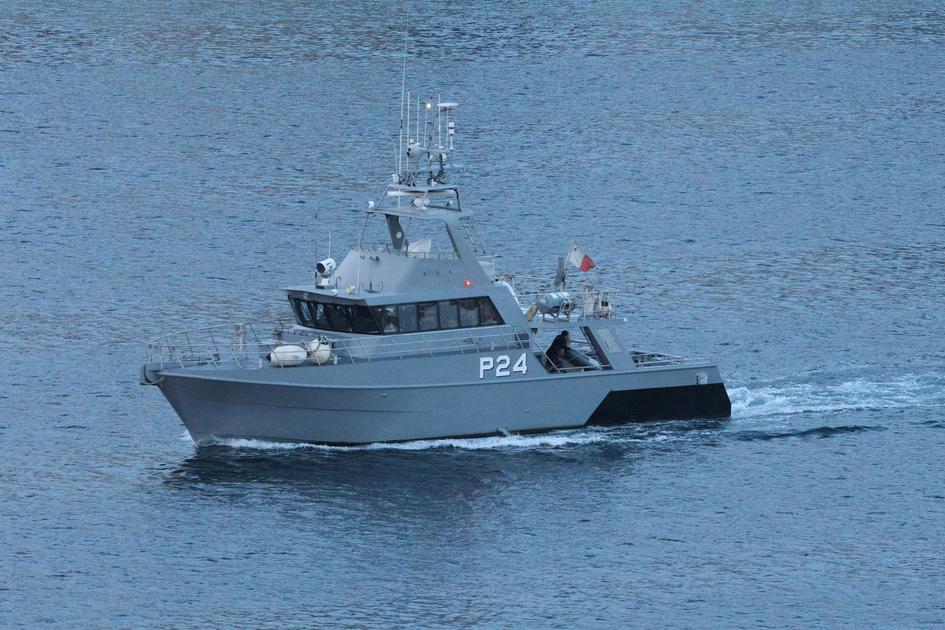
The Philippines filed a formal diplomatic protest on June 9, 2026 against China’s installation of a floating barrier at Scarborough Shoal, escalating a confrontation at one of the most contested reefs in the South China Sea and drawing expressions of concern from the United States, which is bound to the Philippines under the 1951 Mutual Defense Treaty. The floating barrier – a line of buoys and netting strung across the mouth of Scarborough Shoal’s lagoon – was deployed by the China Coast Guard and prevented Filipino fishing vessels from entering the sheltered waters where Filipino fishermen have traditionally operated and where the Philippines asserts rights confirmed by the 2016 Permanent Court of Arbitration ruling. China rejects the arbitration ruling and claims virtually the entire South China Sea under its nine-dash line doctrine, which no other state in the region or any major international legal body has accepted.
The June 2026 confrontation follows a pattern of escalating Chinese assertiveness in the South China Sea since 2012, when China effectively seized control of Scarborough Shoal from the Philippines. The floating barrier represents a tactic that blocks Filipino access while stopping short of overt military confrontation that would most directly trigger US-Philippines Mutual Defense Treaty obligations. The Philippines’ response has combined formal diplomatic protests with increased operational assertiveness in asserting rights at sea – a posture attracting unprecedented US logistical and intelligence support. China’s decision on June 11, 2026 to impose sanctions on Philippines Defense Secretary Gilberto Teodoro in response to his South China Sea criticism underscored Beijing’s willingness to use coercive tools against Southeast Asian governments that push back against its territorial claims. The Shangri-La Dialogue in Singapore served as a venue for regional defense ministers to signal collective opposition to unilateral coercive changes to the South China Sea status quo, with the Philippines’ situation serving as the most cited example of the threatening behavior assembled officials characterized as destabilizing to regional stability.

Trust Post Desk
A journalist and editor at TrustPost.org covering world and national news, technology updates and human-interest stories. They check every fact, interview sources in person or online, and aim to deliver clear, accurate reporting. Their work ranges from breaking news to in-depth features and daily newsletters. Outside the newsroom, they follow emerging trends and engage with readers on social media.