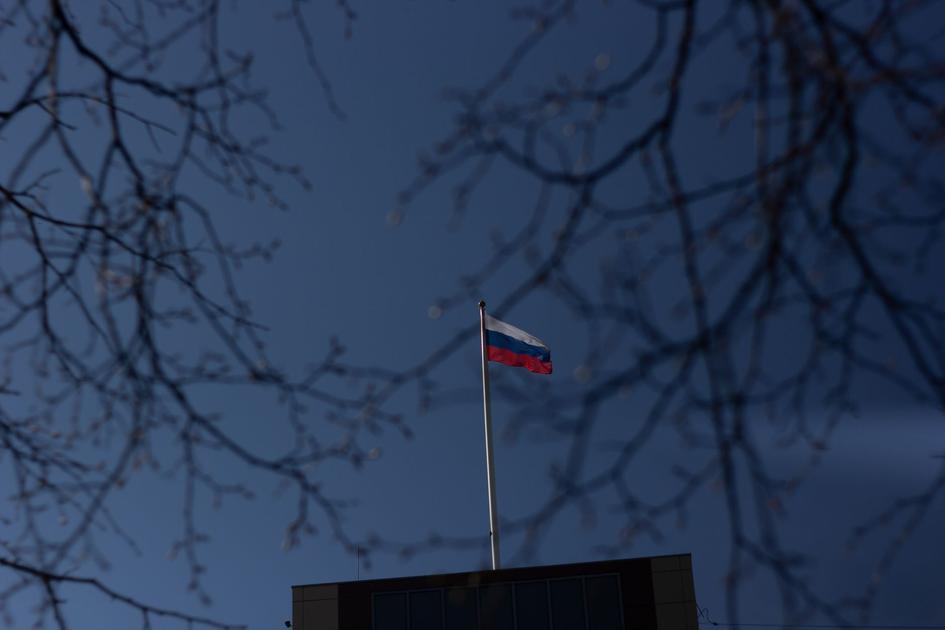
Russian President Vladimir Putin hosted ASEAN leaders in Kazan, Russia on June 17-19, 2026 for the Russia-ASEAN Summit, Moscow’s primary institutional platform for engaging with the ten-member Association of Southeast Asian Nations. The timing – amid the ongoing Iran war and US sanctions pressure on Russia related to Ukraine – placed ASEAN leaders in the complex position they have occupied throughout the post-2022 geopolitical disruption: balancing ASEAN’s formal neutrality principle against the economic and reputational costs of engagement with a Russia subject to sweeping Western sanctions. For Southeast Asian economies deeply integrated into global trade flows dominated by Western financial systems, the Russia-ASEAN relationship provides some diversification value but involves real reputational risk in a period when US and European officials have made clear their displeasure with relationships that benefit Russia’s sanctions-constrained economy.
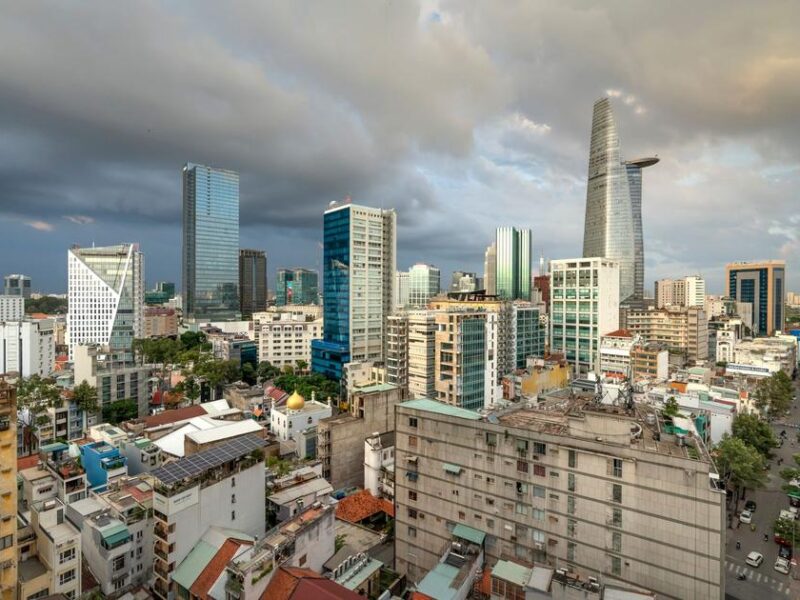
The economic content of the Kazan summit focused on areas where complementary interests are not directly constrained by Western sanctions: agricultural trade, energy, and connectivity through the International North-South Transport Corridor. Russia is a significant fertilizer supplier critical for Southeast Asia’s agricultural export industries, and the Iran war’s disruption of global shipping has created additional pressure on Southeast Asian energy import costs. The World Bank’s projection that Southeast Asian growth in 2026 will be 0.3-0.5 percentage points lower than pre-Iran war forecasts due to higher energy costs provides the backdrop against which ASEAN leaders engaged Putin on energy cooperation. The growth divergence within ASEAN – Vietnam outperforming at 7.2 percent while Thailand lags at 3.1 percent – partly reflects differences in energy import dependence that the Iran war shock has differentially affected across the region.

Trust Post Desk
A journalist and editor at TrustPost.org covering world and national news, technology updates and human-interest stories. They check every fact, interview sources in person or online, and aim to deliver clear, accurate reporting. Their work ranges from breaking news to in-depth features and daily newsletters. Outside the newsroom, they follow emerging trends and engage with readers on social media.