Russia is spending hundreds of millions of dollars to expand Russian-language education across Central Asia, building new schools, funding universities, and opening cultural centers in a region where Moscow’s traditional dominance is no longer assured and where China’s economic footprint, Western diplomatic interest, and the countries’ own nationalist impulses are collectively eroding the Soviet-era ties that once made Russian influence in the region feel permanent. The education investment, reported in detail by Radio Free Europe/Radio Liberty and confirmed by officials and researchers across multiple Central Asian republics, reflects the Kremlin’s recognition that language and culture are the most durable instruments of soft power available to Moscow in a region that is actively reassessing its relationship with Russia following the full-scale invasion of Ukraine in February 2022.
The target countries for the education expansion – Kyrgyzstan, Tajikistan, Kazakhstan, and Uzbekistan – share Soviet-era legacies of Russian-language instruction, significant Russian-speaking minority populations in some cases, and economic relationships with Russia that include both labor migration (millions of Central Asian workers send remittances home from Russia) and trade dependencies. These structural connections have historically given Moscow a foundation of influence that required little active maintenance. The post-Ukraine period has disrupted that foundation sufficiently that the Kremlin feels it must now actively invest in the institutions of cultural influence rather than relying on Soviet-era inertia to sustain it.
What the Investment Looks Like on the Ground
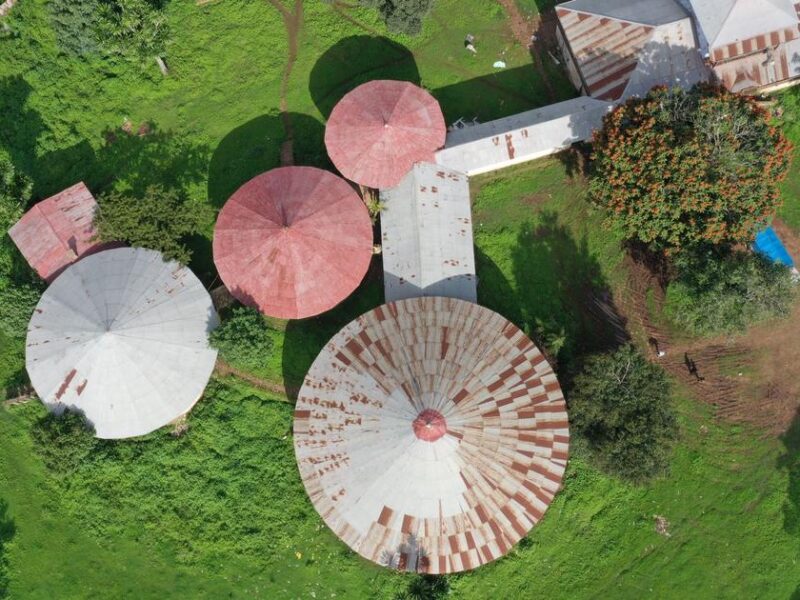
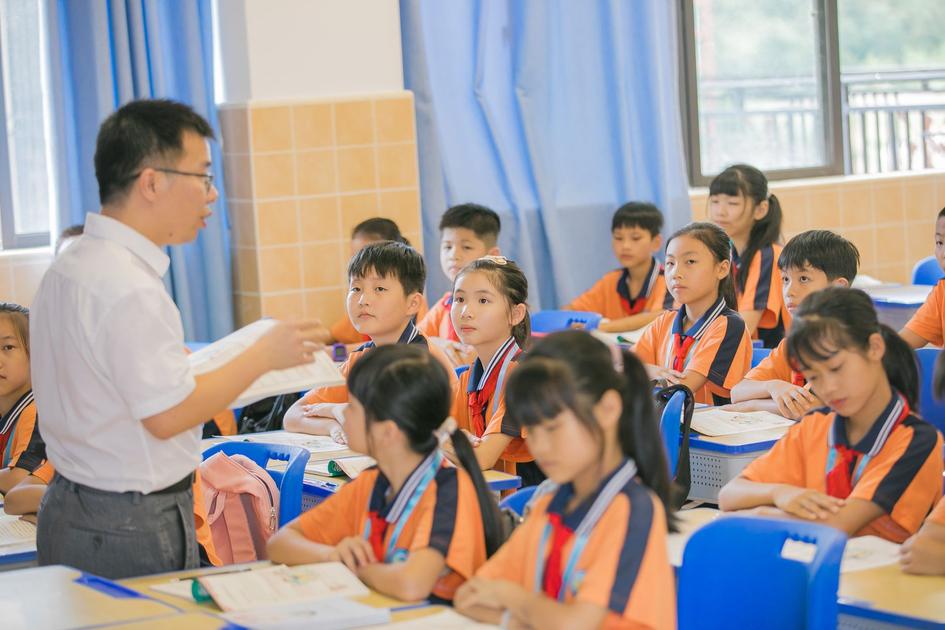
The Russian education push takes several forms across Central Asia. In Kyrgyzstan and Tajikistan, Russia has funded the construction of new school buildings in rural areas where educational infrastructure is sparse, with Russian-language instruction as a condition of the funding. At the university level, Russia has expanded scholarship programs that bring Central Asian students to Russian higher education institutions, deepening the long-term cultural and professional connections between the regions’ educated elites and Moscow. Cultural centers operated by Rossotrudnichestvo, Russia’s federal agency for the Commonwealth of Independent States, cultural, and humanitarian cooperation, have been upgraded and expanded in capital cities across the region, offering language courses, cultural programming, and in some cases visa assistance for Russian travel.
The investment parallels what other major powers do through their own cultural diplomacy instruments – the British Council, France’s Institut Français, Germany’s Goethe-Institut, and China’s Confucius Institutes are all active in Central Asia with similar objectives of maintaining cultural connections and long-term influence. What distinguishes Russia’s current push is the urgency behind it: the Kremlin is not investing in cultural diplomacy from a position of strength but in response to a measurable erosion of influence that has accelerated since 2022. The global information environment in 2026, where Central Asian populations have access to a far wider range of news, entertainment, and cultural content than was available in the Soviet period, makes the task of maintaining cultural influence through traditional education institutions more difficult than it was for previous generations of Russian policymakers.
Kyrgyzstan: Where the Shift in Perception Is Most Visible
Among Central Asian republics, Kyrgyzstan represents one of the most visible cases of changing public attitudes toward Russia since the Ukraine invasion. Kyrgyzstan hosts a significant Russian military presence at the Kant air base and has economic ties with Russia through the Eurasian Economic Union, but public opinion surveys conducted in 2024 and 2025 found that the population’s perception of Russia had shifted substantially, with more Kyrgyz citizens expressing concern about Russia’s trajectory than at any point in post-Soviet history. The country’s media landscape has opened to more independent coverage of the Ukraine war than is available in Russia itself, and the return of Kyrgyz labor migrants from Russia with firsthand accounts of the economic and social effects of the Ukraine conflict has influenced public discourse in ways that Moscow’s cultural diplomacy investment struggles to counteract.
Central Asian nations more broadly are engaged in what historians are describing as an active reassessment of how Russian-era history is taught and interpreted. Several republics have introduced new national history curricula that place greater emphasis on pre-Russian civilizations, the costs of Soviet-era collectivization and political repression, and the independent contributions of Central Asian cultures to the region’s development – a historiographic shift that runs directly counter to the Russian educational narrative that Moscow’s school-building campaign is designed to sustain. The tension between Russian soft power investment and Central Asian historical reassessment represents one of the defining dynamics of the post-Soviet region in 2026. The broader question of how governments assert influence – through regulation, cultural investment, or strategic infrastructure – is one of the defining policy questions of the decade across multiple regions simultaneously.

Trust Post Desk
A journalist and editor at TrustPost.org covering world and national news, technology updates and human-interest stories. They check every fact, interview sources in person or online, and aim to deliver clear, accurate reporting. Their work ranges from breaking news to in-depth features and daily newsletters. Outside the newsroom, they follow emerging trends and engage with readers on social media.