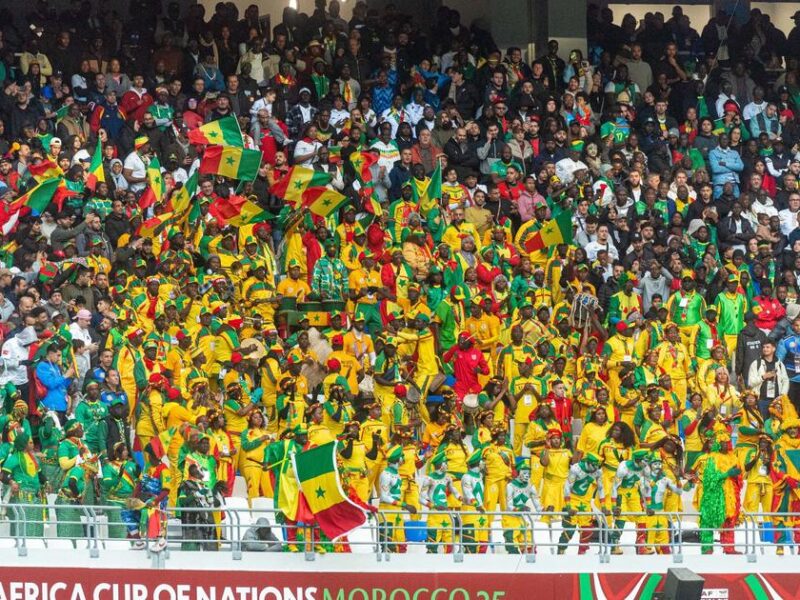
Senegal’s squad at the 2026 FIFA World Cup in North America represents a compelling blend of the veterans who drove the Lions of Teranga to their first-ever AFCON title in 2022 and their debut appearance in the World Cup quarter-finals in Qatar 2022, alongside a generation of younger players who have established themselves as regulars in major European leagues over the past four years. Sadio Mane, whose goals and leadership were central to Senegal’s 2022 successes before his transfer to Al-Nassr in Saudi Arabia and the subsequent disruptions to his career, is part of the 2026 World Cup squad in an elder-statesman role that complements the energetic performances of the younger attacking players who have emerged as primary threats in national team play. Coach Aliou Cisse, who led Senegal through the most successful period in the national team’s history, has maintained a tactical approach that combines defensive organization with rapid attacking transitions and the technical quality of Senegal’s European-based professionals to create a team that is competitive against any opponent at the World Cup level.
Senegal’s football infrastructure has improved significantly over the past decade, with the completion of the Abdoulaye Wade Stadium in Dakar providing a world-class home venue, investment in football academies that identify and develop talent from the country’s population of 18 million, and the growing salaries available to African players in top European leagues creating financial incentives that attract talented young Senegalese into football careers at increasingly young ages. The Senegalese diaspora in France, Spain, Italy, and other European countries also creates a pool of dual-nationality players from whom the national team has been able to recruit, complementing the domestic talent pipeline. For Senegal’s 2026 World Cup campaign, the draw has placed the Lions of Teranga in a group that tests their ability to compete with established European and South American powers while also creating a path to the knockout stages that Senegal’s quality makes realistic. African footballers across all the continent’s representatives at the 2026 World Cup – Morocco, Senegal, Ghana, Nigeria, and others – are navigating the tournament in a context where African football’s global profile has never been higher, driven by the performances in Qatar 2022, the growing number of African players at top European clubs, and the commercial investment in African football from global sponsors and broadcasters. The pan-African World Cup narrative that has united the continent’s football fans across national boundaries provides the emotional backdrop for Senegal’s campaign.

Trust Post Desk
A journalist and editor at TrustPost.org covering world and national news, technology updates and human-interest stories. They check every fact, interview sources in person or online, and aim to deliver clear, accurate reporting. Their work ranges from breaking news to in-depth features and daily newsletters. Outside the newsroom, they follow emerging trends and engage with readers on social media.