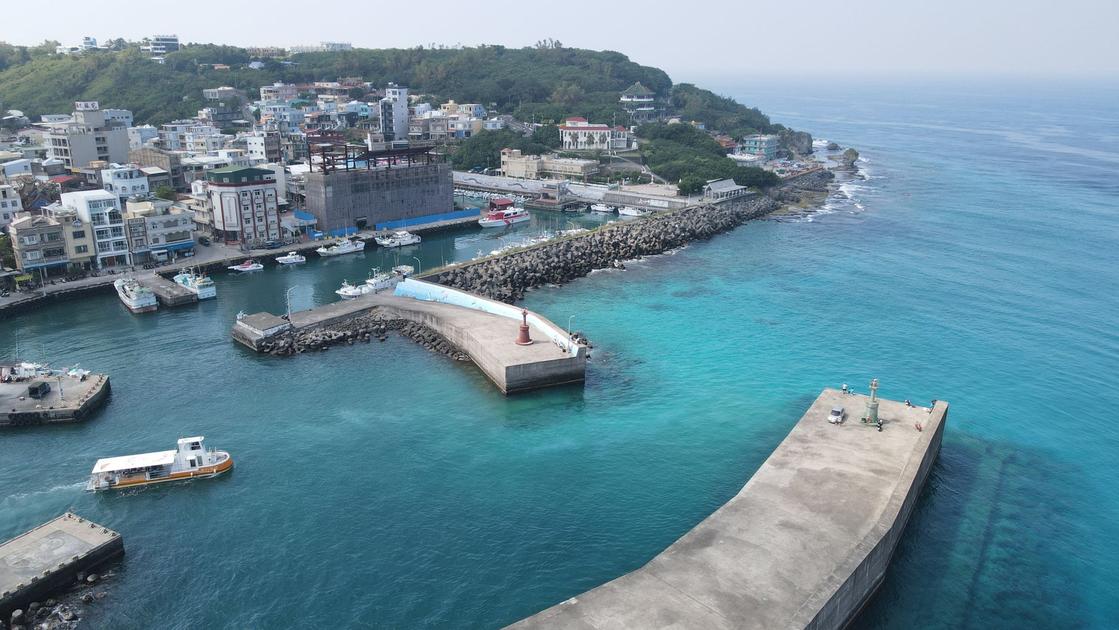
China’s Ministry of Transport conducted a maritime law enforcement operation east of Taiwan in June 2026, asserting Beijing’s territorial claims in waters that both Taiwan and Japan have interests in – while simultaneously, a meeting between Chinese representatives and Taiwanese politician Cheng took place in what the People’s Republic framed as the first meaningful cross-strait political contact in approximately a decade. The two simultaneous developments – maritime pressure and diplomatic engagement – illustrated Beijing’s dual-track approach to Taiwan: coercion directed at the ruling Democratic Progressive Party government, combined with political outreach aimed at Taiwanese opposition politicians and public opinion. The maritime operation, reported in the AEI China-Taiwan Update published on June 12, 2026, contests navigation rights in waters where Japanese maritime jurisdiction claims also apply, adding an additional bilateral dimension to what is already a complex triangular relationship between China, Taiwan, and Japan in the waters east of the Taiwan Strait.
The Taiwan Strait remains the most acute potential flashpoint in the Indo-Pacific security environment in 2026, with conflict over Taiwan representing the scenario most likely to draw the United States and China into direct military confrontation. The Trump administration’s approach has been characterized by ambiguity – stronger arms sales in some periods combined with unpredictable statements about the US defense commitment to Taiwan that have created uncertainty in Taipei and allied capitals about the reliability of US extended deterrence. Japan, whose southwestern islands are in immediate proximity to Taiwan and whose major US military facilities would be critical to any US military response, has been the most vocal US ally about maintaining deterrence stability in the Taiwan Strait. The Shangri-La Dialogue’s reaffirmation of rules-based order included implicit references to the Taiwan Strait that positioned the broader democratic coalition as opposed to unilateral changes to the cross-strait status quo by force.

Trust Post Desk
A journalist and editor at TrustPost.org covering world and national news, technology updates and human-interest stories. They check every fact, interview sources in person or online, and aim to deliver clear, accurate reporting. Their work ranges from breaking news to in-depth features and daily newsletters. Outside the newsroom, they follow emerging trends and engage with readers on social media.