Ukraine launched its largest drone attack on Moscow in years on June 18, 2026.
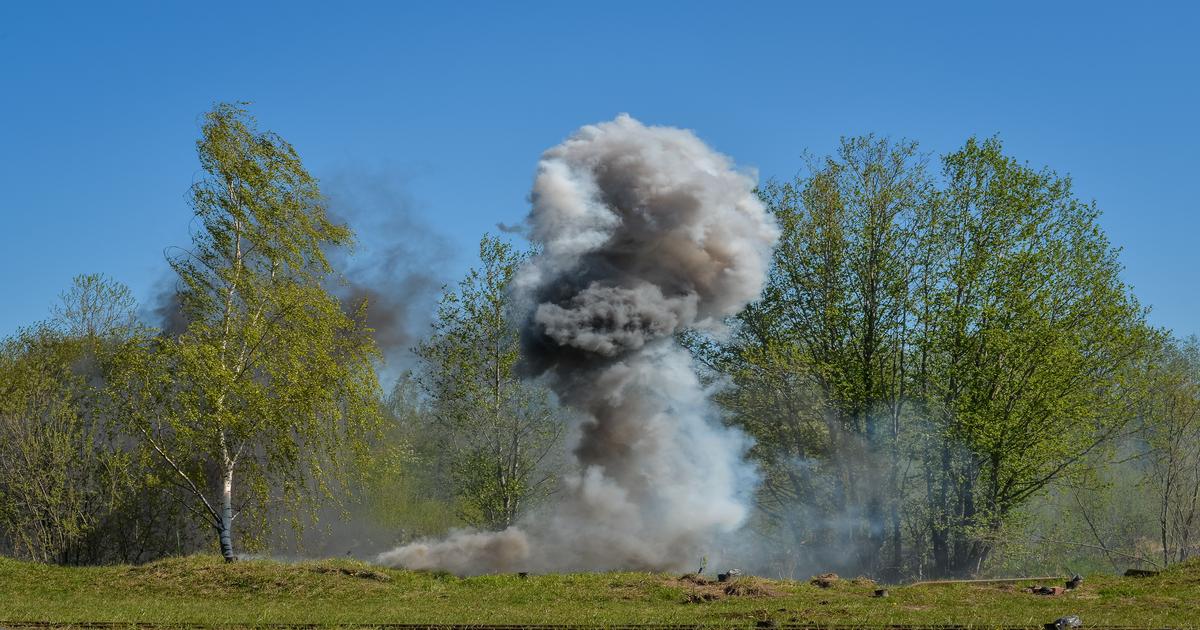
Waves of drones struck the Kapotnya oil refinery in southeast Moscow. Fires burned through the morning, sending thick smoke over the city.
Moscow Mayor Sergei Sobyanin confirmed 190 drones were shot down on approach to the capital overnight. Several still reached the refinery.
Airports Shut Down, Casualties Reported
The attack forced major Moscow airports into temporary shutdown. The Russian Transportation Ministry cited flight safety concerns.
The Kapotnya refinery sits just 10 miles from the Kremlin. A video geolocated by NBC News showed a drone flying into a plume of smoke above the facility.
Russia’s Moscow public prosecutor reported damage to apartment buildings in several districts. Casualties were confirmed but numbers were not immediately released.
Zelenskyy: ‘It Is Time the War Ended’
Ukrainian President Volodymyr Zelenskyy described the strike as a justified response to Russian attacks on a historic Ukrainian monastery.
“It is time the war ended, and Russia must take the necessary steps in diplomacy,” Zelenskyy said in a statement.
He added a pointed warning: “Moscow will burn” if Putin continues the war without moving toward peace.
ABC News reported this was one of the largest drone assaults on the Russian capital since the war began in 2022.
The Kapotnya Refinery: A Strategic Target
The Kapotnya refinery is one of Russia’s most important fuel-processing facilities. It supplies a significant share of Moscow’s petroleum products.
Striking it twice in one week signals a deliberate Ukrainian campaign against Russian energy infrastructure.
Previous drone attacks have targeted refineries in other Russian regions. This is among the most direct hits on Moscow’s own energy supply chain.
Geopolitical Context
The attack comes as diplomatic pressure on both sides is building. The US-Iran peace deal signed at Versailles has shifted global attention to negotiations and ceasefire frameworks.
NATO is also reassessing its posture. The Hegseth NATO 3.0 review announced this week signals a potential shift in Western military strategy in Europe.
Ukraine’s escalation suggests Kyiv is unwilling to soften its military campaign while peace talks remain uncertain.
NPR noted the timing of the attack, coinciding with the ongoing international diplomatic push around the Iran deal and NATO restructuring.
What Comes Next
Russia has not announced a formal response to the attack. In past incidents, Moscow has retaliated with strikes on Ukrainian energy and civilian infrastructure.
International observers are watching closely. Escalation in Moscow could complicate ceasefire discussions that have gained momentum following the Iran MOU.
For now, the war continues on its own terms, regardless of the diplomatic activity happening around it.
Related Articles

Trust Post Desk
A journalist and editor at TrustPost.org covering world and national news, technology updates and human-interest stories. They check every fact, interview sources in person or online, and aim to deliver clear, accurate reporting. Their work ranges from breaking news to in-depth features and daily newsletters. Outside the newsroom, they follow emerging trends and engage with readers on social media.