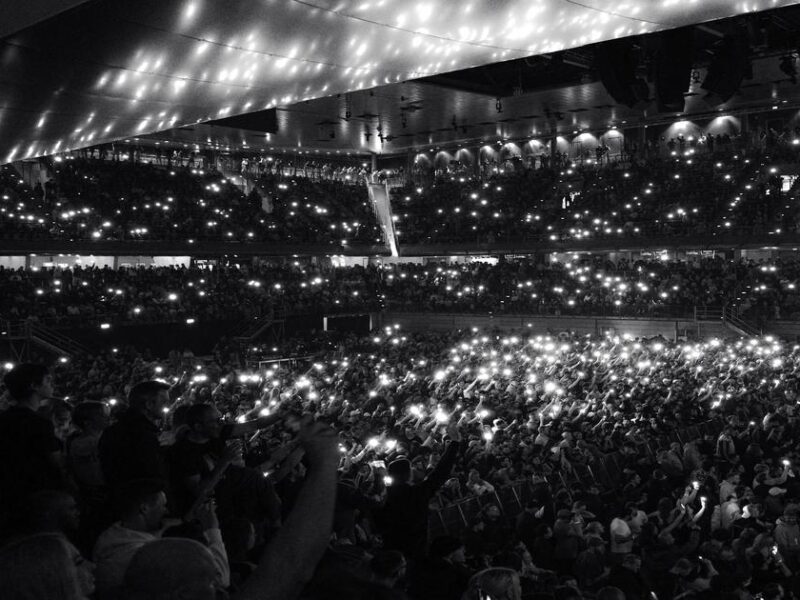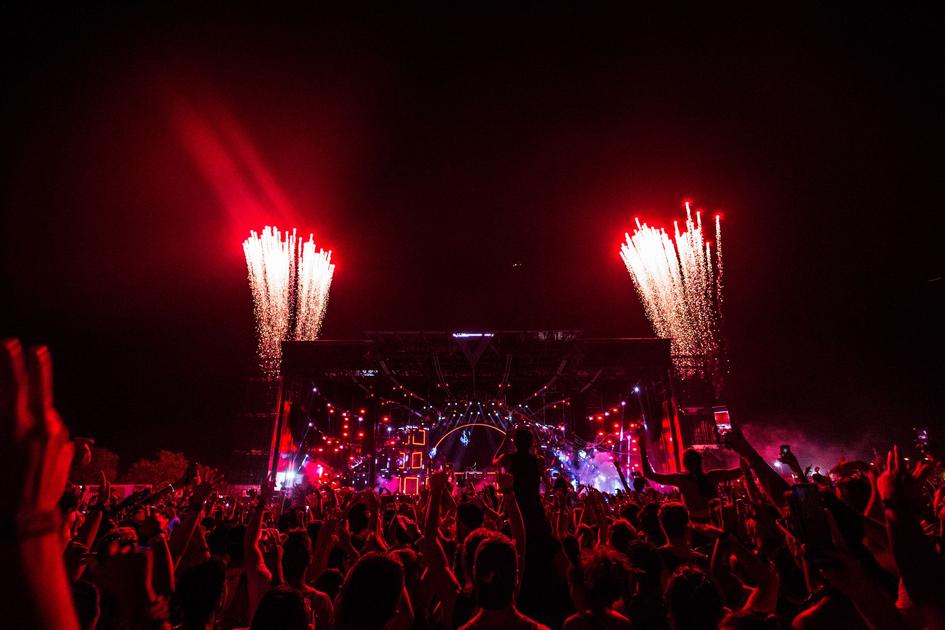
The 2026 FIFA World Cup officially opened on June 11 at the Estadio Azteca in Mexico City with one of the most globally watched sporting ceremonies in history, combining fireworks, sweeping light shows, and performances by Shakira, Burna Boy, J Balvin, Maná, Danny Ocean, and Ryan Castro before a crowd of more than 80,000 fans packed into the revamped Mexican national stadium. The ceremony marked the beginning of a tournament jointly hosted by the United States, Canada, and Mexico – the first World Cup held across three countries simultaneously – and gave Mexico City a historic distinction: the Azteca Stadium became the first venue in football history to host the World Cup opening match three times, having previously done so in 1970 and 1986.
The official World Cup song, “Dai Dai,” performed live by Shakira and Burna Boy, opened the musical portion of the ceremony with the flag parade preceding their performance. The choice of Shakira – whose “Waka Waka” became the defining anthem of the 2010 South Africa World Cup and one of the most-watched World Cup performance videos in history – as the headline act for the 2026 opening ceremony was widely interpreted as FIFA leaning into both her Latin American cultural resonance and her proven ability to create the kind of globally memorable opening ceremony moment that the tournament’s record television audiences demand. Burna Boy, the Nigerian Afrobeats superstar, provided a global pop dimension alongside Shakira’s Latin identity, and his inclusion reflected FIFA’s awareness of the African continent’s enormous football fanbase and Africa’s growing cultural presence in global popular music.
The Full Lineup: A Celebration of the Americas and Global Culture
The ceremony’s structure moved through a sequence of performances that blended Latin American musical heritage with contemporary global pop. Maná, the Mexican rock band considered one of the most successful Latin rock acts in history, performed “Oye Mi Amor” surrounded by indigenous dancers whose choreography incorporated visual references to pre-Columbian Mexican cultural traditions – a decision that acknowledged the host nation’s identity beyond its football team. Danny Ocean, the Venezuelan-American singer-songwriter known for his bilingual ballads, performed “Partidazo” surrounded by female dancers in traditional china poblana dresses, a celebration of a quintessentially Mexican cultural costume that carries deep national symbolism.
J Balvin and Ryan Castro closed the musical section with an extended medley including “Qué Calor,” “Una a la Vez,” and “I Like It,” bringing a reggaeton and urban Latin energy that reflected the tournament’s commercial relationship with the music genre that has dominated global streaming charts over the past decade. The choice of Colombian artists – Shakira, J Balvin, and Ryan Castro all carrying Colombian heritage – in prominent ceremony roles gave Colombia an outsized cultural presence at an event for which it failed to qualify, something that was not lost on Colombian football fans watching from Bogotá and Medellín. The global entertainment calendar of 2026 has already delivered memorable cultural moments, and the Azteca ceremony takes its place alongside the Eurovision win and the summer gaming announcements as a genuinely resonant pop culture event.
Protests Outside the Azteca: Mexico’s Complex Opening Night
The celebrations inside the Azteca were not the only story of June 11 in Mexico City. Outside the stadium, a coalition of protesters including striking teachers, university students, relatives of the disappeared, and members of various social movements clashed with police in the hours before the opening ceremony, with demonstrators using the global spotlight of the World Cup opening to draw international attention to domestic political issues that rarely receive sustained foreign media coverage. The protests mixed legitimate political grievances – Mexico has faced sustained criticism over its handling of the disappearance of more than 100,000 people since 2006 and the ongoing power of organized crime over parts of the country – with the opportunistic use of a globally televised moment to amplify those grievances beyond Mexico’s borders.
The clashes outside the stadium were described by Mexican authorities as involving a small number of individuals relative to the tens of thousands of football fans who moved peacefully through the city to attend the opening match, and the events inside the Azteca proceeded without interruption. For the Mexican government, hosting the World Cup is an opportunity to project an image of Mexico as a modern, stable, and globally connected country capable of organizing a massive international event; the protests served as a reminder that the country’s social and political tensions have not been resolved by the decade of work that went into the hosting bid. Mexico’s experience with both the spectacle and the complexity of the World Cup opening is a reminder that major international events arrive in the full context of the host nation’s reality, not only the carefully curated version that stadium ceremonies present. The tournament’s ongoing group stage results continue to generate stories that extend far beyond the opening night.

Trust Post Desk
A journalist and editor at TrustPost.org covering world and national news, technology updates and human-interest stories. They check every fact, interview sources in person or online, and aim to deliver clear, accurate reporting. Their work ranges from breaking news to in-depth features and daily newsletters. Outside the newsroom, they follow emerging trends and engage with readers on social media.