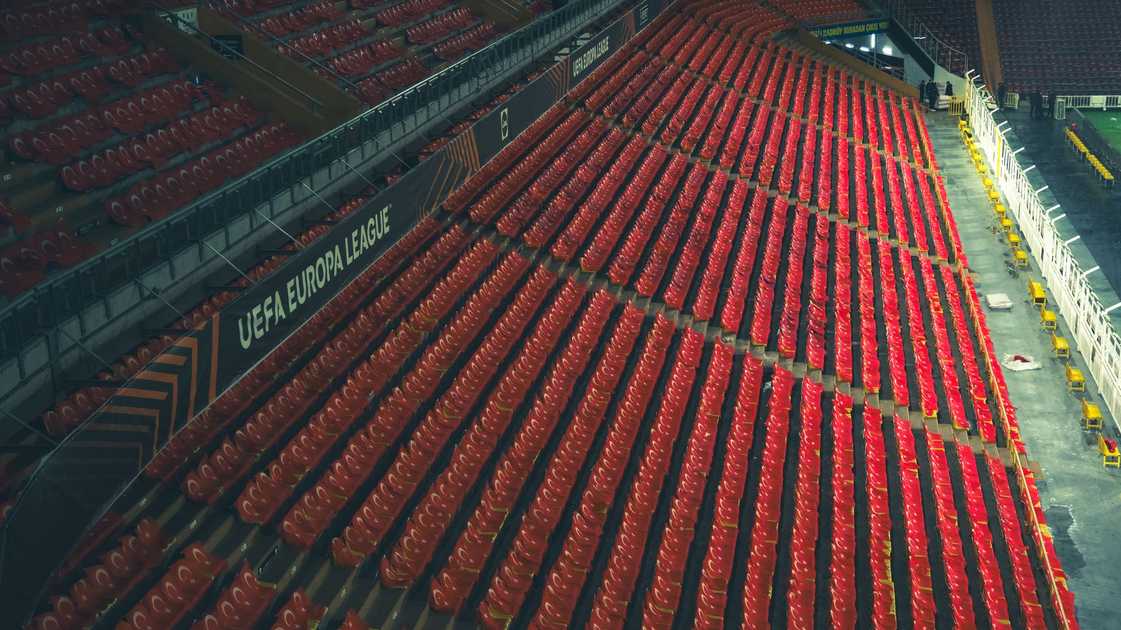
Photographs and broadcast footage from several early World Cup 2026 matches have shown visibly empty sections in some host stadiums, prompting questions from fans, journalists, and commentators about how a tournament with a global audience of billions and fierce demand for tickets can produce partially empty arenas for World Cup matches. The answer is more complex than simple demand failure, and understanding it reveals the specific dynamics of major sports event ticket distribution that consistently create this seemingly paradoxical outcome.
The empty seat phenomenon at major sporting events is almost entirely an artifact of ticket distribution structure rather than insufficient demand. Tickets for World Cup matches are allocated through a complex multi-party system that distributes seats among national football associations (whose representatives may not always use full allocations), corporate hospitality packages (whose buyers include companies that use the tickets as client entertainment and don’t always fill every seat), official travel package operators, media accreditation (which holds seats near broadcast positions), and finally the general public through ballot systems. When corporate buyers, association officials, or travel operators don’t deploy all their allocations to people who will actually attend, empty seats result even when millions of individual fans were unsuccessful in public ticket ballots.
The Corporate Hospitality Problem
A significant portion of every FIFA World Cup match’s seating inventory is allocated to corporate sponsors and hospitality programs. These packages are extremely expensive (typically $5,000-$25,000+ per person for premium matches) and are sold primarily to multinational corporations that use the World Cup as a premium client entertainment event. When client entertainment needs don’t materialize – when the invited client cancels, when the corporate representative’s plans change, when the hospitality company itself oversells packages without adequate attendance infrastructure – seats remain empty despite having been sold and paid for.
- FIFA’s corporate partners (official sponsors including Adidas, Coca-Cola, Visa, Hyundai, and others) each receive significant ticket allocations as part of their sponsorship agreements. The exact size of these allocations is not publicly disclosed, but they collectively represent a substantial share of each match’s capacity.
- National football associations receive allocations both to support their team’s supporters and to sell through their own commercial programs. Associations whose teams have limited traveling fan bases (some African and Asian national teams) may not always deploy their full allocations efficiently.
- The resale market dynamics create perverse incentives: corporate ticket holders who cannot use seats may prefer to leave them empty rather than navigate the complexities of official resale programs, particularly for matches that don’t generate secondary market prices that justify the administrative effort of resale.
- FIFA introduced a formal unused ticket return program for 2026 that allows ticket holders to return unused tickets for redistribution through official channels in the 48 hours before a match. Whether this program is effectively eliminating empty seats in practice depends on participation rates and administrative efficiency that vary by match and venue.
Group Stage vs. Knockout Match Dynamics
The empty seat phenomenon is concentrated in group stage matches, particularly those involving teams with limited international fan bases or matches in venues far from the natural supporter geography of both competing nations. Knockout matches involving teams with large, passionate international fan bases (Brazil, Argentina, England, Germany, France) consistently show strong attendance utilization. The group stage matches involving smaller nations in US cities far from their diaspora communities are the most vulnerable to empty seat situations.
What FIFA Is Doing About It
FIFA has faced this criticism at every World Cup and European Championship for decades. The structural problem is that the commercial relationships that generate the tournament’s enormous revenue – corporate sponsorship, broadcast deals, official hospitality – require ticket allocations to sponsors and partners that are not always fully deployed to attend matches. Solving the empty seat problem completely would require reducing corporate allocations in ways that would jeopardize the commercial relationships FIFA depends on financially, creating a structural tension that has never been fully resolved.

Trust Post Desk
A journalist and editor at TrustPost.org covering world and national news, technology updates and human-interest stories. They check every fact, interview sources in person or online, and aim to deliver clear, accurate reporting. Their work ranges from breaking news to in-depth features and daily newsletters. Outside the newsroom, they follow emerging trends and engage with readers on social media.