The 113th edition of the Tour de France begins on Saturday in Lille, northern France, sending 176 riders representing 22 teams on a 21-stage, 3,400-kilometre journey through France’s most spectacular landscapes that will conclude with the traditional stage finish on the Champs-Elysees on July 6. This year’s edition has been described by race organisers as one of the most demanding in decades, featuring 52,000 metres of total climbing across a route that includes seven mountain stages in the Pyrenees and Alps, six individual time trial kilometres distributed across two dedicated TT stages, and a controversial new cobblestone stage in Stage 5 that pays homage to the Paris-Roubaix classic and that race director Thierry Gouvenou has described as deliberately designed to shake up the general classification before the mountain stages begin.
The general classification battle – the competition for the overall race victory, decided on cumulative time across all 21 stages – features a depth of contenders that cycling analysts are describing as the most competitive since the golden years of the early 2010s rivalry between Chris Froome and Alberto Contador. Tadej Pogacar, the Slovenian three-time champion who has dominated Grand Tour cycling since his 2020 Tour debut, is the overwhelming pre-race favourite, but the field assembled to challenge him is stronger than in previous years, with Jonas Vingegaard returning from a serious crash earlier in the season ahead of schedule and looking, by his form in recent tune-up races, to be at or close to the level he showed when he beat Pogacar in the 2022 and 2023 Tours. The question of whether either Vingegaard or any of the other credible contenders can challenge Pogacar in the mountain stages that have historically decided the race is the central tactical and athletic question of this year’s edition.
The Favourites for Overall Victory
- Tadej Pogacar (UAE Team Emirates): Three-time Tour champion, winner of the 2025 Tour with more than four minutes to spare. His combination of climbing ability, time trial strength and tactical intelligence makes him the benchmark against which all other contenders must measure themselves. The betting markets have him at approximately 4/7 to win a fourth title.
- Jonas Vingegaard (Visma-Lease a Bike): The 2022 and 2023 Tour champion suffered a crash in April that required hospitalisation and raised questions about whether he would start. His return to form in June tune-up races has been impressive, and his team – which builds its entire programme around the Tour de France – has been preparing since January for exactly this race. Odds approximately 5/2.
- Remco Evenepoel (Soudal Quick-Step): The Belgian prodigy is entering his third Tour de France with form that suggests he could challenge for a podium finish, and if either of the two pre-race favourites has a bad day in the mountains or loses time to a crash or mechanical, Evenepoel has the time trial ability to capitalise. Odds approximately 10/1.
- Primoz Roglic (Red Bull-Bora-Hansgrohe): The experienced Slovenian has exceptional record at the Tour despite never winning it, and at 36 he is approaching the end of the years in which Grand Tour victory is realistic. His team has built around him as a genuine leader for the first time, and his motivation for this year’s race is reported to be extremely high. Odds approximately 18/1.
The Route: Key Stages
The race’s opening week features terrain that should benefit the sprinters and the breakaway specialists before the cobblestone stage on Day 5 introduces the first general classification drama of the race. The Pyrenean stages in Week 2 – particularly the back-to-back mountain finishes in Stages 10 and 11, which include summit finishes at two of the most celebrated Tour climbs – will provide the first major tests for the general classification contenders and are likely to produce the race’s first significant time gaps. The Alpine stages in Week 3, culminating in the queen stage to L’Alpe d’Huez on Stage 19, are where Pogacar has historically inflicted the most damage on his rivals and where the race is most likely to be definitively decided.
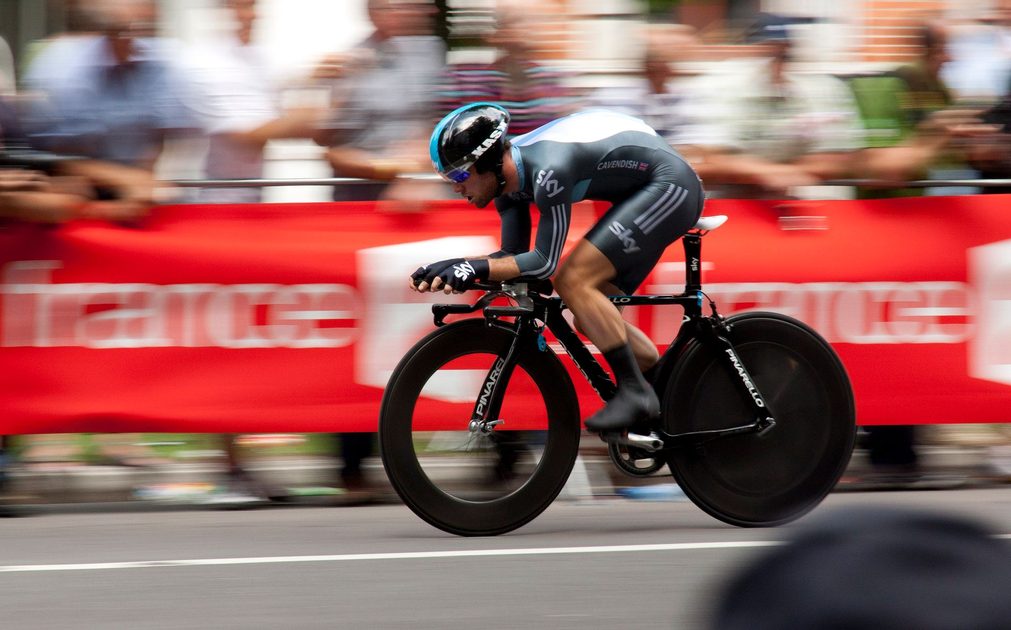
The individual time trial stages – Stage 7 (22km) and Stage 16 (42km) – will be closely watched for what they reveal about the relative form of the general classification contenders. Pogacar’s time trial ability has been one of the decisive factors in his Tour victories, and the 42-kilometre Stage 16 TT, which arrives after the most demanding Pyrenean stages, will test whether the riders who may have matched him in the mountains can also compete with him against the clock. Vingegaard, who won the 2022 and 2023 Tours partly through exceptional time trial performances, must demonstrate that his crash recovery has not affected his power output on flat terrain if he is to mount the overall challenge his form in June tune-up races has suggested is possible.
Sprint Battles and Stage Hunting
The general classification battle will dominate media coverage of this year’s Tour, but the sprint and stage-hunting competitions offer their own compelling narratives for fans who watch for the full texture of the race rather than just the overall classification battle. Jasper Philipsen, the Belgian sprinter who won five stages last year, returns as the favourite for the green jersey competition and heads a sprint field that includes several riders capable of winning on the flat stages if Philipsen’s Alpecin-Deceuninck team does not deliver him to the line in position. The polka-dot mountain jersey competition – awarded to the best climber – has historically been less predictable than the sprinter’s green jersey and frequently goes to an attacking breakaway specialist rather than one of the general classification contenders, and this year’s field of climbers likely to contest that competition is among the strongest in recent memory.
The Tour de France remains the most watched annual sporting event in France and one of the most followed in Europe, with the race’s daily television audience across its 21 stages reaching into the tens of millions and its social media coverage generating more content than almost any other cycling event in the world. For casual fans approaching the race for the first time, the accessibility of live streaming coverage – available through dedicated cycling platforms and in many countries through free-to-air broadcasters – has never been better, and the narrative of the Pogacar-Vingegaard rivalry provides the kind of compelling individual contest that draws audiences who might not otherwise follow professional cycling. Whether that rivalry produces the close battle that this year’s route seems designed to create, or whether Pogacar once again demonstrates the uncanny superiority he has shown for most of the past four years, is the question that 176 riders, 22 team directors and millions of spectators will be watching to answer across the next three weeks.

Trust Post Desk
A journalist and editor at TrustPost.org covering world and national news, technology updates and human-interest stories. They check every fact, interview sources in person or online, and aim to deliver clear, accurate reporting. Their work ranges from breaking news to in-depth features and daily newsletters. Outside the newsroom, they follow emerging trends and engage with readers on social media.