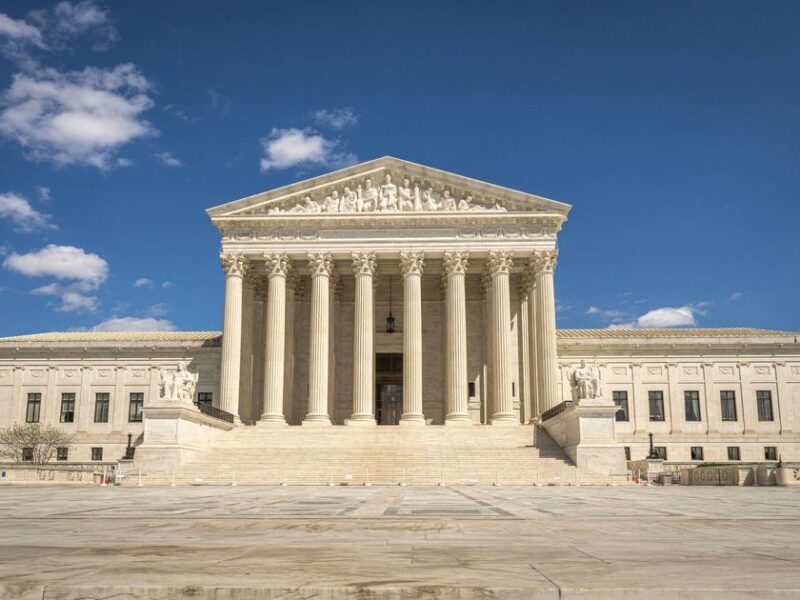
A significant court decision involving California Attorney General Rob Bonta and parental rights claims has generated substantial legal and political attention for its implications about the scope of parental authority over children’s lives and the boundaries of state authority to establish standards in educational and institutional settings that override parental preferences. The ruling, depending on its specific grounds and scope, represents either a significant affirmation or limitation of the parental rights legal framework that conservative advocacy organizations and some progressive civil rights groups have been developing as a constitutional principle in state and federal courts.
Parental rights litigation has accelerated significantly since 2022, driven by disputes over school curriculum, library materials, gender-related policies in educational settings, and the competing claims of parents who assert constitutional rights to direct their children’s upbringing against institutional actors who assert professional authority over educational and medical decisions. These disputes have reached state and federal courts across the country, generating a body of case law that is still being developed without a definitive Supreme Court resolution of the fundamental constitutional questions.
The Legal Framework of Parental Rights
Parental rights claims are grounded in the Due Process Clause of the Fourteenth Amendment, which the Supreme Court has interpreted as protecting certain fundamental rights against government interference without adequate justification. The constitutional right of parents to direct the upbringing and education of their children was recognized by the Supreme Court in Meyer v. Nebraska (1923) and Pierce v. Society of Sisters (1925), though subsequent cases have established that this right is not absolute and must be balanced against state interests in children’s welfare and education.
- The scope of parental rights as a constitutional matter has not been definitively established by the Supreme Court since the early 20th century cases, leaving lower courts to apply general substantive due process principles to specific contemporary disputes.
- California law has historically given significant weight to institutional professional judgment in educational settings and has enacted statutes that create specific frameworks for students’ rights in schools that some parents argue insufficiently account for parental authority.
- The Bonta decision’s specific holding will determine whether it provides a precedent applicable to other cases or whether it turns on factual circumstances specific to the case.
- Conservative legal advocacy organizations have been pursuing parental rights claims as part of a systematic litigation strategy, and decisions in significant cases like this one become part of that broader strategic portfolio.
What the Ruling Means Practically
For California parents, the ruling’s practical implications depend on its specific scope. A ruling that broadly validates parental rights claims against California educational policies would create obligations for schools and districts to accommodate parental preferences in ways that current practice does not. A ruling that upholds California’s institutional authority framework would confirm the existing balance of power between parental preference and institutional professional judgment. Either outcome will be appealed, meaning the current ruling represents a step in ongoing litigation rather than a final resolution.

Trust Post Desk
A journalist and editor at TrustPost.org covering world and national news, technology updates and human-interest stories. They check every fact, interview sources in person or online, and aim to deliver clear, accurate reporting. Their work ranges from breaking news to in-depth features and daily newsletters. Outside the newsroom, they follow emerging trends and engage with readers on social media.