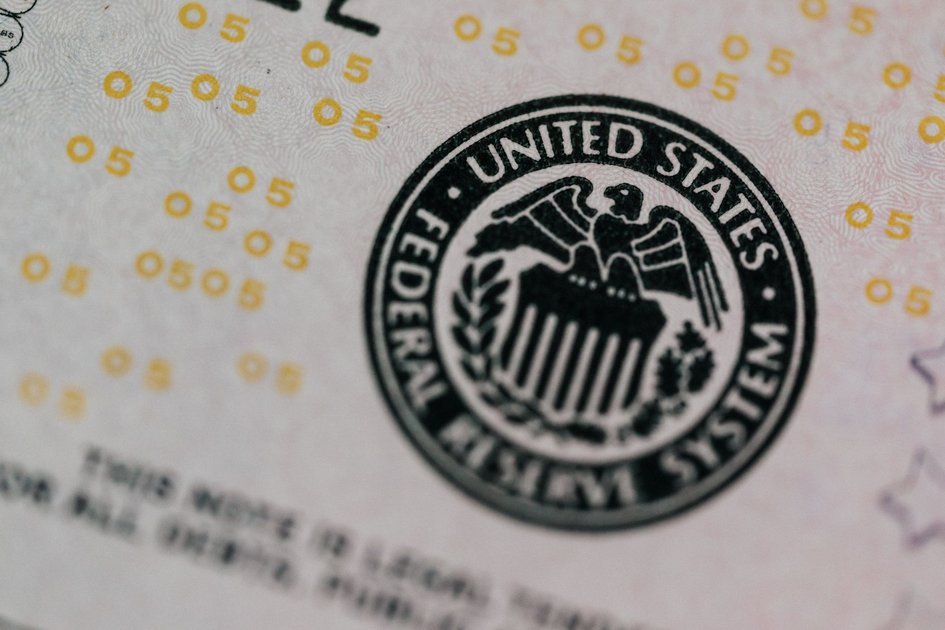
The Federal Reserve voted unanimously on Wednesday to hold the federal funds rate steady at its current target range of 4.25 to 4.50 percent at the conclusion of the June 2026 Federal Open Market Committee meeting, maintaining the central bank‘s cautious stance on monetary policy as policymakers continue to assess the trajectory of inflation and employment data ahead of any decision to resume easing.
Fed Chair Jerome Powell, speaking at the post-meeting press conference, emphasized that the committee remains data-dependent and is in no hurry to cut rates further given that inflation, while declining from its 2022 peak, has proven more persistent in the services sector than initial projections suggested. “We are committed to returning inflation sustainably to our 2 percent target,’ Powell said. ‘The economy is performing well, and the current stance of monetary policy is appropriate.” The decision was in line with the expectations of the vast majority of Wall Street economists surveyed ahead of the meeting.
The Fed’s updated Summary of Economic Projections, commonly called the dot plot, showed that the median committee member now expects one rate cut of 25 basis points before the end of 2026, down from the two cuts projected in March. Six of the 19 FOMC members now see no cuts in 2026 at all, reflecting the growing camp of officials who believe that monetary policy is not currently overly restrictive given the continued strength of consumer spending and the labor market. The unemployment rate, which held at 4.1 percent in May 2026, remains near its historically low range, and monthly payroll additions, while slower than the pace of 2024, have continued to exceed the level needed to keep pace with labor force growth.
Inflation data was the central focus of the committee’s deliberations. The Personal Consumption Expenditures price index, the Fed’s preferred inflation gauge, showed headline inflation at 2.6 percent year-over-year in April 2026, the most recent reading available, while core PCE excluding food and energy stood at 2.8 percent. Both readings are above the Fed’s 2 percent target, though the trend has been gradually downward since mid-2024. Powell acknowledged that the ‘last mile’ of disinflation has been slower than hoped, particularly in shelter costs and some services categories, but expressed confidence that inflation would continue to move toward target over time.
Financial markets reacted calmly to the decision, which had been widely anticipated. The S&P 500 edged up 0.3 percent following the announcement, Treasury yields were little changed, and the dollar index was broadly flat. CNBC noted that markets have largely priced out the possibility of a rate cut before the September meeting, with fed futures contracts implying only a 22 percent probability of a cut at the July FOMC meeting. Bloomberg reported that Goldman Sachs revised its forecast following the meeting to expect the first cut of this cycle in September, while JPMorgan maintained its projection of one cut in December.
The Fed’s decision comes against a backdrop of continued uncertainty about the global economic outlook. Trade policy remains a source of volatility, with the new tariff structure that took effect earlier in 2026 still working its way through supply chains and business investment decisions. Powell noted that the committee is monitoring both the direct price effects of tariffs and the indirect effects on inflation expectations, while emphasizing that the Fed’s response function will depend on the totality of data rather than any single input. Several FOMC members flagged upside risks to inflation from trade policy in their individual projections. Reuters reported that the minutes of the June meeting, to be released in three weeks, are likely to show significant discussion of the tariff uncertainty and its implications for the inflation outlook.
The next FOMC meeting is scheduled for July 29 to 30, 2026, followed by the Fed’s annual Jackson Hole economic symposium in late August, which will provide another opportunity for the chair to signal the direction of policy. Market participants will be watching the June and July CPI and PCE readings closely, as well as any further developments in the labor market, to calibrate expectations for the pace of eventual rate reductions. The Fed’s communication in the weeks ahead will be carefully parsed for any shifts in tone that could signal a change in the committee’s assessment of when conditions will be appropriate for the next rate adjustment.

Trust Post Desk
A journalist and editor at TrustPost.org covering world and national news, technology updates and human-interest stories. They check every fact, interview sources in person or online, and aim to deliver clear, accurate reporting. Their work ranges from breaking news to in-depth features and daily newsletters. Outside the newsroom, they follow emerging trends and engage with readers on social media.