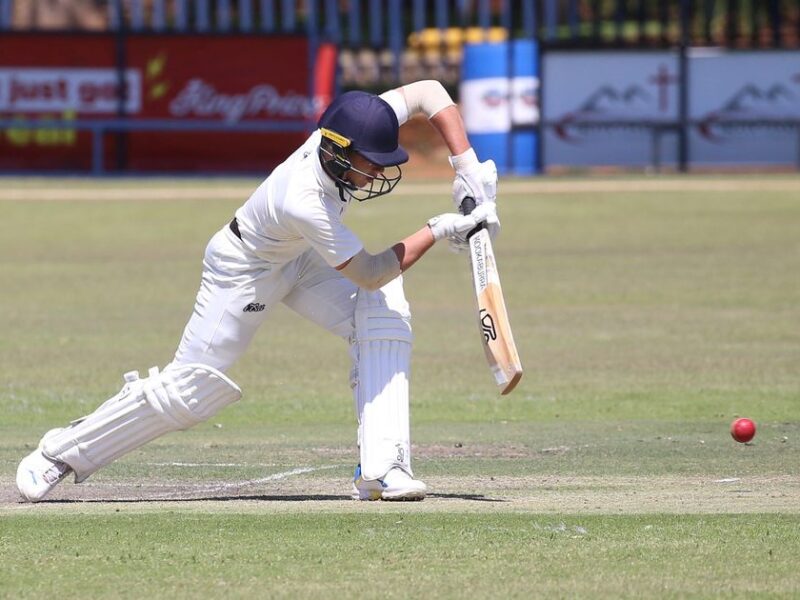
Iran’s national football team faced an abrupt and politically charged exit from the United States yesterday, just hours after securing a 2-2 draw against New Zealand in their opening FIFA World Cup 2026 match at Los Angeles Stadium in Inglewood, California. Coach Amir Ghalenoei expressed significant frustration, confirming the team was ordered to immediately return to their training base in Tijuana, Mexico, denying them crucial recovery time after the intense game.
This sudden expulsion underscores the volatile geopolitical backdrop against which Iranian sports currently operate, directly linked to the ongoing U.S.-Iran diplomatic efforts. The incident occurred as both nations announced a memorandum of understanding to end hostilities, a deal expected to be formally signed this Friday, June 19, 2026, amidst conflicting claims over its financial implications and regional stability.
Iran’s World Cup Team Faces Immediate Departure After Draw
The Iranian squad, having played to a thrilling 2-2 draw with New Zealand on Monday night, was expecting to remain in California for essential post-match recovery. However, Coach Ghalenoei revealed through an interpreter that the team was told to ‘leave immediately’ for the 140-mile journey back to Tijuana.
Ghalenoei highlighted the severe impact on player welfare, stating, “They didn’t even give us time to recover. It’s very important for us to have time for recovery, but we are asked to get on a plane and return to our camp in Tijuana, and we are really troubled by that.” This unexpected order casts a shadow over Iran’s participation in the tournament, which has been in upheaval since the U.S.-Israel war against Iran began on February 28, 2026.
FIFA had previously rejected Iran’s request to relocate its three group-stage matches out of the United States, forcing the team to compete despite the heightened political tensions. The immediate departure after their opening match, which saw some standout goals, adds another layer of complexity to their World Cup campaign, impacting player morale and preparation for subsequent games.
The team’s situation is a stark reminder of how global politics can directly interfere with sporting events, creating unique challenges for athletes. While fans eagerly follow the live football on TV today, the Iranian team’s experience highlights the pressures beyond the pitch.
U.S.-Iran Deal Progresses Amidst Regional Tensions
In a significant diplomatic development, the United States and Iran electronically signed a memorandum of understanding (MOU) over the weekend, aiming to end months of deadly conflict in the Middle East. A formal signing ceremony is anticipated for Friday, June 19, 2026, with Vice President JD Vance, Jared Kushner, and U.S. special envoy Steve Witkoff expected to attend.
The agreement, described by Vice President Vance as a ‘very general document’ spanning about 1.5 pages, outlines a 60-day window for further technical negotiations. Key immediate outcomes include an extension of the U.S.-Iran ceasefire, the reopening of the Strait of Hormuz, and an end to the U.S. naval blockade on Iranian ports. President Trump stated that the vital oil route would be ‘completely open’ by Friday, a crucial step towards stabilizing global energy markets.
However, points of contention have already emerged, particularly regarding sanctions relief. Iran’s powerful Major Guard claimed the country would receive half of its roughly 24 billion USD in long-frozen funds before final negotiations begin. Conversely, U.S. officials, including Vice President Vance, asserted that Iran would receive none of the money until it demonstrates compliance with the deal’s terms, dismissing Iranian claims as potentially from ‘hardliners’ seeking to appeal to a domestic audience.
The delicate nature of the agreement was further highlighted by security incidents yesterday. Two Iranian drones were shot down last night, according to a U.S. official. Separately, Iranian media reported that its military had stopped a tanker from passing through the Strait of Hormuz, even as the U.S. and Iran announced that ship traffic was starting to resume through the critical waterway. These events underscore the fragility of the ceasefire and the challenges in implementing the new understanding.
The full text of the memorandum of understanding is expected to be released in the next 24 to 48 hours, though President Trump suggested it might not be public until after Friday’s signing ceremony. This lack of immediate transparency has drawn criticism from figures like Senate Minority Leader Chuck Schumer, who emphasized that ‘the devil is in the details’ and called for immediate briefings to Congress and the public.
Conflicting Interpretations and Regional Implications
The U.S.-Iran agreement, while hailed as a step towards peace, faces significant hurdles due to differing interpretations and regional complexities. Israeli Prime Minister Benjamin Netanyahu stated that Israel is not bound by the agreement concerning its fight with Hezbollah or the withdrawal of forces from Lebanon. This directly contradicts claims from President Trump, Pakistani mediators, and Iran, who indicated the deal includes a cessation of hostilities on all fronts, including Lebanon.
A senior U.S. official clarified that Israel’s withdrawal from Lebanon is not a condition of the MOU, emphasizing that the agreement is a ceasefire to which all sides are expected to abide. This means Israel retains the right to defend itself if Hezbollah attacks Israeli positions or towns, highlighting the precarious balance of power in the region. The war in Lebanon, which erupted on March 2, 2026, has devastated cities like Nabatieh, leaving residents like Kamal Kamal mourning destroyed homes and livelihoods, despite the broader ceasefire framework.
Nuclear talks are prioritized within the initial 30 days of the 60-day negotiation window. U.S. officials aim to address Iran’s nuclear program and secure assurances against weapon development and funding of radicalism. Vice President Vance indicated that significant sanctions relief could follow if Iran meets its obligations, but stressed that such relief is conditional. Iran, however, stated last week that negotiations would only cover nuclear issues, excluding its ballistic missile program and support for groups like Hamas and Hezbollah, which remain major concerns for the U.S.
The financial aspects of the deal also remain contentious. While Iran’s Major Guards spoke of 300 billion USD for postwar reconstruction, President Trump dismissed reports of the U.S. paying this amount as ‘Fake News.’ Vice President Vance did not rule out a reconstruction fund but suggested it would be paid for by Gulf allies, contingent on Iran honoring its obligations. As of today, no frozen assets have been released to Iran, with U.S. officials indicating any unfreezing would occur in phases as ‘small gestures’ contingent on Iranian reciprocation.

Trust Post Desk
A journalist and editor at TrustPost.org covering world and national news, technology updates and human-interest stories. They check every fact, interview sources in person or online, and aim to deliver clear, accurate reporting. Their work ranges from breaking news to in-depth features and daily newsletters. Outside the newsroom, they follow emerging trends and engage with readers on social media.