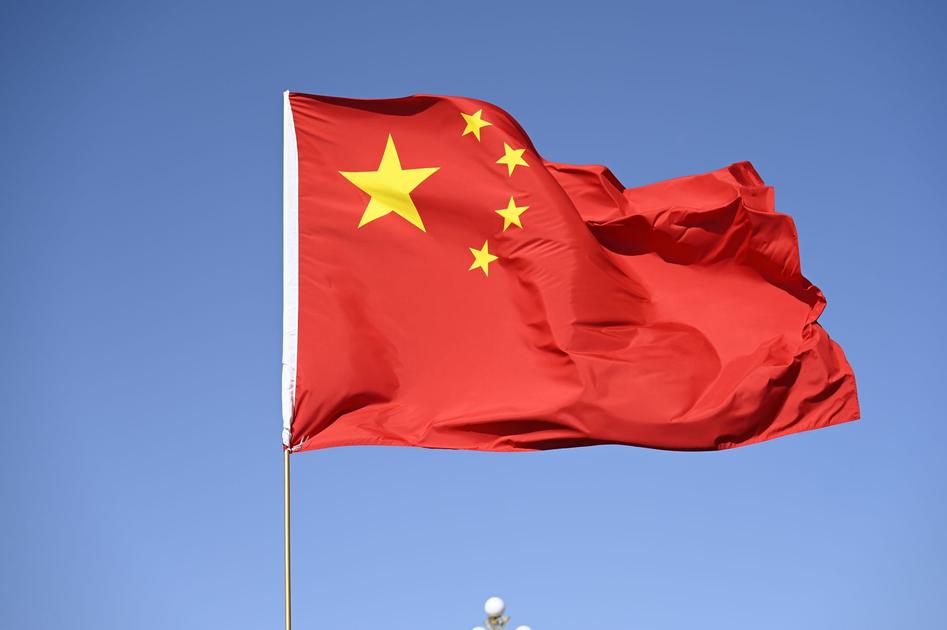
Chinese President Xi Jinping and his wife Peng Liyuan arrived in Pyongyang on June 8, 2026, for a two-day state visit to North Korea – Xi’s second state visit to the country and his first since June 2019, marking seven years and seven meetings between the two leaders who together represent the leadership of the world’s two remaining major communist states. Xi was received at Pyongyang International Airport by North Korean Supreme Leader Kim Jong Un and his wife Ri Sol-ju, a protocol befitting a visit that both sides characterized as a landmark event in the history of the China-North Korea bilateral relationship. The visit coincided with the 65th anniversary of the Treaty of Friendship, Co-operation and Mutual Assistance between China and North Korea – the foundational legal document of the bilateral relationship signed on July 11, 1961 – adding a historical resonance to Xi’s arrival that Pyongyang’s state media highlighted extensively in its coverage of the visit.
The itinerary of Xi’s two-day visit combined formal diplomatic events with symbolic gestures designed to communicate the depth of the bilateral relationship to domestic audiences in both countries. On June 8, Xi and Kim attended a welcome ceremony at Kim Il Sung Square, the central plaza of Pyongyang that serves as the primary venue for state ceremonies, where Xi inspected honor guards alongside Kim and was welcomed by the Korean People’s Army. A state banquet at Mokran House and a visit to an artistic performance at the Pyongyang Gymnasium completed the first day’s program. On June 9, Xi and Kim visited the Sino-Korean Friendship Tower, a monument to the Chinese People’s Volunteer Army soldiers who fought and died in the Korean War on the North Korean side, and the Central Cadres Training School of the Workers’ Party of Korea. The Friendship Tower visit was a deliberate invocation of the blood-ties narrative that defines the China-North Korea relationship’s emotional core: the sacrifice of Chinese soldiers in the Korean War is the foundational memory that Chinese leaders invoke when they want to signal the depth of commitment to the partnership that neither side’s more recent pragmatic calculations can diminish.
Strategic Context: Why Xi Visited Now
Xi’s visit to North Korea in June 2026 came in a geopolitically charged regional environment. The US-China relationship, while somewhat stabilized by the May 2026 Trump-Xi Beijing summit, remained characterized by fundamental competition in technology, trade, and strategic influence across Asia. North Korea occupies a unique position in China’s strategic calculus: a buffer state on China’s border that prevents direct US military presence in the Korean peninsula north of the DMZ, a diplomatic wildcard that creates leverage for Beijing in its dealings with Washington, and a liability whose nuclear and missile programs create international pressure that complicates China’s diplomatic positioning. Xi’s decision to visit Pyongyang less than three weeks after the Trump-Xi summit – a timeline that makes the visit look like a deliberate signal to Washington about China’s strategic relationships – may reflect Beijing’s interest in demonstrating that the bilateral summit’s dialogue does not constrain China’s traditional partnerships. North Korea’s own situation in 2026, with Kim presiding over a country that has continued ballistic missile and satellite launch programs while negotiating the humanitarian implications of ongoing international sanctions, provided a context in which Chinese engagement offered Pyongyang both diplomatic cover and a statement of strategic support that the ongoing US-China technology rivalry makes Beijing view as important to maintain.

Trust Post Desk
A journalist and editor at TrustPost.org covering world and national news, technology updates and human-interest stories. They check every fact, interview sources in person or online, and aim to deliver clear, accurate reporting. Their work ranges from breaking news to in-depth features and daily newsletters. Outside the newsroom, they follow emerging trends and engage with readers on social media.