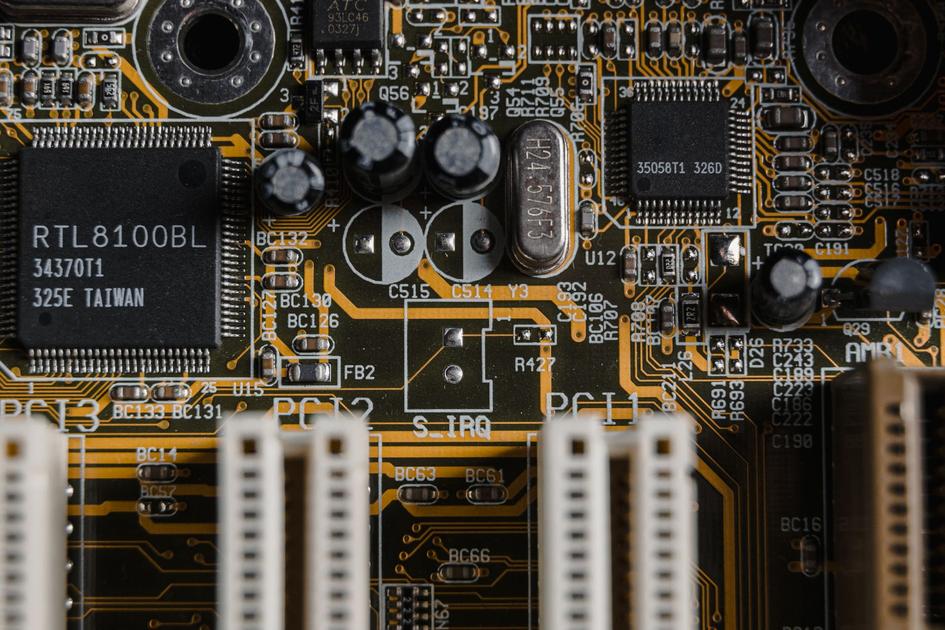
The competition between China’s drive for semiconductor self-sufficiency and the US-led coalition’s effort to maintain technology leadership through export controls on advanced chip manufacturing equipment intensified in 2026, with significant developments on both sides of the divide that will shape the global technology landscape for a decade or more. China’s domestic semiconductor industry, centered on SMIC and a growing ecosystem of chip design and manufacturing companies backed by the National Integrated Circuit Industry Investment Fund, continued making progress in manufacturing at 7 nanometer and 5 nanometer nodes using equipment and techniques that work around the restrictions on the most advanced lithography machines – particularly ASML’s extreme ultraviolet lithography tools, which the Netherlands has restricted from export to China under pressure from the United States and European security partners. The progress at SMIC and other Chinese chip manufacturers demonstrates that export controls slow but do not halt China’s semiconductor advancement, and that the gap between Chinese and leading-edge Taiwanese, Korean, and American chip manufacturing is narrowing – slowly, but measurably.
On the allied side of the semiconductor competition, the US, Japan, and Netherlands implemented additional export control measures in 2026 targeting Chinese acquisition of equipment, materials, and design software for advanced chip manufacturing. Japan’s controls on semiconductor manufacturing equipment were among the most significant, given that companies like Tokyo Electron are critical suppliers of deposition, etching, and cleaning equipment used in chipmaking worldwide – including in Chinese fabs. South Korea’s addition of memory chip technology to export control frameworks in 2026 reflected the trilateral coordination of the US-Japan-South Korea technology alliance working to limit Chinese access to the full stack of semiconductor manufacturing capability. Taiwan Semiconductor Manufacturing Company, whose fabs in Taiwan produce virtually all of the world’s most advanced logic chips on behalf of NVIDIA, Apple, AMD, Qualcomm, and other fabless designers, occupies the most geopolitically precarious position in the global semiconductor industry: an irreplaceable supplier whose Taiwan location makes it the prize that Beijing most covets in any Taiwan contingency scenario and whose disruption would devastate the world’s most important technology supply chains simultaneously. The Taiwan Strait tensions and China’s maritime law enforcement operations around Taiwan are therefore not merely territorial disputes but strategic pressure on the geography that hosts humanity’s most critical manufacturing facility.

Trust Post Desk
A journalist and editor at TrustPost.org covering world and national news, technology updates and human-interest stories. They check every fact, interview sources in person or online, and aim to deliver clear, accurate reporting. Their work ranges from breaking news to in-depth features and daily newsletters. Outside the newsroom, they follow emerging trends and engage with readers on social media.