China’s Foreign Ministry announced on June 11, 2026 that Beijing was imposing targeted sanctions on Philippines Defense Secretary Gilberto Teodoro Jr., freezing assets he holds within Chinese jurisdiction, barring Chinese citizens and institutions from conducting transactions with him, and restricting his travel to mainland China, Hong Kong, and Macao. The sanctions were characterized as a “countermeasure” against Teodoro’s public statements criticizing China’s activities in the South China Sea – including his characterizations of China’s behavior at Scarborough Shoal as threatening to regional stability and inconsistent with international law. Teodoro acknowledged the sanctions in social media posts that framed them as confirmation that his criticism of China’s South China Sea conduct was effective and appropriate, expressing that being sanctioned by China for defending the Philippines’ rights was something he considered a mark of honor rather than a deterrent.
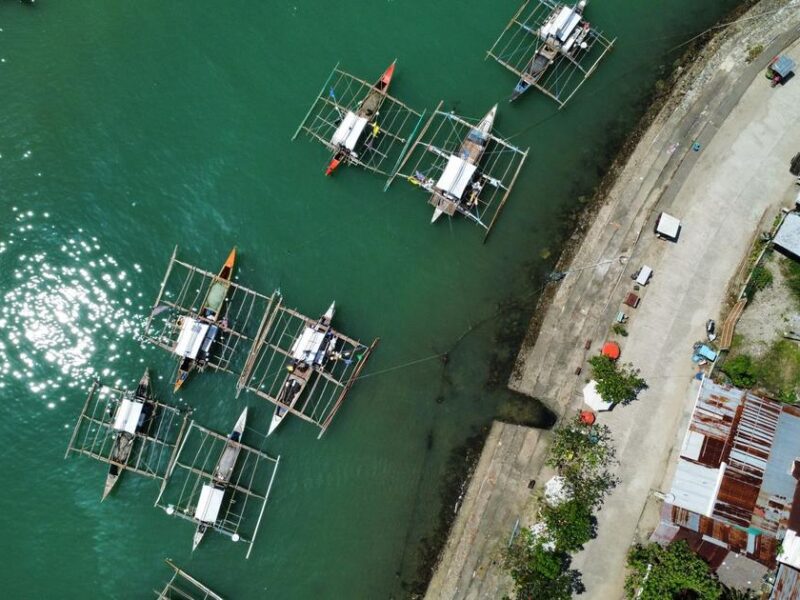
China’s use of targeted individual sanctions against foreign officials who criticize its policies has become an increasingly common diplomatic tool, deployed against members of the US Congress, European Parliament, and other legislative bodies who have taken positions on Taiwan, Xinjiang, Hong Kong, or the South China Sea. The sanctions against Teodoro mark the most prominent application of this tool against a serving Southeast Asian defense minister. ASEAN foreign ministers, who operate under a consensus principle that typically prevents collective positions on disputes between member states and external parties, were placed in an awkward position – several ASEAN members have their own South China Sea disputes with China and view the sanctions against Teodoro as potentially applicable to their own officials who speak plainly about Chinese activities in disputed waters. The Scarborough Shoal floating barrier that prompted Teodoro’s criticism was itself an escalation that ASEAN observers viewed with alarm, making China’s sanctions response a compounding factor in regional assessments of Beijing’s willingness to use coercive tools against Southeast Asian governments.

Trust Post Desk
A journalist and editor at TrustPost.org covering world and national news, technology updates and human-interest stories. They check every fact, interview sources in person or online, and aim to deliver clear, accurate reporting. Their work ranges from breaking news to in-depth features and daily newsletters. Outside the newsroom, they follow emerging trends and engage with readers on social media.