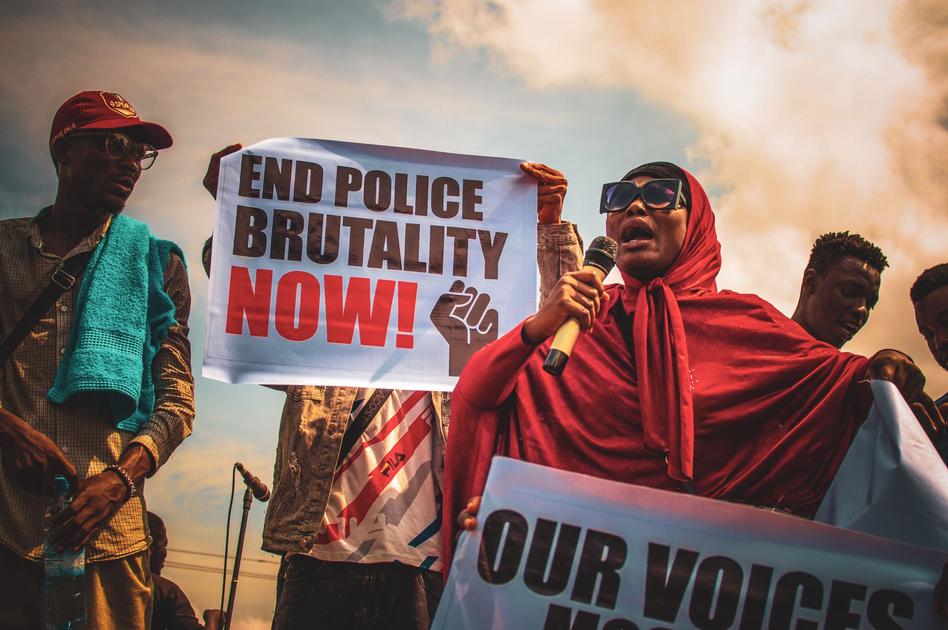
Xenophobic violence in and around Durban in South Africa’s KwaZulu-Natal province in June 2026 displaced more than 3,000 Malawian nationals, killed at least 5 Mozambican citizens, and prompted urgent diplomatic communications between Pretoria and the governments of both Malawi and Mozambique, as South Africa continued to struggle with a pattern of anti-immigrant violence that human rights organizations have documented as recurring with devastating regularity in communities facing high unemployment and competition for scarce economic resources. The violence, which began with attacks on informal traders and informal settlement residents identified as foreign nationals in KwaZulu-Natal townships, spread to other provinces and was characterized by arson of homes and businesses, looting, physical assaults, and in the most serious cases, killings that police were slow to contain in areas where local community members participated in or passively supported the attacks.
South Africa hosts one of the largest populations of migrants and refugees in sub-Saharan Africa – estimates range from 2 to 4 million undocumented migrants, with substantial additional populations of formally documented migrants and asylum seekers from Zimbabwe, Mozambique, Malawi, Lesotho, Nigeria, and other countries across the continent. The presence of large numbers of foreign nationals in South African communities, combined with South Africa’s extraordinarily high unemployment rate of approximately 32 percent (by the official narrow definition) and the severe failures of public service delivery that characterize many townships, creates a context in which unscrupulous political actors and community leaders can mobilize xenophobic sentiment by blaming foreigners for taking jobs, driving crime, and consuming resources that South Africans need. President Cyril Ramaphosa and the African National Congress government have consistently condemned xenophobic violence and characterized it as unacceptable, but critics note that the government’s responses have been slow and inadequate, that legal consequences for perpetrators have been rare, and that the underlying policy and economic conditions that generate xenophobic violence – high unemployment, poor service delivery, weak law enforcement in townships – have not been addressed effectively. Nigeria organized the emergency repatriation of approximately 260 Nigerian nationals from South Africa in June 2026 amid the violence, using government-chartered aircraft to bring citizens home from what Nigerian officials described as an unacceptable security situation for West African migrants in South Africa.

Trust Post Desk
A journalist and editor at TrustPost.org covering world and national news, technology updates and human-interest stories. They check every fact, interview sources in person or online, and aim to deliver clear, accurate reporting. Their work ranges from breaking news to in-depth features and daily newsletters. Outside the newsroom, they follow emerging trends and engage with readers on social media.