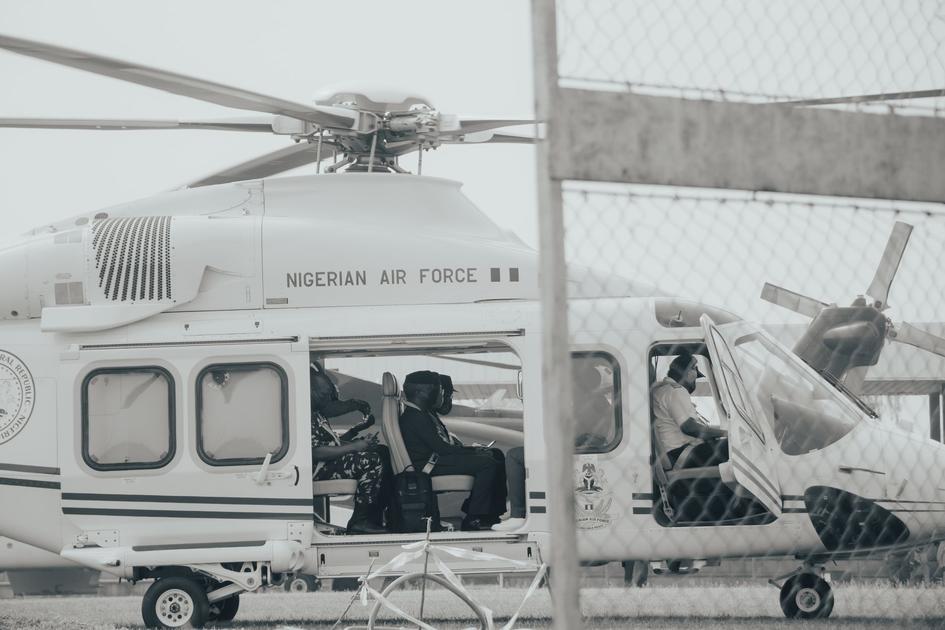
Nigerian security forces announced on June 7, 2026 the rescue of 360 hostages who had been held captive by Boko Haram militants in the Mandara Mountains along the Nigeria-Cameroon border, in one of the largest single hostage rescue operations in the 17-year history of Nigeria’s counter-insurgency campaign against the jihadist group and its splinter factions. The rescued hostages comprised 209 children, 135 women, and 6 men, according to the Nigerian Army’s statement, with many of the captives having been held for periods ranging from several months to multiple years and coming from communities in Borno, Adamawa, and Yobe states that have borne the greatest burden of Boko Haram’s campaign of kidnapping, village attacks, forced marriage, and conscription of children into its ranks since 2009. The operation, which the army described as a coordinated intelligence-led effort involving ground forces and aerial surveillance, was conducted in the rugged mountainous terrain on the northern border between Nigeria and Cameroon that Boko Haram and its primary splinter group, the Islamic State West Africa Province (ISWAP), have used as a refuge when under military pressure in the Lake Chad basin’s flatlands.
The June 7 rescue was welcomed by President Bola Tinubu’s government as evidence of progress in the counter-insurgency effort, though Nigerian security analysts and human rights organizations cautioned that individual rescue operations, however welcome, do not indicate that the insurgency itself is being defeated. Boko Haram and ISWAP together are estimated by the United Nations and international security researchers to still hold hundreds of hostages taken in raids on villages across northeast Nigeria, and the group’s capacity to continue recruiting, obtaining weapons, and operating across the Lake Chad basin connecting Nigeria, Niger, Chad, and Cameroon has not been fundamentally degraded despite years of military pressure from all four affected countries. The MNJTF – Multinational Joint Task Force – that coordinates counter-insurgency operations across the four countries has improved operational coordination since its reconstitution in 2015 but continues to face challenges including inadequate resources, difficult terrain, porous borders, and the underlying governance and development deficits in northeast Nigeria that create the conditions of marginalization and grievance that jihadist recruiters exploit. The June 7 rescue’s demographic composition – nearly 60 percent children – underscores the particular horror of Boko Haram’s hostage-taking strategy, which targets children both as leverage and as recruits to be indoctrinated and trained as future fighters or suicide bombers in what researchers describe as a generational cycle of violence that will require generational responses of education and economic development to break.
Regional Security Context
The hostage rescue in the Mandara Mountains occurred in a regional security context marked by the continuing political instability of Nigeria’s Sahel neighbors. The military governments that have taken power in Mali, Burkina Faso, and Niger since 2021 have expelled French military forces and reduced cooperation with Western counter-terrorism programs in favor of partnerships with the Wagner Group and Russian security assistance, disrupting the regional counter-insurgency architecture that had been built around the G5 Sahel framework. Nigeria, as the dominant regional power in West Africa and a country with direct security exposure to the Sahel-based jihadist threat, has had to recalibrate its regional security relationships in a period when the institutional frameworks for multilateral counter-terrorism cooperation have been weakened by the political transformations in its northern neighbors. The Russian expansion of influence in Africa through security partnerships with military governments provides the geopolitical backdrop against which Nigeria’s own counter-insurgency effort is conducted.

Trust Post Desk
A journalist and editor at TrustPost.org covering world and national news, technology updates and human-interest stories. They check every fact, interview sources in person or online, and aim to deliver clear, accurate reporting. Their work ranges from breaking news to in-depth features and daily newsletters. Outside the newsroom, they follow emerging trends and engage with readers on social media.