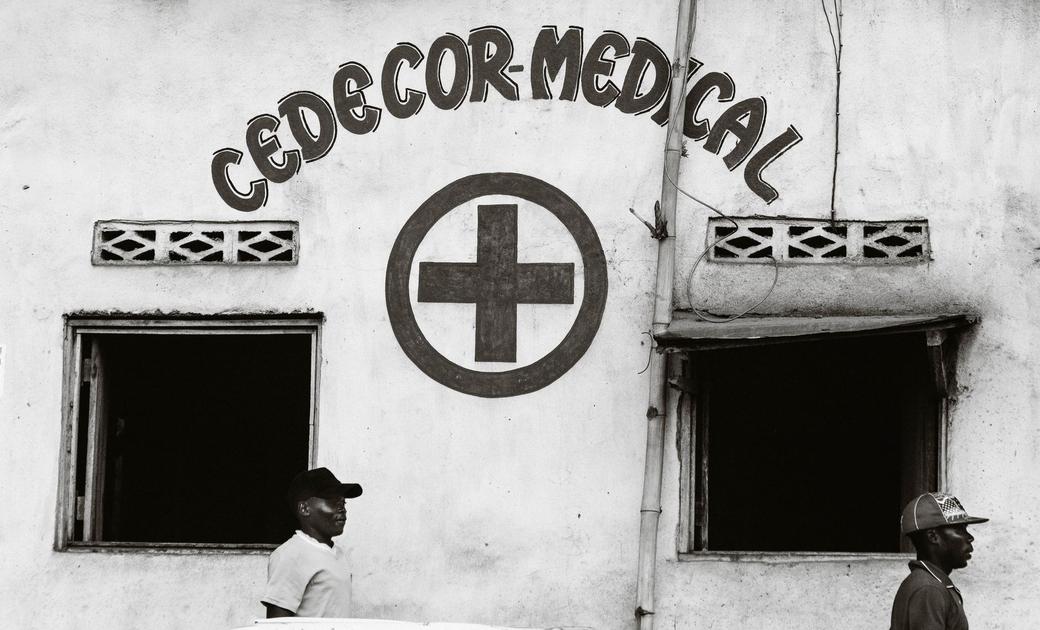
The Ebola outbreak in the Democratic Republic of Congo passed the 500 confirmed case threshold in June 2026, according to the World Health Organization’s situation reports, marking one of the more significant Ebola outbreaks in the DRC’s long history with the disease – which was first identified in the country (then Zaire) in 1976 and has returned repeatedly across different provinces in the five decades since, producing outbreaks of varying size and severity that have collectively made the DRC the country with the most Ebola outbreaks in the world. The current outbreak, which was declared by the DRC Ministry of Health in late 2025 and has continued to spread in 2026, is occurring in a region where active armed conflict between the DRC Armed Forces and the M23 rebel group, backed by Rwanda according to UN investigators, has complicated both healthcare access and outbreak response – a familiar pattern from the 2018-2020 North Kivu outbreak, which became the worst in history at that point partly because the security situation prevented health workers from safely conducting contact tracing and vaccination in affected areas.
The WHO’s international response to the 2026 DRC Ebola outbreak has included the deployment of the rVSV-ZEBOV Ebola vaccine, also known as Ervebo, which was approved by the WHO for emergency use and has been available for outbreak response since the 2018-2020 North Kivu outbreak proved its efficacy in a ring vaccination strategy. The vaccine is manufactured by Merck and has been procured through international mechanisms for deployment in outbreak settings. Contact tracing – the identification and monitoring of all individuals who may have been exposed to a confirmed Ebola case – is the core public health intervention for containing Ebola outbreaks, but it requires community trust, healthcare worker access to affected communities, and a functioning surveillance system that the DRC’s conflict-affected eastern provinces have difficulty sustaining consistently. The humanitarian situation in eastern DRC has been described by UN agencies as among the most severe in the world, with approximately 7 million internally displaced persons as of 2026, functioning as one of the largest displacement crises globally, and the healthcare infrastructure that Ebola response depends on has been chronically under-resourced and periodically disrupted by conflict. International organizations including Doctors Without Borders and the International Federation of Red Cross and Red Crescent Societies have mobilized personnel and supplies to support the DRC’s response, but the combination of geographic remoteness, active armed conflict, and community resistance to some health interventions makes Ebola control in eastern DRC one of the most challenging outbreak response scenarios that international public health systems face.

Trust Post Desk
A journalist and editor at TrustPost.org covering world and national news, technology updates and human-interest stories. They check every fact, interview sources in person or online, and aim to deliver clear, accurate reporting. Their work ranges from breaking news to in-depth features and daily newsletters. Outside the newsroom, they follow emerging trends and engage with readers on social media.