Zambia completed a $1.36 billion debt buyback operation in 2026 and separately negotiated a $275 million debt-for-development swap in which creditors agreed to cancel the debt in exchange for Zambia committing equivalent funds to investment in its domestic electricity grid infrastructure – the most creative and impactful component of a broader debt restructuring process that the country has been implementing following its 2020 default, which made Zambia the first African country to default on its international bonds during the COVID-19 pandemic. The debt buyback, conducted at a discount to face value that reflected the distressed price at which Zambia’s debt had been trading in secondary markets, reduced the country’s outstanding debt burden and improved its debt sustainability metrics in ways that rating agencies and international financial institutions assessed as consistent with the medium-term fiscal path set out in Zambia’s IMF-supported economic program. The $275 million electricity grid swap represents the most innovative element of the restructuring, translating a paper financial obligation into tangible domestic infrastructure investment that directly addresses one of the most serious constraints on Zambia’s economic development: chronically inadequate electricity supply.
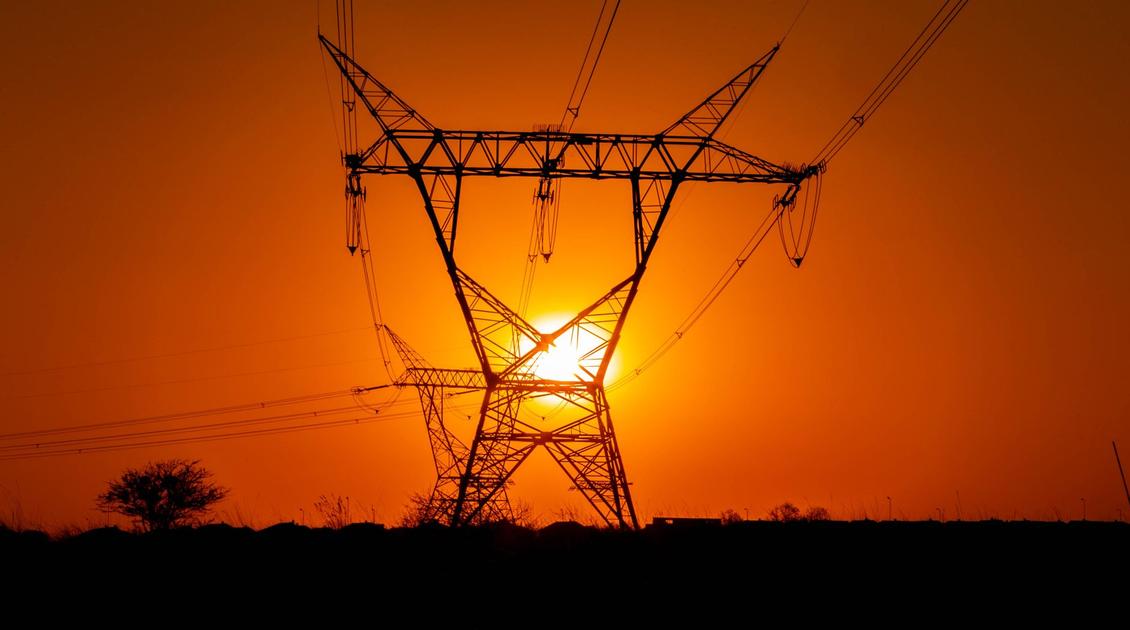
Zambia’s electricity crisis has been one of the most severe economic constraints facing the country in recent years. The country generates the majority of its electricity from hydropower, with the Kariba Dam on the Zambia-Zimbabwe border and the Kafue Gorge system providing the bulk of generation capacity. Successive years of below-average rainfall and low water levels in Lake Kariba – driven by the El Nino pattern that affected southern African rainfall from 2023 to 2025 – reduced available hydropower generation to a fraction of nameplate capacity, resulting in load shedding of up to 18 hours per day in some periods that devastated businesses, households, and critically, the copper mining industry that drives Zambia’s export earnings and government revenues. The $275 million directed toward electricity grid investment will support the development of solar and other renewable capacity, grid maintenance, and transmission infrastructure upgrades that reduce the country’s dependence on hydropower and improve electricity reliability across the economy. The debt swap mechanism for directing restructured debt toward domestic development investment – pioneered in different forms by several developing country debt restructurings over the past decade – represents a model that African finance ministers and their creditors are examining carefully as other highly indebted African countries manage debt sustainability challenges exacerbated by the global interest rate increases of 2022-2024 and the economic disruption of the Iran war. The growing Africa-US economic connectivity represented by new direct air routes provides broader context for Africa’s growing importance in global economic discussions.

Trust Post Desk
A journalist and editor at TrustPost.org covering world and national news, technology updates and human-interest stories. They check every fact, interview sources in person or online, and aim to deliver clear, accurate reporting. Their work ranges from breaking news to in-depth features and daily newsletters. Outside the newsroom, they follow emerging trends and engage with readers on social media.