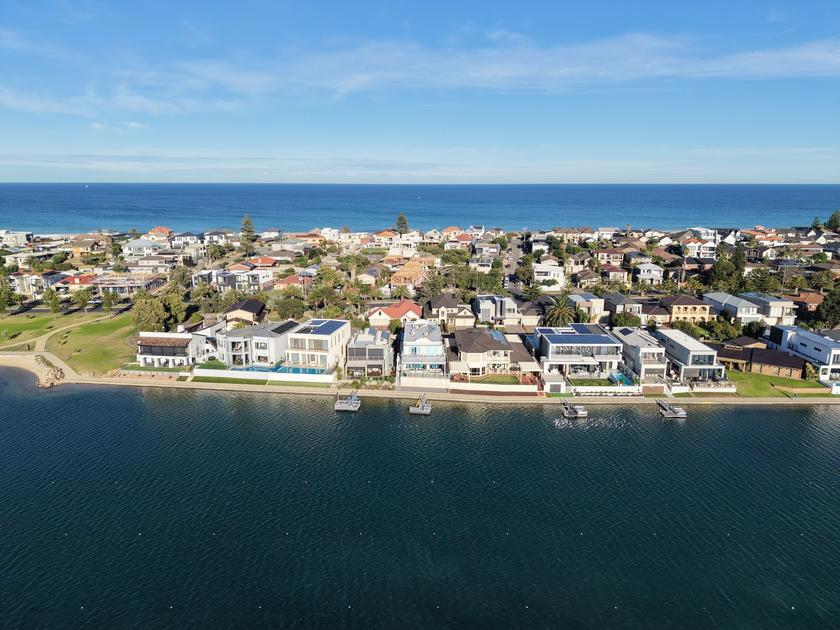
Australia’s residential property market in 2026 presents a picture of sharp geographic divergence that confounds any simple national narrative about the direction of housing prices. Perth, the capital of Western Australia and a city whose property market has historically lagged Sydney and Melbourne due to its relative remoteness from the eastern seaboard’s economic centers, recorded monthly price growth of 2.1 percent in April 2026 – continuing a streak of strong performance that has made Western Australia’s capital the standout performer in Australian property over the past three years. Perth’s strength reflects the Western Australian economy’s exceptional performance relative to the east coast states, driven by commodity revenues from the Pilbara iron ore fields and lithium deposits in the Goldfields-Esperance region that have delivered record royalty payments to the state government and created employment that has attracted interstate and international migration. The city’s relative affordability – even after several years of strong growth, Perth’s median house price remains significantly below Sydney’s – has attracted buyers seeking value that is no longer available in the southeastern capitals.
In contrast, Sydney and Melbourne have experienced price falls in 2026. Sydney’s median house price has been declining in 2026 from the extraordinary peaks reached in late 2021, with sustained higher interest rates – the Reserve Bank of Australia has maintained its cash rate at levels significantly above the emergency lows of the pandemic period – reducing borrowing capacity and cooling demand from the highly indebted buyers who drove prices to record levels when rates were near zero. Melbourne has faced additional headwinds from higher state land taxes implemented by the Andrews government before the 2023 election and property investor calculations that net rental yields in Melbourne are among the lowest of any major city globally relative to purchase prices. National Australia Bank’s forecast of a 2 percent decline in average national house prices for 2026 reflects the balance of Perth’s ongoing strength against weakness in the two largest markets. For first home buyers – the population whose housing access is the central political concern behind Australia’s decades-long housing policy debate – the 2026 market offers a mixed picture: some improvement in affordability in Sydney and Melbourne where prices have fallen, but continued barriers from elevated interest rates, high construction costs, and planning restrictions that limit new housing supply in the locations where demand is concentrated. The policy environment discussed at Noosa includes consideration of how infrastructure investment can support housing development in both countries’ growth corridors.

Trust Post Desk
A journalist and editor at TrustPost.org covering world and national news, technology updates and human-interest stories. They check every fact, interview sources in person or online, and aim to deliver clear, accurate reporting. Their work ranges from breaking news to in-depth features and daily newsletters. Outside the newsroom, they follow emerging trends and engage with readers on social media.