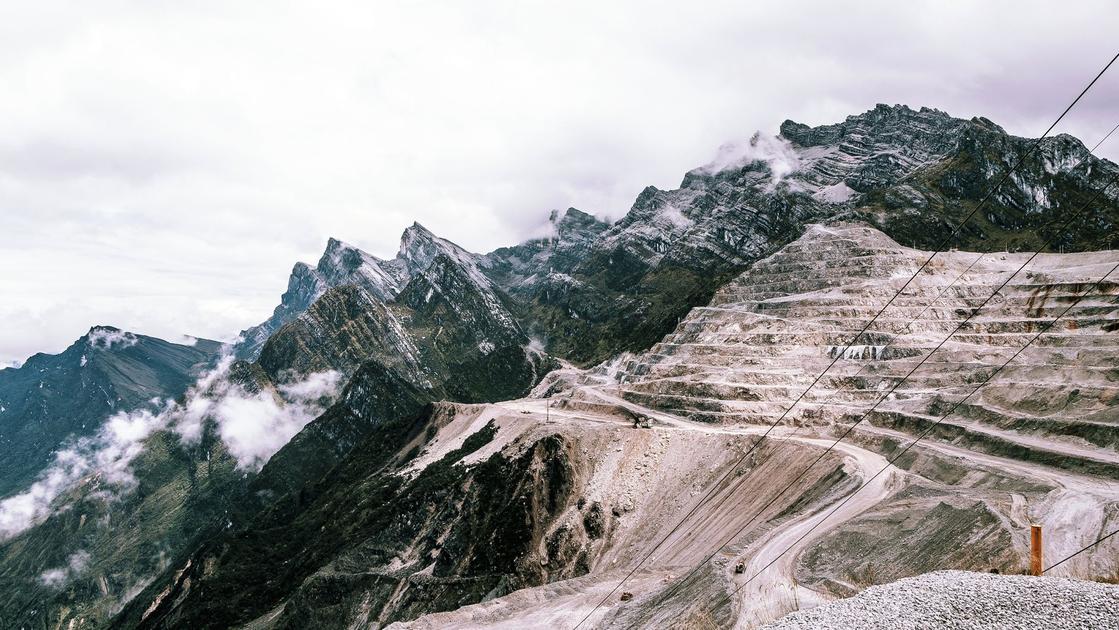
Chile and Peru, together accounting for approximately 40 percent of global copper production and with Chile additionally holding the world’s largest known lithium reserves, have been advancing a bilateral cooperation framework in 2026 to jointly market their complementary battery metal resources to manufacturers and investors building the supply chains for electric vehicles, grid-scale energy storage, and the broader clean energy transition. The bilateral engagement reflects a recognition by both governments that their individual positions in the global battery metal supply chain – already strong by any measure – can be enhanced through coordinated approaches to investment attraction, sustainability standards, indigenous community consultation frameworks, and port and logistics infrastructure development that serve both countries’ export interests. Chile’s Atacama Desert region holds lithium brine deposits that make it competitive with or superior to Australia in lithium carbonate production costs, while its Antofagasta and Tarapaca regions host world-class copper porphyry deposits mined by BHP, Rio Tinto, Codelco, and Antofagasta Minerals. Peru’s copper deposits in Cerro Verde, Las Bambas, Quellaveco, and Antapaccay give it the second-largest copper reserves globally and make it the world’s second-largest copper producer after Chile.
The strategic importance of the Chile-Peru battery metal endowment in 2026 has been elevated by two global trends. First, the acceleration of EV adoption in China, Europe, and the United States, combined with the construction of massive grid-scale battery storage facilities to support renewable energy integration, is driving sustained demand growth for lithium, copper, cobalt, nickel, and manganese that geological supply forecasts suggest will require the development of new mines at a pace that the industry has not historically achieved. Second, the US Inflation Reduction Act and the European Union’s Critical Raw Materials Act have created preferential treatment for battery materials and components sourced from countries with free trade agreements with the US or EU, which both Chile and Peru possess – making their battery metals eligible for EV tax credits and clean energy incentives in the world’s two largest clean energy markets. This policy combination gives Chilean and Peruvian battery metals a concrete commercial premium over equivalent material from China, Congo, or other countries without FTA arrangements, creating a real financial incentive for the major battery supply chain companies to invest in South American mining and processing capacity. The broader economic dynamism of Latin America in 2026 provides a favorable business environment context within which the battery metal sector’s growth is occurring.

Trust Post Desk
A journalist and editor at TrustPost.org covering world and national news, technology updates and human-interest stories. They check every fact, interview sources in person or online, and aim to deliver clear, accurate reporting. Their work ranges from breaking news to in-depth features and daily newsletters. Outside the newsroom, they follow emerging trends and engage with readers on social media.