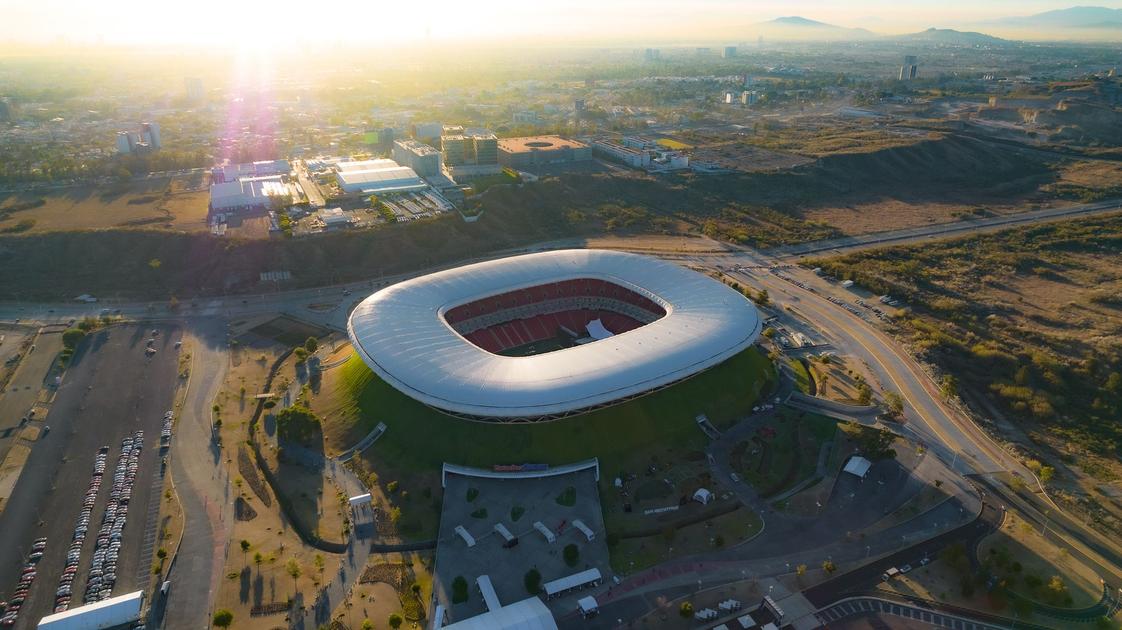
Mexico’s tourism and hospitality sector is experiencing record revenues in June 2026 from the country’s co-hosting of the FIFA World Cup alongside the United States and Canada, with the three stadiums hosting World Cup matches – the iconic Estadio Azteca in Mexico City, the Estadio BBVA in Monterrey, and Guadalajara’s Estadio Akron – generating significant international visitor flows into the surrounding metropolitan areas and driving demand for hotels, restaurants, transportation, and tourism experiences across Mexico. Mexico’s Ministry of Tourism reported in early June 2026 that international tourism revenues in the first months of the year were running approximately 32 percent above the corresponding period of 2025, with the World Cup effect concentrated in Mexico City, Guadalajara, and Monterrey but generating visible spillover tourism to beach destinations in Cancun, Los Cabos, and Puerto Vallarta as international visitors combined World Cup attendance with leisure travel to iconic Mexican destinations during the extended trip that transatlantic travel costs incentivize. The economic impact of Mexico’s World Cup hosting extends beyond the direct spending of match-attending visitors to include the global marketing value of Mexico’s exposure as a World Cup host destination to the multi-billion-person global television audience watching the tournament across every continent.
Mexico’s co-hosting role has a complex political dimension in 2026 given the ongoing US-Mexico relationship frictions around trade, immigration, and tariffs that have characterized the Trump administration’s Mexico policy. The World Cup co-hosting was agreed before the current US-Mexico political tensions reached their current intensity, and both governments have maintained operational cooperation on the logistics, security, and visitor facilitation requirements of the tournament even as their bilateral political relationship has experienced significant friction. The Azteca Stadium’s opening ceremony, which featured the Shakira and Burna Boy performance that launched the tournament, was watched by a Mexican television audience estimated in the tens of millions and was the single largest cultural moment for Mexico’s broadcasting market in years. The broader economic calculations for Mexico’s World Cup investment – which required significant government expenditure on stadium upgrades, transportation infrastructure, security deployment, and hospitality capacity expansion – are being validated by the tourism revenue data, though the full economic impact assessment will require the end of the tournament and a complete accounting of visitor spending, employment effects, and longer-term destination marketing value to produce definitive numbers. Mexico’s domestic football market, which has one of the world’s most commercially developed club football ecosystems in Liga MX, provides a foundation of football culture and fan enthusiasm that makes World Cup hosting both logistically familiar and commercially advantageous for the country’s tournament organizers.

Trust Post Desk
A journalist and editor at TrustPost.org covering world and national news, technology updates and human-interest stories. They check every fact, interview sources in person or online, and aim to deliver clear, accurate reporting. Their work ranges from breaking news to in-depth features and daily newsletters. Outside the newsroom, they follow emerging trends and engage with readers on social media.