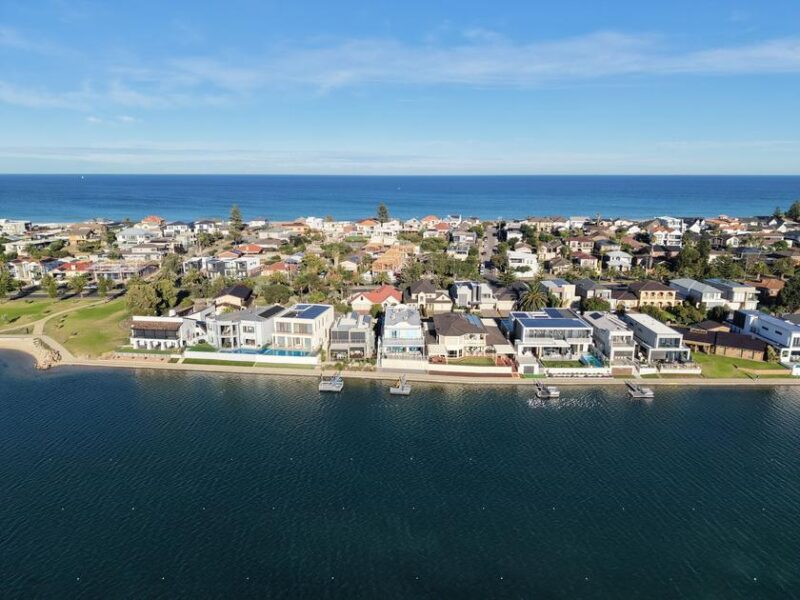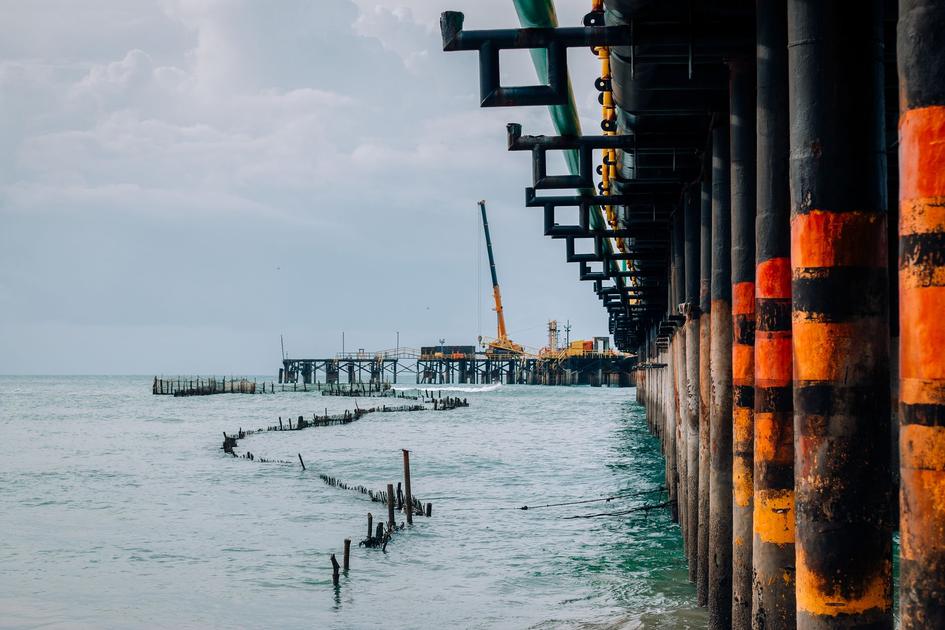
Brazil’s federal government launched an ambitious blue economy strategy in 2026, setting a target of attracting $100 billion in investment in ocean-based economic activities by 2030 across categories including offshore wind energy, marine aquaculture, sustainable fisheries management, maritime shipping, ocean science and technology, submarine cable infrastructure, and sustainable coastal tourism. The strategy, coordinated by the Ministry of Ports and Airports alongside the Ministries of Environment, Science and Technology, and Finance, identifies Brazil’s extraordinary ocean geography as an underutilized economic asset: Brazil has 7,400 kilometers of Atlantic coastline, exclusive economic zone rights extending 200 nautical miles offshore that cover approximately 3.5 million square kilometers of ocean, and Pre-Salt oil and gas reserves in the Campos and Santos basins that already make Brazil one of the world’s top ten oil producers. The blue economy strategy deliberately goes beyond the hydrocarbon economy to position Brazil for the ocean-based sectors that are growing most rapidly in response to the global energy transition and the increasing economic importance of ocean resources in an era of growing maritime connectivity.
Offshore wind is the centerpiece of Brazil’s blue economy investment ambitions. Brazil’s northeastern coast has some of the world’s best offshore wind resources, with consistent trade winds generating capacity factors of 50-60 percent for offshore turbines deployed in relatively shallow waters within economically viable distance of shore. The regulatory framework for Brazilian offshore wind auctions has been under development for several years, with the first auction rounds now underway and major international developers including Equinor, Orsted, BP, Shell, and TotalEnergies having acquired offshore wind licenses in Brazilian waters. The scale of Brazil’s offshore wind resource – preliminary assessments suggest technical potential of over 700 gigawatts – is sufficient to supply a significant fraction of Brazil’s electricity needs and potentially to enable green hydrogen exports to European and Asian markets seeking carbon-neutral hydrogen imports. Marine aquaculture – fish and shellfish farming in controlled ocean environments – is identified as a growth sector where Brazil’s warm coastal waters and established fishing industry provide a natural foundation for expansion, with international companies and domestic fisheries cooperatives both targeted for investment. The environmental credibility that Brazil is building through its Amazon deforestation reduction – highlighted by Lula at the G7 Evian summit – provides a favorable reputational context for the blue economy strategy’s sustainability claims.

Trust Post Desk
A journalist and editor at TrustPost.org covering world and national news, technology updates and human-interest stories. They check every fact, interview sources in person or online, and aim to deliver clear, accurate reporting. Their work ranges from breaking news to in-depth features and daily newsletters. Outside the newsroom, they follow emerging trends and engage with readers on social media.