Uzbekistan expanded its visa-free travel policy in 2026 to include citizens of the United States, United Kingdom, Australia, and Singapore. Visitors from these four countries can now enter without a visa for stays of up to 30 days.
The move reflects President Shavkat Mirziyoyev’s sustained effort since taking office in 2016 to open Uzbekistan to the world. It follows years of reforms that dismantled the relative isolation of the Karimov era.
Why These Four Countries?
The US, UK, Australia, and Singapore are high-spending markets. Travelers from English-speaking economies represent a growing share of global tourism spending.
Tourism data from Uzbekistan showed that interest from these countries outpaced visa applications, suggesting many potential visitors were deterred by the visa requirement itself.
Adding them to the visa-free list is expected to remove that friction and accelerate arrivals from markets that currently visit Uzbekistan far less often than their interest level would suggest.
Uzbekistan’s Broader Reform Agenda
The visa-free expansion is part of a wider economic opening. Mirziyoyev’s government has liberalized the currency exchange system, reformed business registration, and reduced state control of cotton production.
Uzbekistan’s Uzbekistan 2030 strategy frames tourism as a core growth engine. The government has invested in hospitality infrastructure, airport upgrades, and heritage site restoration to support inbound travel.
The deepening Uzbekistan-Tajikistan bilateral partnership also opens the possibility of regional tourism circuits combining Uzbekistan’s Silk Road cities with Tajikistan’s Pamir Highway.
The Silk Road Draw
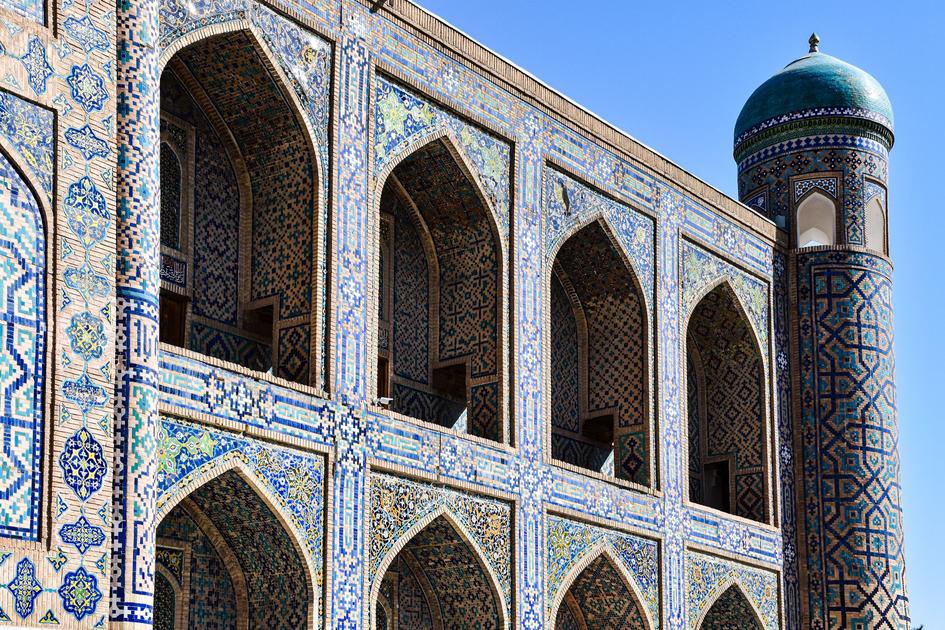
Uzbekistan’s tourism appeal rests on its three UNESCO-listed Silk Road cities: Samarkand, Bukhara, and Khiva. These cities contain some of the world’s most spectacular examples of Islamic architecture.
Samarkand’s Registan complex, the Shah-i-Zinda necropolis, and the Gur-e-Amir mausoleum of Timur are among the most photographed monuments in Central Asia.
Bukhara’s Kalon Minaret and the walled city of Khiva’s Ichan Kala attract travelers interested in the ancient trade routes connecting China to the Mediterranean.
International tourist arrivals have grown significantly since 2017, when the e-visa system launched. The 2026 visa-free expansion targets the next wave of growth from English-speaking markets.
What Visitors Need to Know
Citizens of the US, UK, Australia, and Singapore can enter Uzbekistan visa-free for up to 30 days. A valid passport and proof of onward travel are required.
The visa-free status applies to tourism and short business visits. Work or long-term stays still require the appropriate visa or permit.
Tashkent’s International Airport handles direct connections to Dubai, Istanbul, Moscow, Beijing, and several European hubs. Samarkand Airport also operates international routes.
Travel insurance is strongly recommended. Uzbekistan’s healthcare system, while improving, does not meet Western standards outside major urban centers.
Tourism Numbers and Economic Impact
Uzbekistan received approximately 9 million international visitors in 2023. The government’s 2030 target is 20 million annual arrivals.
Tourism contributes an estimated 4 to 5 percent of GDP and supports hundreds of thousands of jobs in hospitality, transport, and retail.
The visa-free expansion to the US, UK, Australia, and Singapore is expected to add hundreds of thousands of additional arrivals annually. Analysts project meaningful GDP growth from the policy change over a 3 to 5 year horizon.
Frequently Asked Questions
Can US citizens visit Uzbekistan without a visa in 2026?
Yes. As of 2026, US citizens can visit Uzbekistan visa-free for up to 30 days. The same applies to citizens of the UK, Australia, and Singapore. A valid passport and proof of onward travel are required.
What are the best cities to visit in Uzbekistan?
Samarkand, Bukhara, and Khiva are the top destinations for most visitors. All three are UNESCO World Heritage Sites and feature extraordinary Islamic architecture. Tashkent, the capital, is the main entry point and has its own modern and historic attractions.
How has Uzbekistan changed under President Mirziyoyev?
Since taking office in 2016, Mirziyoyev has liberalized the economy, opened borders, launched an e-visa system, and pursued foreign investment under the Uzbekistan 2030 strategy. The visa-free expansion to major English-speaking countries is one of the most recent visible reforms.
Related Articles
- Uzbekistan-Tajikistan Sign $2 Billion Trade Deal and Khujand Border Agreement
- Central Asia Climate Crisis: Aral Sea and Glacial Melt Water Security
- Tajikistan GDP Grows 8% in Q1 2026, Fastest in Central Asia
Sources: Uzbekistan Tourism Official Site | Reuters – Uzbekistan Opens to More Visitors | UNWTO Tourism Data

Trust Post Desk
A journalist and editor at TrustPost.org covering world and national news, technology updates and human-interest stories. They check every fact, interview sources in person or online, and aim to deliver clear, accurate reporting. Their work ranges from breaking news to in-depth features and daily newsletters. Outside the newsroom, they follow emerging trends and engage with readers on social media.