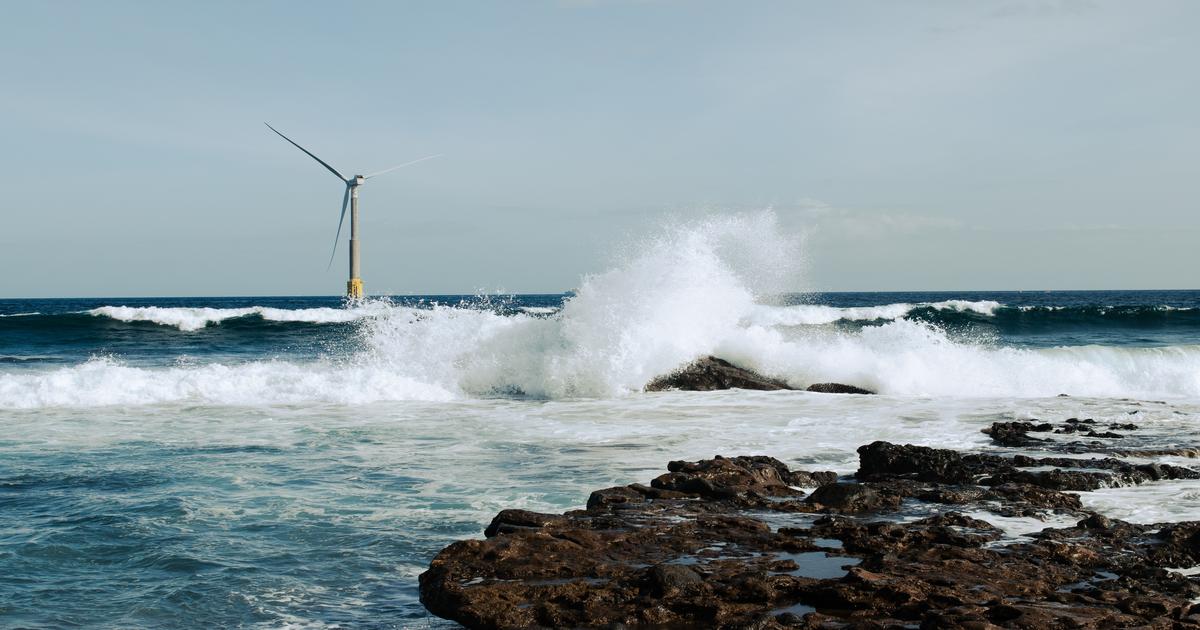
The Trump administration announced it will pay $765 million to Invenergy to voluntarily terminate four offshore wind leases, the third such buyback agreement in 2026 as part of a systematic effort to dismantle the US offshore wind development pipeline. The total amount the administration has committed to canceling offshore wind leases has now reached approximately $2.6 billion. The buyback strategy is being challenged in court, but it has proven faster and legally cleaner than attempting to revoke leases outright. The broader energy picture in 2026 is complicated: the same tariffs driving stagflation concerns in the US economy have also raised the cost of wind and solar components, while refrigerant-related PFAS pollution from fossil fuel replacements adds a new environmental dimension to energy transition decisions.
The four Invenergy leases cover one site in the New York Bight designated for a New Jersey wind farm, two sites for floating offshore wind farms off the coast of Maine, and one site off the coast of California. Invenergy plans to redirect the $765 million toward natural gas facilities in Indiana, Wisconsin, Iowa, Kansas, and Missouri, and geothermal development in the Western US. According to gCaptain, Invenergy frames the deal as redirecting investment toward other domestic energy sources rather than a capitulation to administration pressure.
The Three Offshore Wind Buybacks So Far
| Company | Amount | Leases Terminated | Cumulative Total |
|---|---|---|---|
| TotalEnergies | ~$600M | Multiple Northeast leases | $600M |
| Previous company | ~$1.2B | Additional leases | $1.8B |
| Invenergy | $765M | 4 leases (NJ, Maine x2, CA) | $2.6B |
The pattern across all three deals is similar: companies that purchased offshore wind leases in good faith under the Biden administration are receiving their lease payments back plus additional compensation to voluntarily surrender the leases. The alternative — having leases revoked through regulatory action — is legally harder and being challenged by eight state attorneys general led by New York AG Letitia James and Governor Kathy Hochul, who argue the federal government lacks authority to cancel offshore wind leases through negotiated settlements.
Why Companies Are Taking the Deals
Offshore wind development has faced severe headwinds since the Trump administration took office. Permitting has stalled, investment tax credits are under threat, and the administration has made clear it will not approve new federal environmental impact studies for offshore wind. For developers holding leases with no viable path to construction, the buyback offers a way to recover capital.
The geopolitical context matters too. Energy companies face regulatory uncertainty across multiple sectors. Redirecting capital from stalled offshore wind projects toward natural gas infrastructure, which the administration actively supports, is rational corporate strategy in the current regulatory environment.
The Legal Battles
New York Attorney General Letitia James, joined by the attorneys general of seven other states, has filed suit challenging the TotalEnergies buyback agreement, arguing the federal government lacks authority to cancel offshore wind leases through negotiated settlements using federal funds. If the courts agree, it could unwind the TotalEnergies deal and complicate the Invenergy buyback. The legal challenges reflect broader Democratic opposition to the administration’s energy policies, with coastal states particularly dependent on offshore wind for meeting state-level clean energy mandates.
The Environmental Impact
The US offshore wind pipeline, which had been projected to produce 30 gigawatts of power by 2030 under Biden administration projections, is being systematically dismantled. The energy that the canceled projects would have generated will need to come from somewhere — and Invenergy’s redirection toward natural gas suggests that gas is filling the gap. From a climate perspective, the $2.6 billion spent canceling wind leases is effectively a subsidy for fossil fuel continuation. The global climate stress is already intensifying with El Nino 2026 tracking as a potentially historic event, adding urgency to the renewable energy transition the buybacks are reversing.
Frequently Asked Questions
How much has the Trump administration spent canceling offshore wind leases?
As of June 2026, the Trump administration has committed approximately $2.6 billion to cancel offshore wind leases through three buyback agreements. The Invenergy deal at $765 million is the third. The strategy involves paying developers to voluntarily surrender leases purchased from the federal government, which is faster and legally cleaner than revoking leases through regulatory action, though it is being challenged in court by eight state attorneys general.
What will Invenergy do with the $765 million?
Invenergy stated it plans to use the $765 million from surrendering its four offshore wind leases to invest in natural gas facilities in Indiana, Wisconsin, Iowa, Kansas, and Missouri, and in geothermal energy development in the Western United States. The company framed the deal as redirecting capital toward other domestic energy sources rather than exiting the energy sector.
Can states stop Trump from canceling offshore wind leases?
Eight state attorneys general, led by New York AG Letitia James and Governor Kathy Hochul, have filed suit challenging the legality of the TotalEnergies buyback agreement, arguing the federal government lacks authority to cancel offshore wind leases through negotiated settlements using federal funds. The legal challenges are pending. If courts rule against the administration, it could unwind existing buyback deals and prevent future ones from proceeding.
Related Articles

Trust Post Desk
A journalist and editor at TrustPost.org covering world and national news, technology updates and human-interest stories. They check every fact, interview sources in person or online, and aim to deliver clear, accurate reporting. Their work ranges from breaking news to in-depth features and daily newsletters. Outside the newsroom, they follow emerging trends and engage with readers on social media.