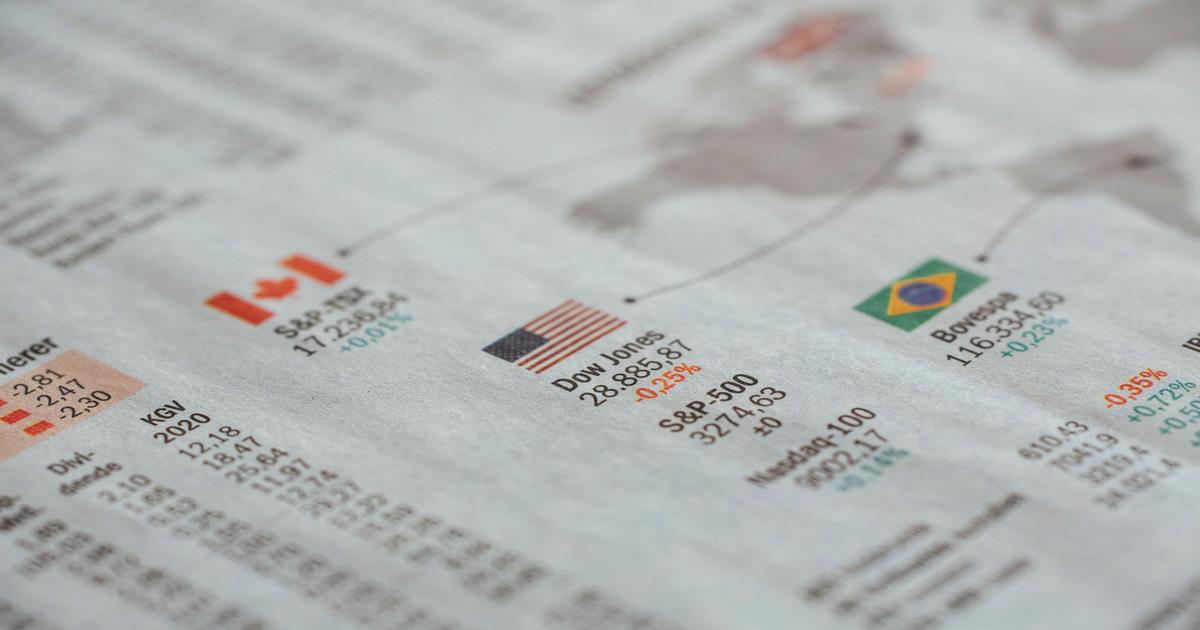
US stock markets staged a sharp rebound on June 18, 2026, with the Nasdaq Composite gaining 3 percent and the S&P 500 rising 1.9 percent one day after both indexes fell sharply in response to the Federal Reserve’s hawkish June projections. The Dow Jones Industrial Average rose 1 percent to 51,928. The reversal was driven by two major catalysts: the formal signing of the US-Iran MOU at Versailles, which pushed oil prices lower and removed a major source of geopolitical uncertainty, and the announcement of the Apple-Intel US chip manufacturing deal which lifted technology stocks broadly. For broader context on what the Fed’s rate signals mean for household finances and the economy, see our US economy tariffs and stagflation risk analysis.
On June 17, after the Federal Reserve released projections showing nine of 18 FOMC members expect a rate hike by year-end and raised its inflation forecast to 3.6 percent, the S&P 500 fell 1.21 percent to 7,420 and the Nasdaq shed 1.34 percent to 26,021. The June 18 bounce erased those losses and pushed the S&P 500 to 7,573 and the Nasdaq to 26,667.
What Drove the Rebound
The Iran peace deal signing at Versailles was the primary catalyst. Oil prices fell sharply as markets priced in the reopening of the Strait of Hormuz and resumed Iranian oil exports after months of restricted flow. Lower oil prices directly reduce inflation pressure, partially offsetting the hawkish Fed signals that rattled markets the previous day. The Fed had raised its 2026 inflation forecast to 3.6 percent partly due to the Iran war’s energy price impact — so the Iran deal is directly relevant to whether that forecast holds.
The Apple-Intel chip deal announcement was a second technology-specific catalyst that lifted the Nasdaq disproportionately relative to the Dow. Intel shares surged approximately 6.5 percent in premarket on the news, and Apple held steady as investors viewed the domestic manufacturing partnership positively. The technology sector’s heavy capital investment in AI infrastructure has made chip supply a critical variable for the entire sector’s outlook.
The Fed Decision in Context
The market’s initial negative reaction to the June 17 Fed projections — followed by an immediate reversal on June 18 — illustrates how intertwined geopolitical events and monetary policy have become. The Fed’s hawkish shift was itself largely a response to Iran war-driven energy prices. With the Iran deal now signed, the inflationary driver that pushed nine Fed members toward expecting a rate hike has been partially addressed.
Whether markets have correctly priced in the Iran deal’s disinflationary impact depends on how quickly Iranian oil actually flows, whether the 60-day nuclear negotiation succeeds, and whether other inflationary pressures — tariffs, wages, housing — moderate independently. The Fed has made clear it is data-dependent and will not commit to rate paths in advance.
Sector Performance on June 18
| Index / Asset | June 17 Close | June 18 Performance |
|---|---|---|
| S&P 500 | 7,420 (-1.21%) | +1.9% to 7,573 |
| Nasdaq Composite | 26,021 (-1.34%) | +3.0% to 26,667 |
| Dow Jones Industrial Average | Down on June 17 | +1.0% to 51,928 |
| Oil Prices | Elevated | Retreating on Iran deal |
| Intel (INTC) | Prior close | +6.5% premarket on Apple deal |
What Investors Are Watching Next
The 60-day nuclear negotiation window opened by the Iran MOU signing is the single largest uncertainty for markets over the coming two months. A successful final deal would reduce the geopolitical risk premium across energy, shipping, and Middle East-exposed stocks. A breakdown in negotiations — which Trump has warned could lead to resumed bombing — would reverse the oil price relief and likely push markets lower again. Domestically, the next major data points are the July CPI inflation report and the Fed’s next meeting, where policymakers will reassess whether the 3.6 percent inflation forecast holds given the Iran deal’s energy price impact. The stagflation risk has not disappeared; it has only been modestly reduced.
Frequently Asked Questions
Why did the stock market rally on June 18, 2026?
US stocks rallied sharply on June 18, 2026, with the Nasdaq gaining 3 percent and the S&P 500 rising 1.9 percent, driven by two catalysts: the formal signing of the US-Iran MOU at Versailles, which pushed oil prices lower and removed a major source of geopolitical uncertainty, and President Trump’s announcement of an Apple-Intel US chip manufacturing deal, which lifted technology stocks.
What happened to the stock market after the Fed decision in June 2026?
The S&P 500 fell 1.21 percent and the Nasdaq fell 1.34 percent on June 17, 2026 after the Federal Reserve released projections showing nine of 18 FOMC members expect a rate hike by year-end and raised its 2026 inflation forecast to 3.6 percent. Both indexes recovered fully and more on June 18, with the Nasdaq gaining 3 percent as the Iran peace deal and Apple-Intel chip announcement provided positive catalysts.
What is the S&P 500 at in June 2026?
The S&P 500 closed at approximately 7,573 on June 18, 2026, following a 1.9 percent gain that reversed the previous day’s 1.21 percent decline after the Fed’s hawkish rate projections. The Nasdaq Composite closed at approximately 26,667 after gaining 3 percent, and the Dow Jones Industrial Average rose 1 percent to 51,928.
Related Articles

Trust Post Desk
A journalist and editor at TrustPost.org covering world and national news, technology updates and human-interest stories. They check every fact, interview sources in person or online, and aim to deliver clear, accurate reporting. Their work ranges from breaking news to in-depth features and daily newsletters. Outside the newsroom, they follow emerging trends and engage with readers on social media.