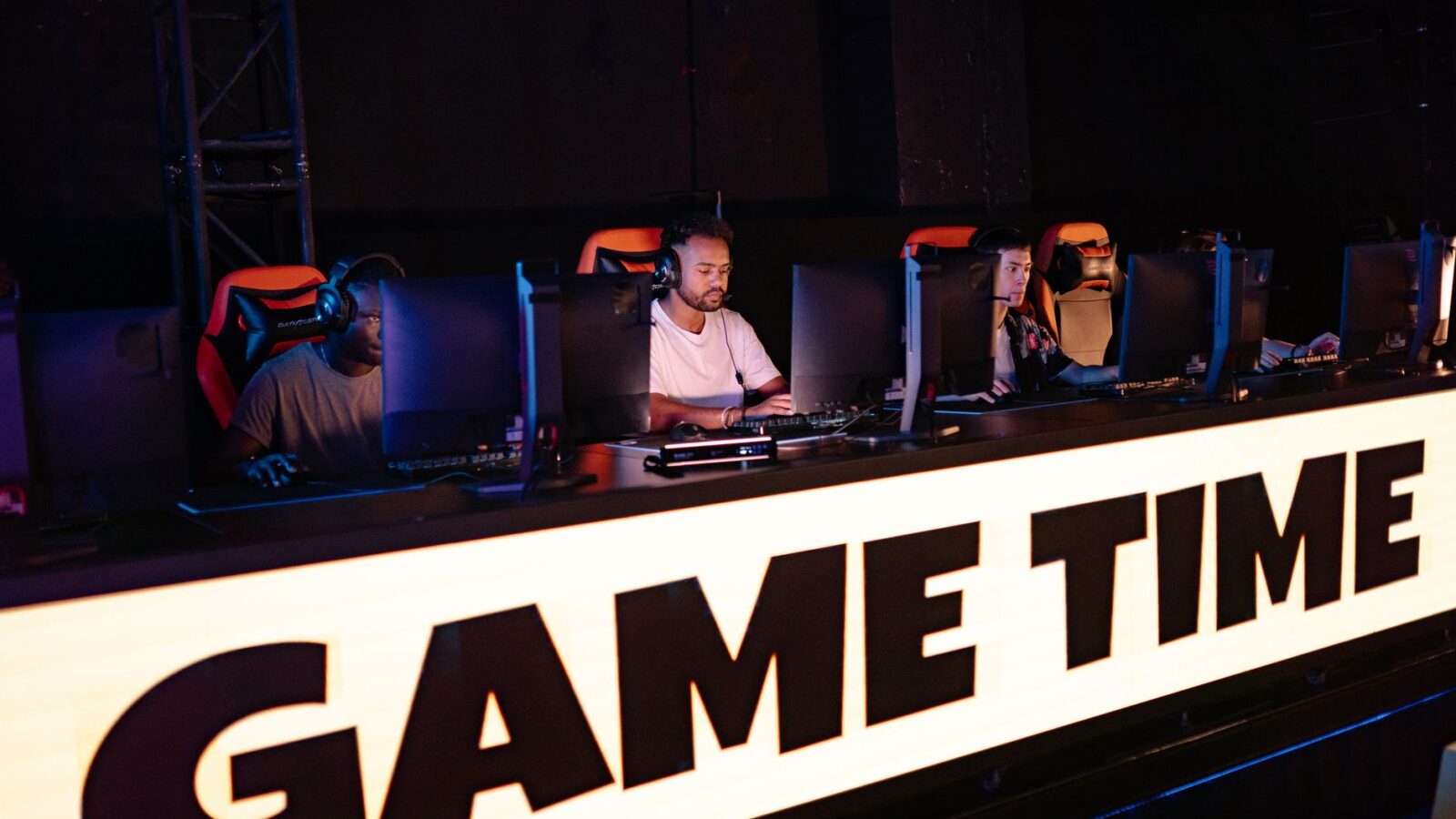
Understanding how esports works starts with scale: the industry generated over $2 billion in global revenue in 2025 with viewership rivaling traditional sports.
Esports is competitive video gaming at an organized, professional level with structured leagues, regular seasons, and substantial prize pools.
Understanding How Esports Works as an Industry
Game publishers hold central power. They control the tournament formats, game updates, and revenue splits that determine how competitive ecosystems operate.
Per Esports Charts trends, the biggest structural challenge in 2026 esports is building sustainable Tier 2 infrastructure beneath flagship events like the Esports World Cup.
How Esports Tournaments and Leagues Are Structured
Most major esports titles operate one of two structures: publisher-run leagues (Valorant Champions Tour, League of Legends Worlds) or open circuit events.
Open circuits allow any team to qualify through regional qualifiers. Publisher-run leagues use franchised team slots with set rosters and revenue sharing.
The International (Dota 2) is the world’s highest-prize esports event, regularly exceeding $30 million funded through in-game cosmetic purchases by fans.
Regional leagues feed into international championships. Teams compete in Spring and Summer splits to earn points toward major event invitations.
How Professional Esports Teams Work
- Roster: 5 to 6 active players per game title, with substitutes for rotation; rosters change frequently due to buyouts and performance evaluations
- Coaching staff: head coach, assistant coach, and analyst review professional-level gameplay, build strategies, and run daily practice sessions
- Support roles: team managers handle logistics, travel, contracts, and media obligations, allowing players to focus entirely on competition
- Mental performance coaches are increasingly standard at top organizations, addressing the psychological demands of elite competition
- Content and brand: major orgs run social media, YouTube, and streaming channels that generate income independent of tournament winnings
How Esports Players Get Paid
Top-tier professional players in League of Legends, Valorant, and CS2 earn $200,000 to $500,000 annually in base salary before bonuses.
Sponsorship deals add significantly to income. Endemic brands (gaming chairs, peripherals, energy drinks) and non-endemic brands both actively sponsor players.
Streaming revenue is now a major income stream. Many professional players earn more from their Twitch or YouTube audience than from their team salary.
Prize pools are split among the team. Most organizations take 20 to 40% of tournament winnings before distributing the remainder to individual players.
Esports Career Paths Beyond Playing Professionally
Broadcasting and commentary (shoutcasting) requires deep game knowledge, public speaking skills, and the ability to narrate fast action clearly.
Event production and tournament operations employ producers, technical directors, stage managers, and broadcast engineers at every major event.
Data analysis is growing fast. Teams hire analysts to process performance data, identify trends, and translate metrics into strategic coaching decisions.
Per Esports Insider careers, the most accessible entry points into esports include content creation, local tournament staffing, and social media management roles.
See current prize pool data. esports prize pools covers the top-earning esports tournaments and which games are driving the largest audience growth in 2026.
A competitive journey starts with real skill. how to get better covers how to develop fundamentals that get players noticed by amateur and pro organizations.
Related Articles

Trust Post Desk
A journalist and editor at TrustPost.org covering world and national news, technology updates and human-interest stories. They check every fact, interview sources in person or online, and aim to deliver clear, accurate reporting. Their work ranges from breaking news to in-depth features and daily newsletters. Outside the newsroom, they follow emerging trends and engage with readers on social media.