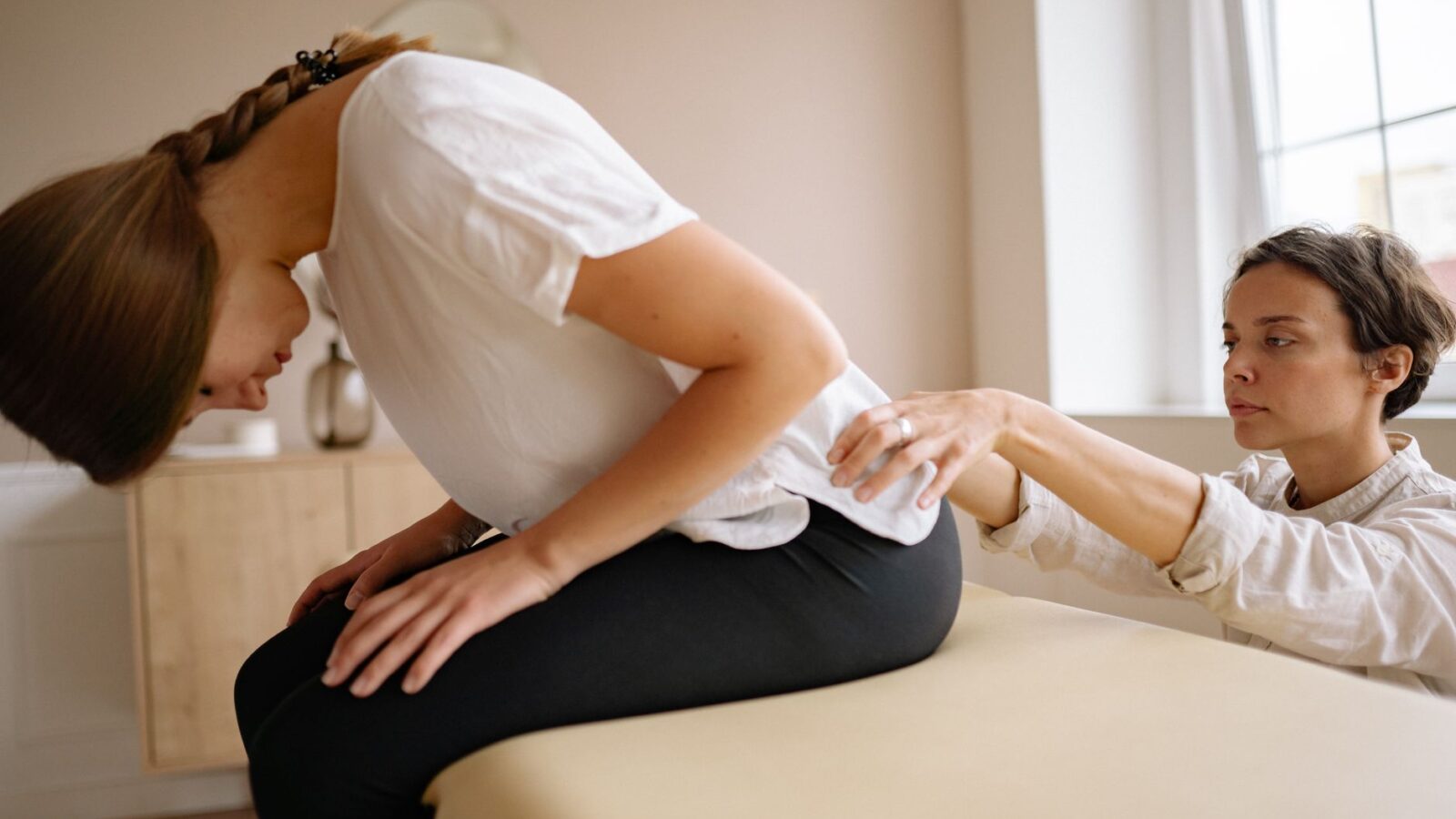
Musculoskeletal syndrome of menopause is a health condition affecting 70 percent of women, with treatment options now better understood.
Menopause health researchers coined the syndrome term to describe joint pain, bone loss, and muscle weakness from estrogen decline.
What Is Musculoskeletal Syndrome of Menopause and How It Affects Health

Musculoskeletal syndrome of menopause was formally named in a 2024 paper in the journal Climacteric.
It describes a cluster of physical symptoms driven by falling estrogen levels during perimenopause and beyond.
Up to 70 percent of women experience at least one symptom of this syndrome during their transition.
Joint pain, stiffness, bone loss, and decreased muscle mass are the four core features of the syndrome.
Harvard Health on musculoskeletal menopause from Harvard Health explains why menopause makes the entire musculoskeletal system vulnerable to change.
Estrogen plays a protective role in cartilage, bone, and muscle tissue throughout a woman’s life.
When estrogen falls during menopause, those protective mechanisms diminish, accelerating wear and degeneration.
Many women and their doctors previously attributed these symptoms to aging rather than hormonal change.
Naming the syndrome helps clinicians recognize it as a distinct and treatable menopause health condition.
The syndrome can begin during perimenopause, years before the final menstrual period, making early recognition vital.
Musculoskeletal Syndrome Symptoms: Joint Pain and Bone Loss
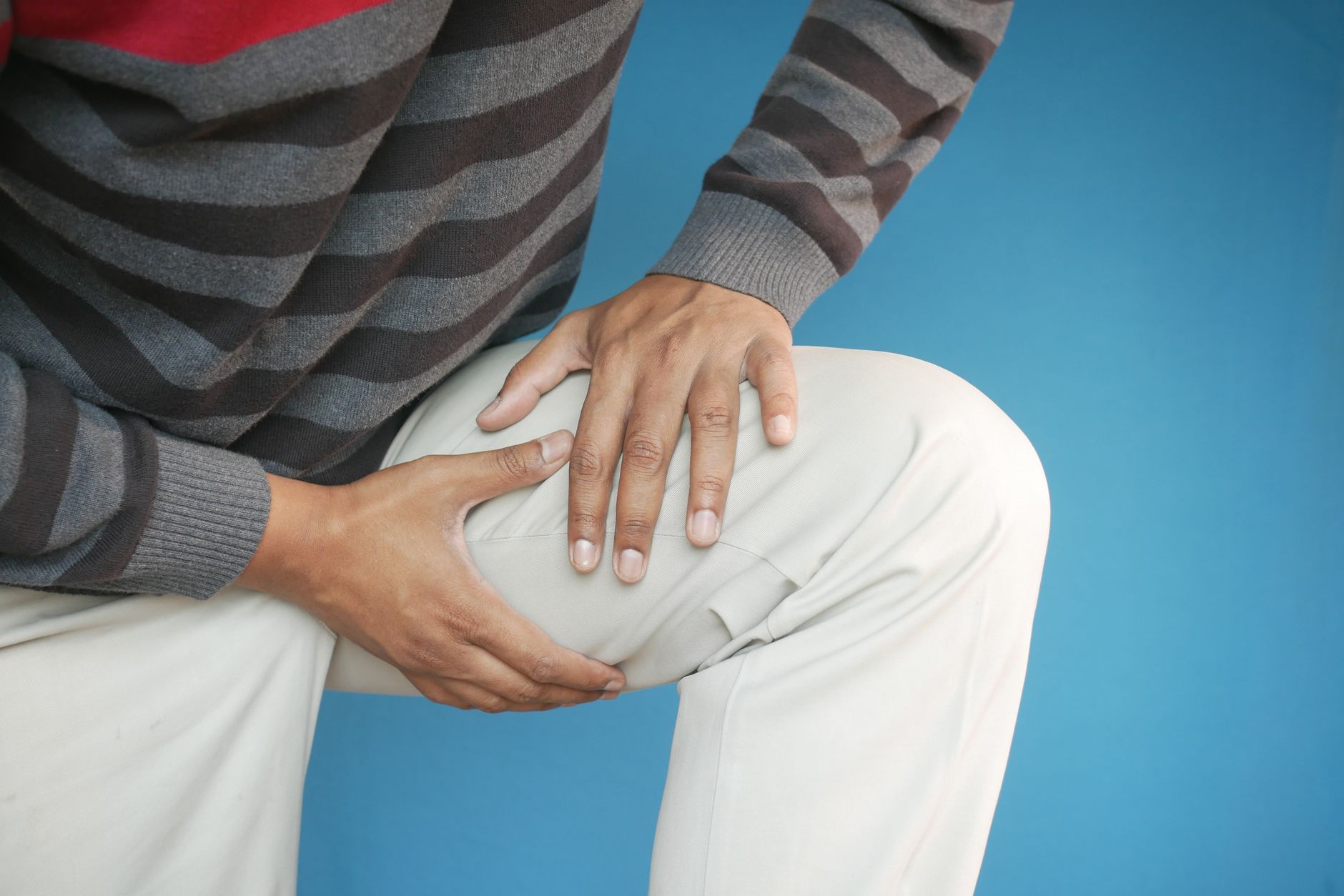
Joint pain affects more than half of perimenopausal women, often appearing suddenly in wrists, knees, and hips.
The pain tends to be bilateral, meaning it affects the same joint on both sides of the body.
Morning stiffness lasting more than 30 minutes is a hallmark symptom of musculoskeletal menopause syndrome.
Bone loss, or osteopenia progressing to osteoporosis, accelerates dramatically in the first five years after menopause.
Read Healthline menopause syndrome guide for a comprehensive Healthline guide to symptoms, diagnosis, and management options for this syndrome.
Women can lose up to 20 percent of their bone density in the decade following their final period.
Fracture risk, particularly of the hip and spine, rises significantly as bone density decreases after menopause.
Cartilage also breaks down faster without estrogen, increasing the risk of developing osteoarthritis at a younger age.
Tendinopathy, or tendon inflammation, is increasingly recognized as another component of the musculoskeletal syndrome.
Many women report these symptoms emerging simultaneously, creating a generalized feeling of accelerated physical aging.
Muscle Weakness and Menopause Health Decline Explained
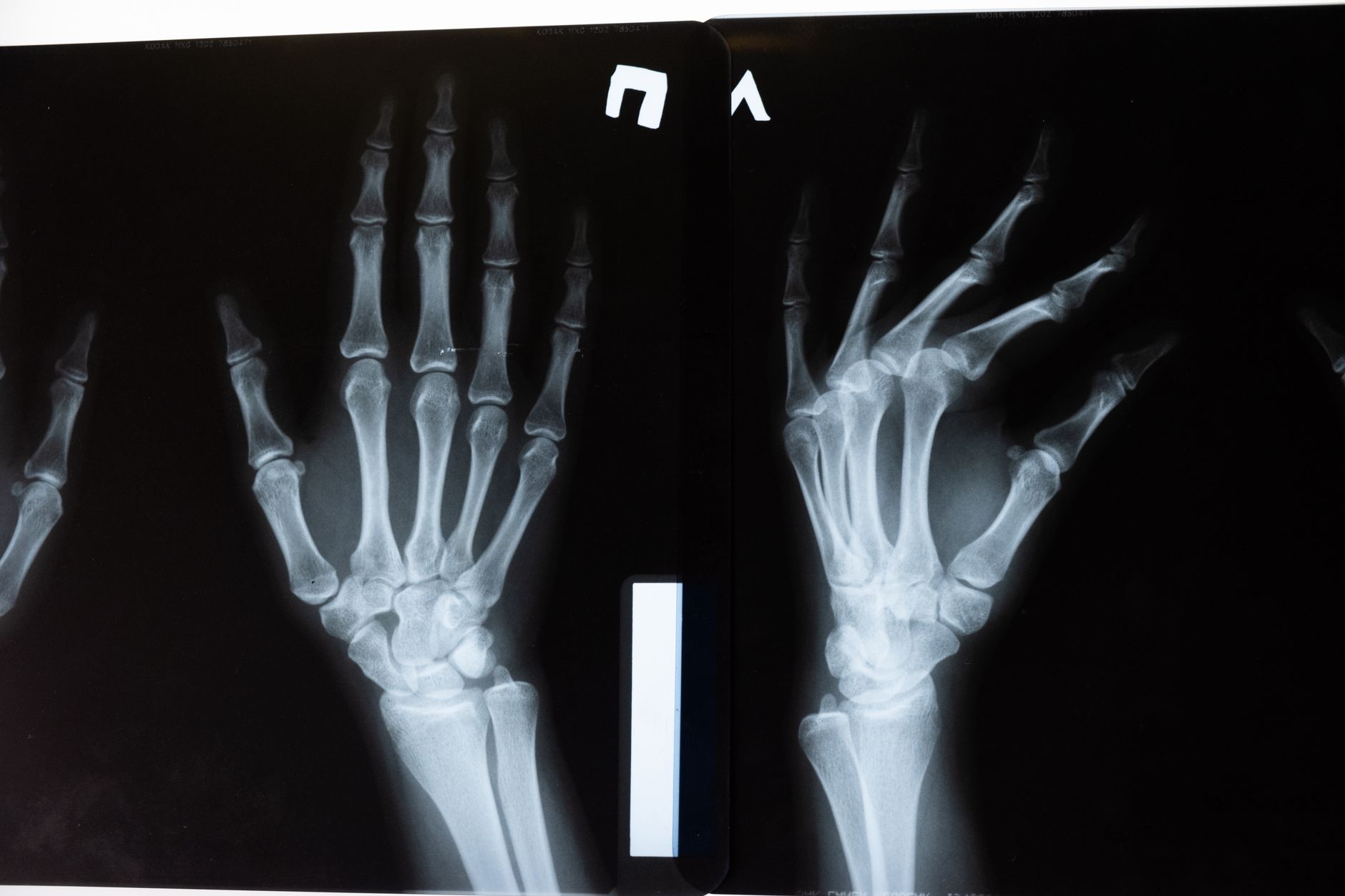
Sarcopenia, the loss of muscle mass and strength, accelerates during the menopause transition due to estrogen decline.
Women can lose three to eight percent of their muscle mass per decade after menopause without intervention.
Muscle weakness increases fall risk, which combined with reduced bone density creates a dangerous fracture cycle.
The connection between estrogen and muscle protein synthesis explains why strength training becomes harder post-menopause.
Grip strength is frequently used as a clinical marker for overall musculoskeletal health in menopausal women.
TrustPost covers AI health wearables tracking tools that can help monitor physical health metrics including muscle and activity data.
Lower back pain is the most commonly reported musculoskeletal complaint in perimenopausal women seeking medical care.
Core muscle weakness and spinal disc degeneration both progress faster in the absence of protective estrogen.
Physical therapists note that menopausal women often present with multiple simultaneous musculoskeletal complaints.
Recognizing muscle weakness as hormonal rather than purely age-related changes the treatment approach significantly.
Hormone Replacement Therapy as Musculoskeletal Syndrome Treatment
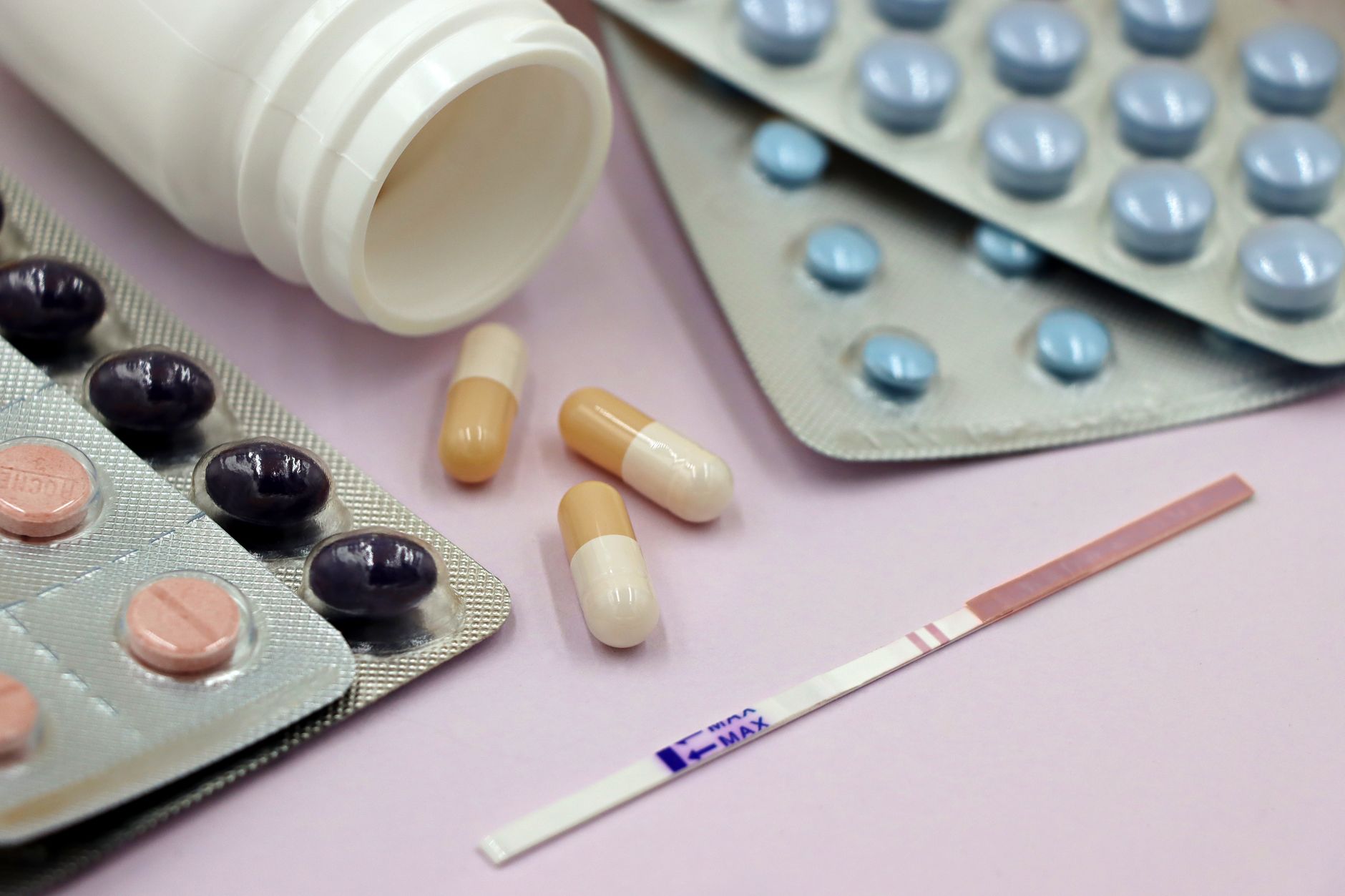
HRT remains the most studied and effective treatment for musculoskeletal syndrome of menopause health symptoms.
Estrogen therapy reduces joint pain in clinical trials, with some studies showing 30-40 percent symptom improvement.
HRT also slows bone loss and reduces fracture risk when started close to the onset of menopause.
Current guidelines support HRT for symptomatic women under 60 without contraindications such as certain cancers.
Hinge Health treatment overview from Hinge Health outlines the full range of treatment options beyond HRT for the syndrome.
Tibolone, a synthetic steroid used in some countries, has shown benefits for both bone and muscle.
Topical estrogen can provide local joint relief without the systemic effects of oral hormone therapy.
Many women report significant improvement in joint function within three months of starting appropriate HRT.
Women should discuss their individual risk profile with a healthcare provider before beginning any hormone therapy.
The benefits of HRT for bone and joint health are well established and increasingly supported by evidence.
Exercise as Menopause Health and Musculoskeletal Syndrome Treatment

Resistance training is the most evidence-supported non-hormonal treatment for musculoskeletal syndrome of menopause.
Studies show a 43 percent reduction in joint pain severity with two to three strength sessions per week.
Weight-bearing exercises including walking, jogging, and weightlifting stimulate bone formation and slow bone loss.
Physical therapists recommend starting with low-impact resistance training and progressing gradually over 12 weeks.
Yoga and Pilates improve joint mobility and core strength with lower injury risk for symptomatic women.
See smart health tracking devices in 2026 for how smart wearables can help menopausal women track their activity and sleep quality daily.
High-impact exercise should be introduced carefully, especially for women with low bone density or joint pain.
Balance training reduces fall risk and is recommended for all women over 50 showing early syndrome signs.
Swimming and cycling provide cardiovascular and muscular benefits with minimal joint stress for symptomatic women.
Consistency matters more than intensity. Twenty minutes of daily movement outperforms one weekly intense gym session.
Diet and Nutrition for Menopause Musculoskeletal Health
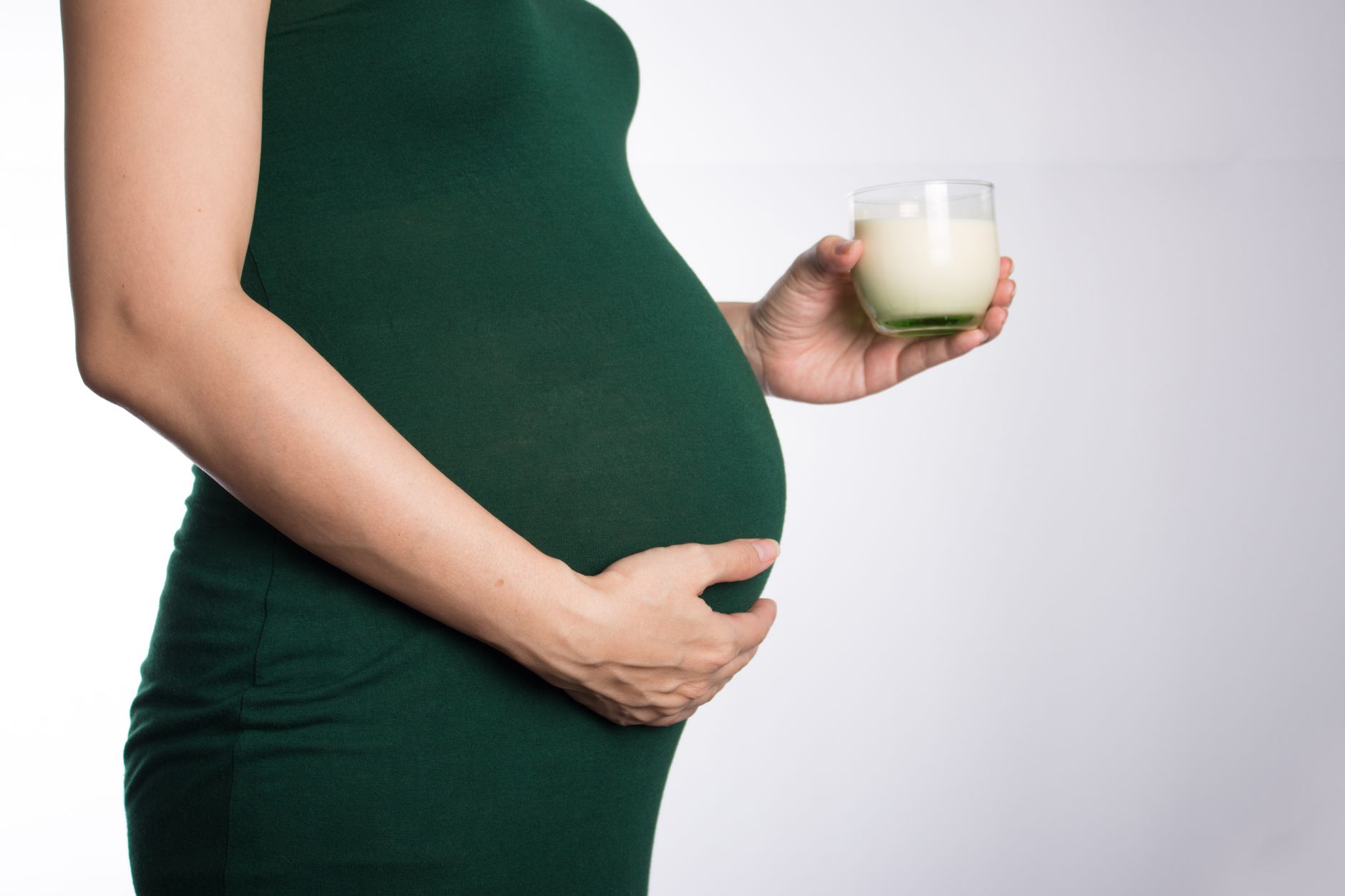
Calcium and vitamin D are the foundational nutritional priorities for maintaining bone health during menopause.
Women over 50 need 1,200 mg of calcium daily from food sources or supplements to meet bone needs.
Vitamin D levels below 30 ng/mL are associated with greater joint pain and faster bone loss during menopause.
Protein intake is critical for preserving muscle mass. Aim for 1.2-1.6 grams per kilogram of body weight.
Anti-inflammatory foods including fatty fish, olive oil, berries, and leafy greens may reduce joint inflammation.
Collagen supplements are increasingly popular and some studies suggest benefits for cartilage in postmenopausal women.
Magnesium supports muscle function and bone mineralization and is frequently deficient in perimenopausal women.
Reducing processed foods and refined sugar decreases systemic inflammation that worsens joint and muscle symptoms.
Alcohol consumption accelerates bone loss and should be moderated or eliminated during the menopause transition.
A Mediterranean-style diet is the most frequently recommended eating pattern in menopause health research studies.
Reddit Menopause Community and Growing Wellness Awareness

The r/Menopause subreddit has grown to over 300,000 members and is one of Reddit’s fastest-growing health communities.
Women share symptom diaries, treatment outcomes, and HRT experiences in a supportive and evidence-focused environment.
The musculoskeletal syndrome post regularly trends in r/Menopause after being covered by major health publications.
Many women report that finding the community helped them recognize symptoms they had incorrectly attributed to aging.
Doctors and specialists sometimes participate in subreddit AMAs, helping close the information gap for members.
Popular threads ask about the best calcium supplements, HRT brands, and physical therapy exercises for joint pain.
Users frequently post before-and-after accounts of how HRT or lifestyle changes resolved their musculoskeletal symptoms.
The growing awareness is also driving more clinical research funding into musculoskeletal aspects of menopause health.
Multiple randomized controlled trials focused on the syndrome are currently recruiting participants globally.
Advocacy groups are pushing for musculoskeletal syndrome to be included in standard OB-GYN screening protocols.
Related Articles
AI Health Wearables and Personalized Tracking Trends

Trust Post Desk
A journalist and editor at TrustPost.org covering world and national news, technology updates and human-interest stories. They check every fact, interview sources in person or online, and aim to deliver clear, accurate reporting. Their work ranges from breaking news to in-depth features and daily newsletters. Outside the newsroom, they follow emerging trends and engage with readers on social media.