
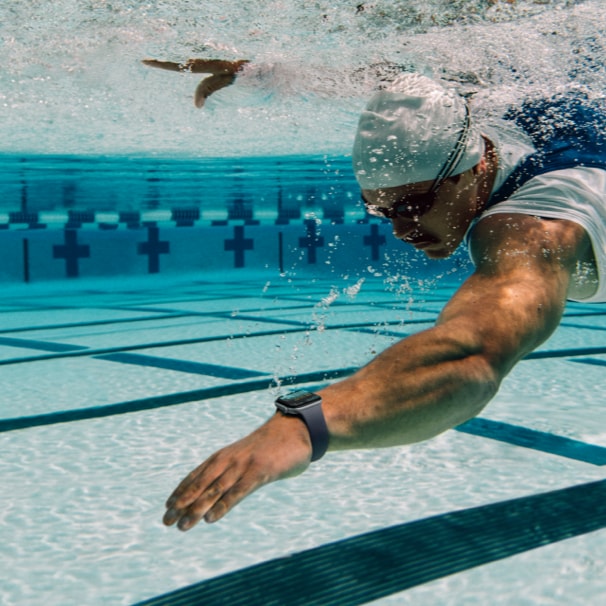
The Apple Watch Series 12 is the biggest sensor upgrade the watch has had in years, and it starts at $399.
Apple added a new Health Sensing System, a daily readiness score, a ceramic case option and a set of listening features called Audio Intelligence.
Here is every confirmed specification, what changed from the Series 11, and whether the upgrade is worth paying for.
Apple Watch Series 12 Specs and Price at a Glance
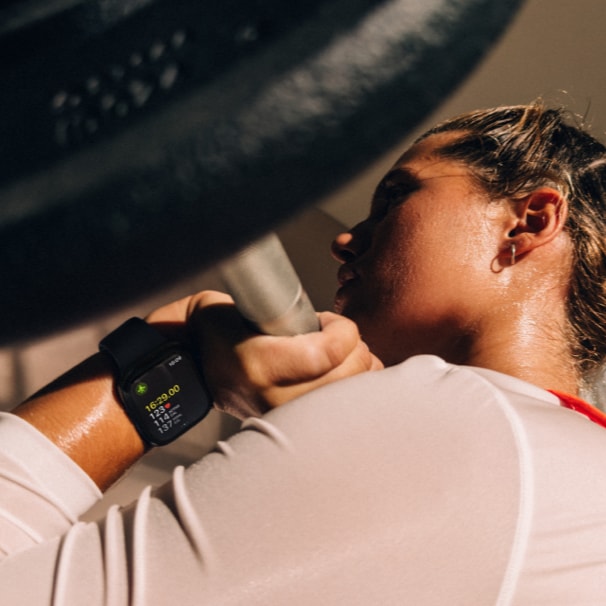
Every figure here comes from Apple’s own specification sheet rather than early hands-on coverage.
| Specification | Apple Watch Series 12 |
|---|---|
| Starting price | $399 for the GPS model |
| Financing | Lease from $11.99 a month over 24 months |
| Case sizes | 42mm and 46mm |
| Case materials | Aluminum, titanium or ceramic |
| Aluminum colors | Dark bronze, black, light gold, space gray |
| Titanium colors | Radiant gold, natural |
| Ceramic colors | Pearl white, night blue |
| Front glass | Ceramic Shield 2 on aluminum models |
| Chip | S11, 64-bit dual-core, 4-core Neural Engine |
| Display | 2,000 nits peak, 1 nit minimum |
| Storage | 64GB |
| Battery, normal use | Up to 24 hours |
| Battery, Low Power Mode | Up to 38 hours |
| Outdoor workout | Up to 10 hours |
| Fast charge | 15 minutes for up to 12 hours |
| Water resistance | 50m swimproof, ISO 22810:2010 |
| Dust resistance | IP6X |
| Cellular | RedCap for 5G and LTE on cellular models |
| Wireless | Wi-Fi 4 (802.11n), Bluetooth 5.3 |
| Software | watchOS 27, released September 14 |
| Pre-order | September 9 |
| On sale | September 18 |
Note what did not change. Display brightness, storage, water resistance, case sizes and everyday battery all carry over from the Series 11.
Health Sensing System: Heart Rate Every Five Seconds
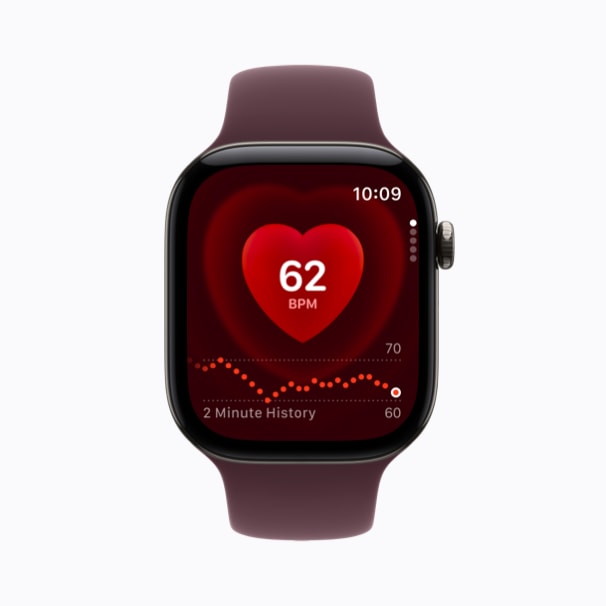
The Health Sensing System is the reason to care about this generation. Apple claims the most accurate heart rate sensing in a wearable.
The change is sampling rate. Background heart rate is now measured every five seconds throughout the day, including while you are moving.
Previous models sampled periodically. Continuous measurement is what makes all-day vitals tracking possible rather than a nightly snapshot.
Heart rate variability gets the larger jump. Apple says HRV is now measured up to 24 times more often than on the previous model.
- Third-generation electrical heart sensor for the ECG app
- Always-on optical heart sensor driving the five-second sampling
- Blood oxygen sensor and a temperature sensor
- Two HRV variants: one tuned for recovery, one for overall trend
- Redesigned pedometer using machine learning for step counting
Existing safety features carry over. The ECG app, sleep apnea notifications, Fall Detection and Emergency SOS all remain.
Apple also reworked the iPhone Health app alongside the watch, adding a Longevity tab with a Health Age figure and an Insights tab.
A Quest Diagnostics lab integration is arriving later, priced at $119 for more than 50 biomarkers at roughly 2,000 US locations.
That integration starts in US English, according to Apple’s health and fitness update, so international rollout will lag.
Readiness Score and What It Tells You Each Morning
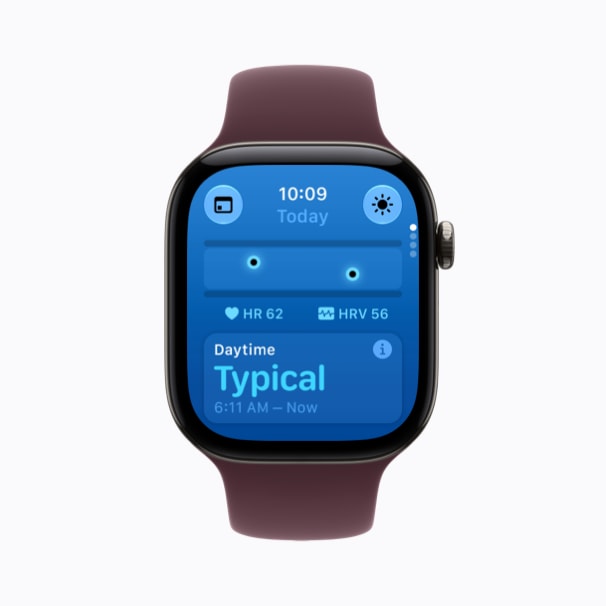
Readiness is the headline software feature built on the new sensor data. It condenses several inputs into one number.
The score runs from 0 to 10 and appears once a day. It draws on recent activity, training load, vitals and your sleep score.
Each score comes with one of four plain recommendations rather than a raw figure you have to interpret yourself.
- Recover: your body is still paying off recent load
- Pace Yourself: train, but hold something back
- Ready: a normal day is well within reach
- Go For It: the green light for a hard session
Vitals are now tracked during the day as well as overnight, and both are compared against a personal baseline rather than population averages.
This is territory Oura, Whoop and Garmin have occupied for years. Apple is arriving late but with tighter iPhone integration.
Audio Intelligence: Four Features, Two Shipping Later
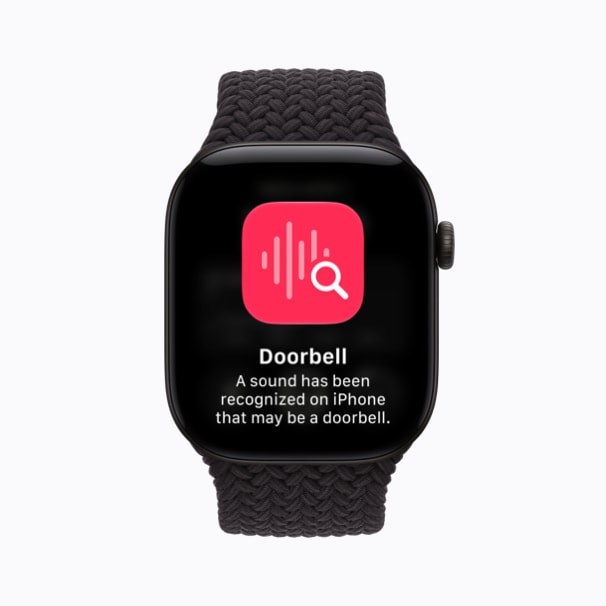
Audio Intelligence is a marketing umbrella covering four separate features. Two are available now and two arrive later.
Sound Recognition listens for sirens, alarms, doorbells and a baby crying, then taps your wrist. It is built for people with hearing difficulties.
Shazam music identification runs directly on the watch, so you no longer need to reach for your phone to name a track.
Live Rewind shows the last 15 seconds of a conversation as text when you double-press the Digital Crown. Siri can then query it.
Siri Recap listens in the background and writes high-level notes, generating a title and key points inside the new Siri app.
Live Rewind and Siri Recap both arrive in beta in late 2026. A watch bought in September will not have them.
Apple processes the audio inside a dedicated hardware compartment called Secure Exclave. No audio recordings are created or stored.
Apple states the raw audio is inaccessible to the operating system, to apps, to the user and to Apple itself. Summaries are end-to-end encrypted.
Whether an always-listening wrist device suits you is a personal judgment, and the architecture does not remove that question.
Cases, Colors and the Return of Ceramic
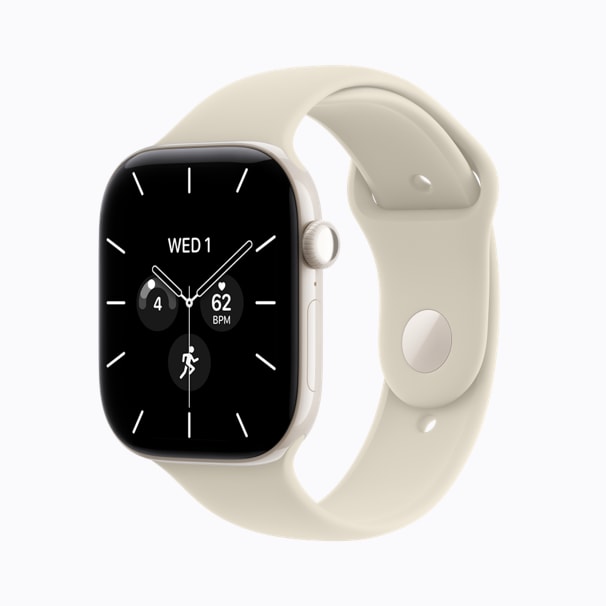
Case sizes stay at 42mm and 46mm. What changed is the range of materials sitting above the standard aluminum finish.
Aluminum comes in dark bronze, black, light gold and space gray. Titanium is offered in radiant gold and natural.
Ceramic is the notable return, in pearl white and night blue. Reporting places it as the first ceramic Apple Watch since the Series 5.
Aluminum models get Ceramic Shield 2 on the front, which Apple rates as 60 percent tougher than the Ion-X glass it replaces.
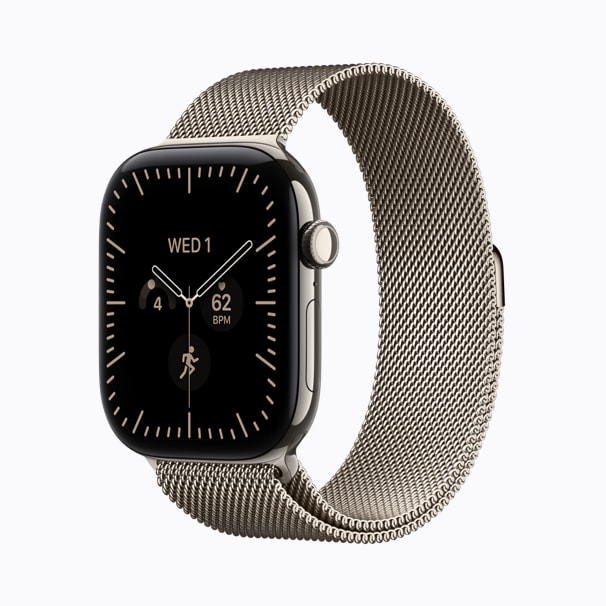
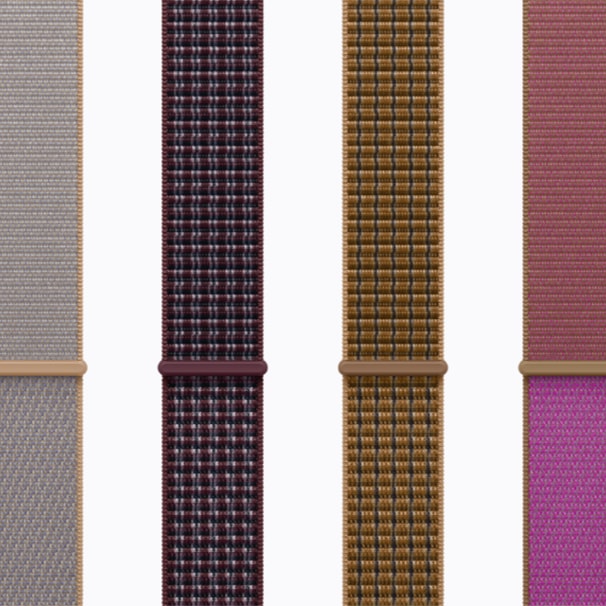
Band options expand too, spanning sport bands, sport loops, braided solo loops, the Milanese loop and a Modern Buckle.
The Hermes collection continues separately, including a Rocabar Club band and a Clou de Selle strap in noir.
Recycled content reaches 40 percent overall, with fully recycled aluminum and titanium cases and renewable energy used in manufacturing.
Battery Life and Charging Speed
Everyday runtime is unchanged at up to 24 hours, with up to 38 hours in Low Power Mode. That is the one disappointment here.
Workout tracking improved. Outdoor workouts now run up to 10 hours, which Apple calls 25 percent more than the previous model.
Charging is where the real gain sits. Fifteen minutes on the charger returns up to 12 hours, rated 50 percent better than before.
That reframes how you live with the watch. A short top-up while showering can cover a full night of sleep tracking.
If you care about long-term cell health, the same habits that govern iPhone battery cycle counts apply to the watch.
Series 12 vs Series 11: What Actually Changed
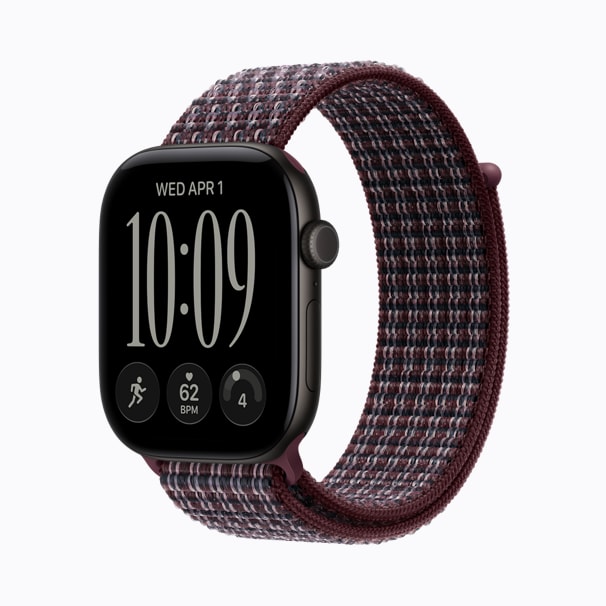
This is an internals upgrade, not a redesign. Side by side, the two watches are difficult to tell apart.
| Area | Series 11 | Series 12 |
|---|---|---|
| Heart rate sampling | Periodic | Every five seconds, all day |
| HRV frequency | Baseline | Up to 24 times more often |
| Readiness score | No | Yes, 0 to 10 daily |
| Daytime vitals | No | Yes |
| Audio Intelligence | No | Yes |
| Ceramic case option | No | Yes |
| Front glass on aluminum | Ion-X | Ceramic Shield 2 |
| Outdoor workout battery | 8 hours | 10 hours |
| Fast charge | 15 min for 8 hours | 15 min for 12 hours |
| Everyday battery | 24 hours | 24 hours |
| Display brightness | 2,000 nits | 2,000 nits |
| Storage | 64GB | 64GB |
Series 11 owners have a weak case for upgrading unless readiness scoring or continuous heart rate genuinely matters to them.
Anyone on a Series 9 or older is looking at a much larger jump, since several of these sensors did not exist then.
Who Should Buy the Apple Watch Series 12
At $399 this remains the default Apple Watch for most people. The question is timing rather than quality.
- Strong case: you are coming from a Series 9 or older and want the sensor jump
- Strong case: you want recovery data without paying a subscription to a rival platform
- Strong case: you want the ceramic or titanium finish
- Weak case: you own a Series 11 and are happy with it
- Weak case: you need multi-day battery, which still means the Ultra
Buyers who mainly want the two flagship Siri features should note the late-2026 beta timing before ordering on launch day.
Full technical details are published on Apple’s Series 12 spec sheet and in the launch announcement.
The same event also brought Apple’s first folding phone, covered in our iPhone Duo guide.
Frequently Asked Questions
How much does the Apple Watch Series 12 cost?
It starts at $399 for the GPS model. Apple also offers a lease starting at $11.99 a month over a 24-month term.
Is the Apple Watch Series 12 waterproof?
It is rated 50m swimproof under ISO 22810:2010 with IP6X dust resistance. It is not certified for scuba diving.
Does the Series 12 have satellite messaging?
No. Satellite Emergency SOS, Messages and Find My are limited to the Apple Watch Ultra 4 in the current lineup.
How long does the Series 12 battery last?
Up to 24 hours of normal use, or 38 hours in Low Power Mode. Outdoor workout tracking runs up to 10 hours.
Is it worth upgrading from the Series 11?
Only if continuous heart rate sensing or the readiness score matters to you. Screen, battery, storage and case sizes are unchanged.
Related Articles

Get the TrustPost briefing
The stories that matter, in your inbox. No spam, unsubscribe anytime.
Newsletter signup will be available soon.
Related stories

Linktree Alternatives: What 6 Tools Cost Over Three Years
Monthly pricing hides the real number. Six Linktree alternatives compared on three-year cost, with every rate read from the vendor’s own pricing page.

Best Graphic Design Software: Free and Paid Tools Compared
Compare the best graphic design software of 2026, from free tools like Affinity and GIMP to paid apps such as Photoshop, with current US prices.

Best Digital Signage Software: 8 Platforms Compared on Price and Features
Compare the best digital signage software in 2026. Verified per-screen pricing for Yodeck, OptiSigns, ScreenCloud, Rise Vision, Xibo and more.