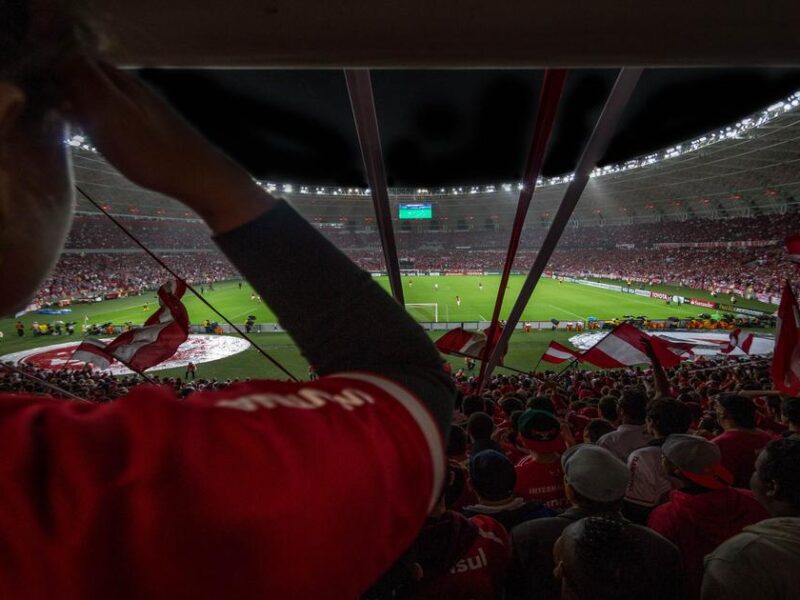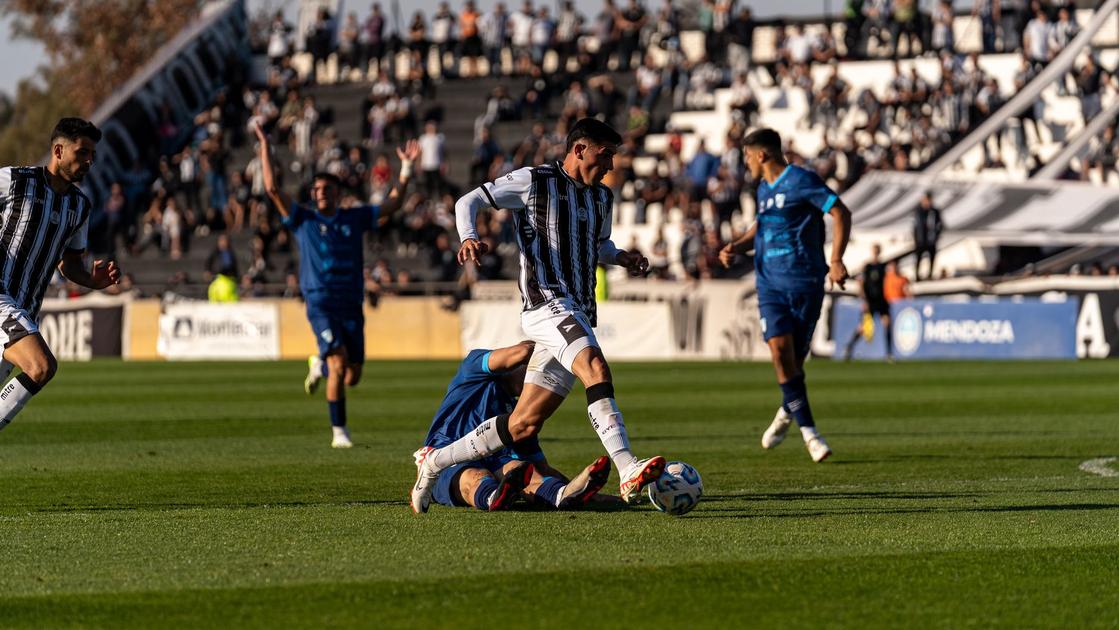
Argentina, the defending FIFA World Cup champions who claimed the title in Qatar 2022 under the inspiration of Lionel Messi’s extraordinary performance in what proved to be the greatest World Cup individual achievement in the tournament’s modern era, began their title defense at the 2026 World Cup with their Group J opener against Algeria on June 16 – the match that would announce whether the Albiceleste could realistically pursue the historic back-to-back world championship that only Brazil has previously achieved in the tournament’s 96-year history. Algeria, who qualified for the 2026 World Cup through the Africa qualification process and who fielded their strongest team since the generation that included Riyad Mahrez before his retirement from international duty, represented a competitive but manageable opener for Argentina rather than an existential test of the defending champions’ quality. The group also contains Austria and Jordan, with Argentina expected to advance comfortably from the group stage if they perform at the level their squad depth and tactical organization suggest they are capable of.
Lionel Messi, who turned 39 in June 2026 and is playing his final World Cup at an age where the physical demands of tournament football at the highest intensity require careful management by the Argentina coaching staff, approached the 2026 World Cup having announced publicly that this tournament would be his last appearance in the competition. That narrative – a football legend ending his World Cup career with a potential back-to-back title defense – has given Messi’s every touch and movement at the 2026 tournament an emotional resonance that the global football media has covered as one of the defining storylines of the competition. Argentina’s coach Lionel Scaloni, who has built the world-beating team around Messi while also creating genuine collective quality that does not require Messi to be at his absolute best in every match for Argentina to win, has approached the tournament with the tactical conviction and squad management discipline that delivered the 2022 triumph. The Argentina squad’s combination of experience from the 2022 winning group – including goalkeeper Emiliano Martinez, defender Cristian Romero, and midfielder Rodrigo De Paul – with younger players who have emerged as major European football forces in the intervening four years gives the Albiceleste both the quality and the depth to compete for the title. The competitive quality of the 2026 World Cup’s 48-team format, which has expanded to include more participants from Africa and Asia while maintaining the European and South American powerhouses, makes the knockout rounds a formidable challenge for any defending champion.

Trust Post Desk
A journalist and editor at TrustPost.org covering world and national news, technology updates and human-interest stories. They check every fact, interview sources in person or online, and aim to deliver clear, accurate reporting. Their work ranges from breaking news to in-depth features and daily newsletters. Outside the newsroom, they follow emerging trends and engage with readers on social media.